Affordable Organic Food: Budget Tips for Eating Healthy Now
- Understanding Where Your Money Goes: The Organic Premium Explained
- Strategy 1: Mastering the Dirty Dozen and Clean Fifteen
- The Dirty Dozen: Prioritize Organically
- The Clean Fifteen: Save Money with Conventional
- Strategy 2: Rethinking Organic Meat and Dairy
- Focus on the “100% Grass-Fed” and Pasture-Raised Labels
- Extreme Savings: Buying in Bulk and Freezing
- Strategy 3: Strategic Sourcing and Shopping Habits
- Utilize Farmers’ Markets (At Closing Time)
- Embrace Frozen and Canned Organic Options
- Grow What You Can
- Strategy 4: Mastering Store Loyalty and Unit Pricing
- Become a Unit Price Expert
- Use Loyalty Programs and Digital Coupons
- Conclusion: Conscious Consumption Over Complete Conversion
How I Afford Organic Food on a Regular Budget
The allure of organic food is strong. We hear about fewer pesticides, richer nutrients, and better flavor. Yet, the first thing that stops most people in their tracks is the price tag. Organic produce often costs significantly more than its conventional counterparts, leading many to believe that eating clean and eating affordably are mutually exclusive goals.
I used to be one of those people. I imagined a pantry stocked solely with organic goods required winning the lottery. However, after years of disciplined shopping, strategic planning, and a few hard-learned lessons, I’ve cracked the code. Eating organic doesn’t have to empty your wallet; it simply requires a smarter approach to grocery shopping.
This isn’t about cutting corners on quality; it’s about maximizing your budget so you can prioritize purchasing organic where it matters most without breaking the bank on items where the benefit is less pronounced.
Understanding Where Your Money Goes: The Organic Premium Explained
Before implementing savings strategies, it’s crucial to understand why organic food costs more. The price difference isn’t just marketing; it reflects real differences in production costs:
- Labor Intensity: Organic farming relies less on chemicals for pest and weed control, meaning more manual labor (weeding, crop rotation) is required.
- Yield Differences: Organic farms often have slightly lower yields because they cannot use synthetic fertilizers to force massive harvests.
- Certification Costs: Farmers must pay significant fees to maintain their USDA Organic certification, which is passed on to the consumer.
By understanding these factors, we can better target our spending. We don’t need everything to be organic; we need the right things to be organic.
Strategy 1: Mastering the Dirty Dozen and Clean Fifteen
The single most impactful step you can take is to strategically prioritize what you buy organic. The Environmental Working Group (EWG) publishes its annual “Dirty Dozen” and “Clean Fifteen” lists, which serve as invaluable guides for budget-conscious organic shoppers.
The Dirty Dozen: Prioritize Organically
These conventionally grown fruits and vegetables consistently test highest for pesticide residues. If you are going to spend extra money on organic certification, spend it here:
- Strawberries
- Spinach
- Kale, Collard & Mustard Greens
- Peaches
- Pears
- Nectarines
- Apples
- Grapes
- Bell & Hot Peppers
- Cherries
- Blueberries
- Tomatoes
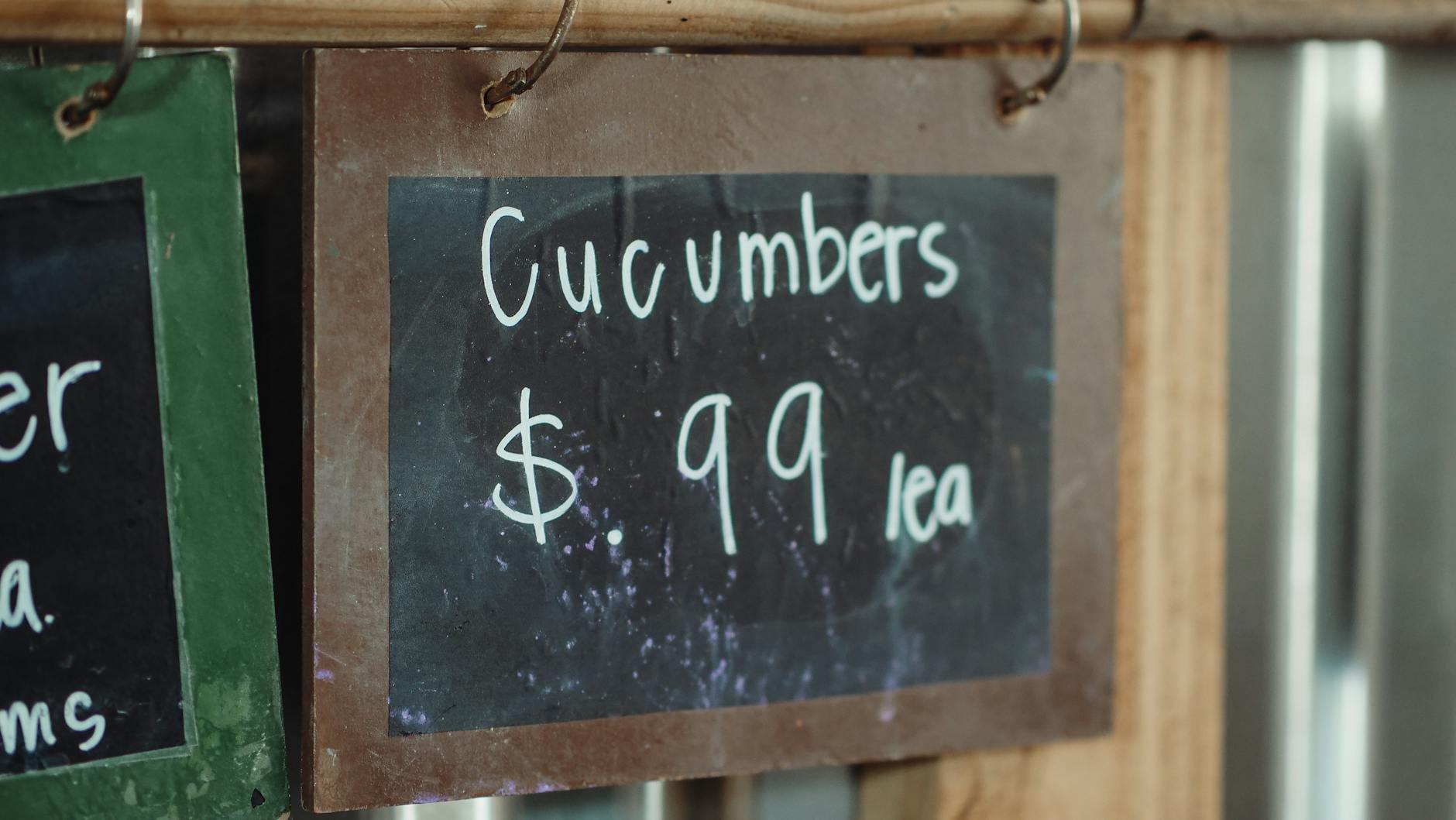
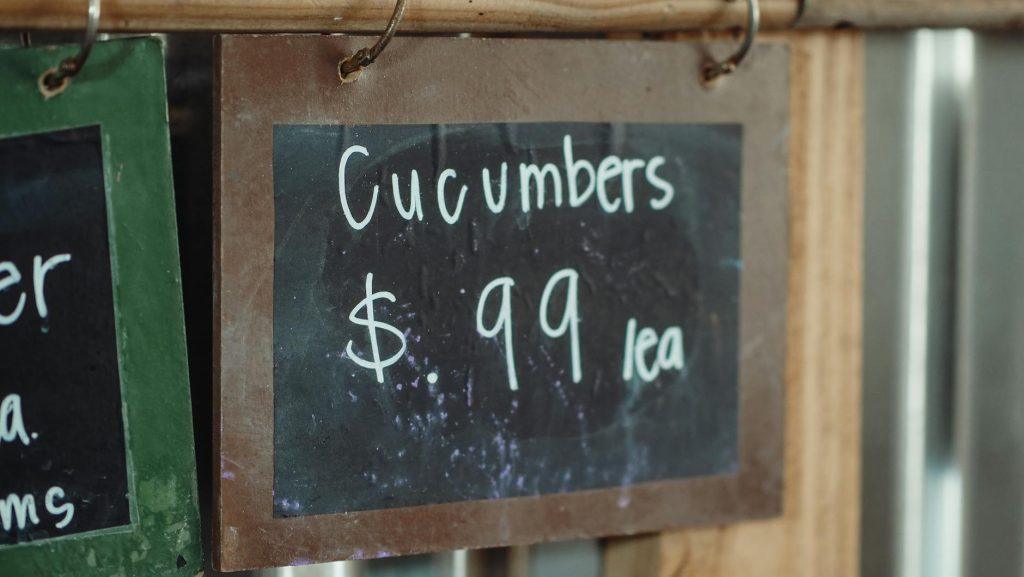
Budget Action: Commit to buying these items only when they are certified organic. If organic strawberries are $5.99 and conventional are $2.99, the $3 savings is worth sacrificing a non-essential organic purchase elsewhere (e.g., an organic cucumber).
The Clean Fifteen: Save Money with Conventional
Conversely, these items consistently test lowest for pesticide residues. Buying these conventionally grown allows you to save significant money that can be redirected toward the “Dirty Dozen.”
- Avocados
- Sweet Corn (often GMO, but low pesticide residue)
- Pineapple
- Onions
- Papaya
- Sweet Peas (frozen)
- Eggplant
- Asparagus
- Broccoli
- Cabbage
- Kiwi
- Cauliflower
- Mushrooms
- Honeydew Melon
- Cantaloupe
Budget Action: Feel confident buying these conventional items to balance your overall budget, knowing that the environmental or dietary risk is statistically lower.
Strategy 2: Rethinking Organic Meat and Dairy
The cost differential for animal products is often the most staggering part of an organic grocery bill. Organic meat and dairy require that animals are fed organic feed and given more space and access to the outdoors.
Focus on the “100% Grass-Fed” and Pasture-Raised Labels
While “Organic” meat is a great baseline, if you are seeking maximum nutritional benefit (especially regarding Omega-3 profiles in beef and dairy), look for modifiers beyond just the organic seal:
- Grass-Fed: This means the animal’s diet was primarily grass, which changes the fatty acid profile of the meat favorably.
- Pasture-Raised: This indicates the animals spent significant time outdoors, which is healthier for the animal and often correlates with better nutrition.
Extreme Savings: Buying in Bulk and Freezing
Meat is one area where bulk buying pays massive dividends.
- Split a Cow/Pig: Connect with a local farmer who raises organic or truly pasture-raised animals. Buying a quarter, half, or whole share often reduces the per-pound cost by 30-50% compared to supermarket pricing. You coordinate the butchering and freeze the cuts at home.
- Organic Chicken Quarters: If bulk meat is too large of a commitment, always prioritize buying organic chicken when it’s on sale—the price difference is generally smaller than beef or pork, and it freezes well. Skip organic chicken breasts if an organic whole chicken is heavily discounted.
Strategy 3: Strategic Sourcing and Shopping Habits
Where and when you shop has as much to do with your final bill as what you choose to buy.
Utilize Farmers’ Markets (At Closing Time)
Farmers’ markets offer the freshest produce, often purchased immediately from the grower. While early bird prices might be high, visiting just before closing time can be a goldmine:
- Farmers often prefer not to pack excess produce back onto the truck. They may offer significant discounts on remaining inventory.
- This is an excellent place to inquire directly about their growing practices before committing to the organic label.
Embrace Frozen and Canned Organic Options
The myth that frozen or canned produce is inherently inferior often leads people to pay a premium for fresh items that might be traveled long distances.
- Frozen Berries and Spinach: These are picked at peak ripeness and flash-frozen, locking in nutrients. They are almost always significantly cheaper than fresh organic versions, which you can use for smoothies, baking, or cooking.
- Canned Beans and Tomatoes: Organic dried beans are affordable, but if you need speed, look for organic canned versions of staples like diced tomatoes or chickpeas. The price difference between conventional and organic canned goods is often marginal.
Grow What You Can
Even a small herb garden on a windowsill can dramatically cut organic spending on high-cost items.
- High-Value Herbs: Basil, mint, chives, and parsley are notoriously expensive when bought in small organic bunches in the grocery store. A single organic plant yields months of fresh supply for the price of one initial purchase.
- Simple Vegetables: Growing tomatoes or peppers (even just one plant each) can cover your “Dirty Dozen” needs for several weeks during peak season.
Strategy 4: Mastering Store Loyalty and Unit Pricing
Even within conventional supermarkets, specific habits can reduce the organic markup.
Become a Unit Price Expert
Always look at the small print on the shelf tag that shows the price per ounce or per pound. This is the only true way to compare value across different sizes and brands.
- Compare Organic vs. Conventional: Does the organic almond milk cost 150% more than the conventional? If so, perhaps that’s where you switch back to conventional for a month.
- Compare Sizes: Is the 16 oz organic bag of carrots cheaper per ounce than the 32 oz bag? Often, the larger organic package offers better unit economics.
Use Loyalty Programs and Digital Coupons
Major grocery chains heavily incentivize the use of their apps.
- Digital Coupons: Before shopping, check the app for coupons on organic brands you frequently buy (e.g., $1 off organic yogurt, 10% off produce). This often instantly erases the typical organic premium.
- Preferred Customer Sales: Organic products often feature heavily in “Buy One, Get One Free” (BOGO) sales for loyalty members. If you can stock up twice as much organic olive oil for the price of one bottle, do it.
Conclusion: Conscious Consumption Over Complete Conversion
Affording organic food is less about finding a single secret deal and more about adopting a philosophy of conscious consumption. It means accepting that you cannot have every single item certified organic without a massive budget increase.
By adopting the Dirty Dozen/Clean Fifteen strategy, prioritizing bulk purchasing for animal products, and being savvy about when and where you shop, you can shift your budget to prioritize truly high-impact organic purchases. This approach allows you to eat exceptionally well, knowing that the money you do spend on clean food is targeted where it provides the most benefit. Organic eating on a regular budget is achievable—it just requires planning, prioritizing, and patience.