Best Gym Equipment: What to Buy vs. What to Skip
- The Non-Negotiable Foundations: Gear That Delivers Maximum Return
- 1. Adjustable Dumbbells and Kettlebells
- Why They Are Worth the Investment:
- 2. A High-Quality Squat Rack or Power Cage
- Essential Features to Look For:
- 3. Barbell and Weight Plates
- 4. A Sturdy Flat or Adjustable Bench
- Cardiovascular Training: Choosing Efficient Machines
- Worth the Splurge: The Row Machine (Rower)
- Benefits of Rowing:
- When Ellipticals and Treadmills Are Justified
- The “Maybe” Pile: Good Equipment, Niche Applications
- Resistance Bands (Loop and Tube Style)
- Suspension Trainers (e.g., TRX)
- Cardio Alternatives: Jump Ropes
- Equipment to Avoid: The Money Pit Category
- 1. Exotic Abdominal Machines
- 2. Single-Use “Gadgets”
- 3. Cheap, Low-Quality Cardio Machines
- 4. Extremely Large, Fixed-Path Machines
- Conclusion: Prioritize Compound Movement, Minimize Clutter
The Gym Equipment Worth Buying vs. Wasting Money On: A Home Fitness Investment Guide
The dream of a home gym is appealing: skip the commute, avoid the crowded locker rooms, and work out on your own schedule. However, transforming that dream into reality often requires navigating a minefield of fitness equipment. For every game-changing piece that enhances your routine, there seems to be a bulky, single-use gadget gathering dust in the corner.
Before you drop your hard-earned cash on that “revolutionary” abdominal trainer, take a moment to assess what truly offers long-term value, versatility, and effectiveness. This guide breaks down the gym equipment worth the investment and the common pitfalls to avoid.
The Non-Negotiable Foundations: Gear That Delivers Maximum Return
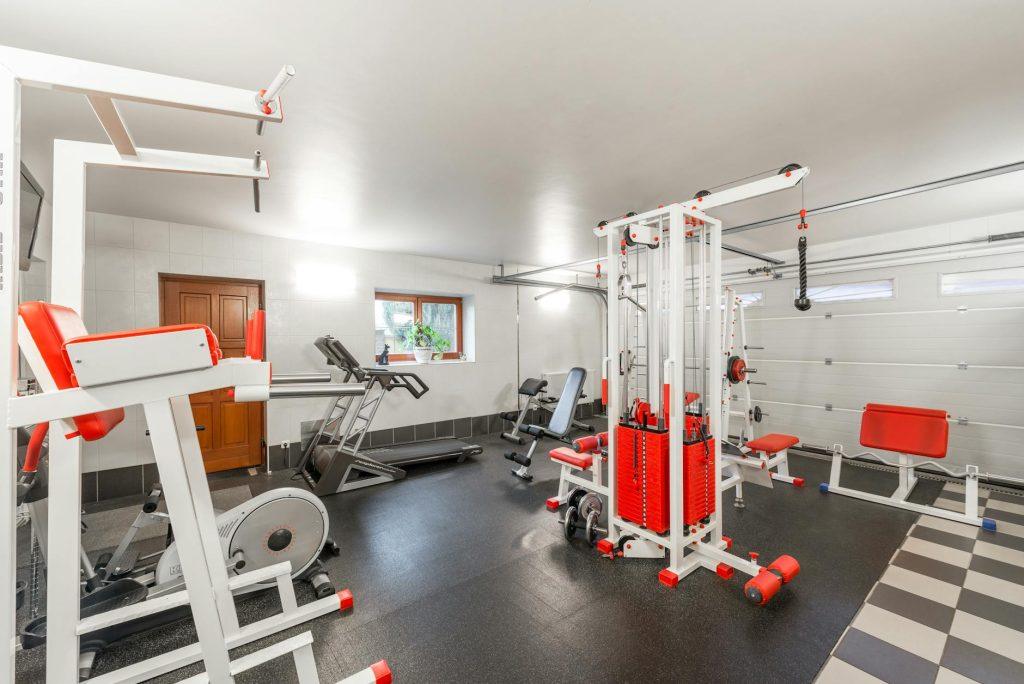
When starting or upgrading a home gym, focus on the core pieces that allow for compound, transferable movements. These items offer the highest versatility for the cost.
1. Adjustable Dumbbells and Kettlebells
If you can only buy two things, make them high-quality adjustable dumbbells or a selection of kettlebells. They cover an enormous spectrum of exercises, from isolation work (curls, lateral raises) to major compound movements (goblet squats, bent-over rows, presses).
Why They Are Worth the Investment:
- Versatility: A single pair of adjustable dumbbells can replace an entire rack of fixed weights, saving vast amounts of space and money.
- Scalability: As you get stronger, you simply add more weight instantly.
- Functional Training: Kettlebells, specifically, excel at ballistic movements (swings, snatches) that build explosive power and core strength simultaneously.
| Equipment Type | Best For | Budget Consideration |
|---|---|---|
| Adjustable Dumbbells | Full range of strength training, bodybuilding | High initial cost, but significant long-term savings. |
| Kettlebells | Power, endurance, fat loss (metabolic conditioning) | Requires investing in more than one weight over time. |
2. A High-Quality Squat Rack or Power Cage
For anyone serious about building significant strength, a well-built half-rack or full power cage is the centerpiece of the gym. This structure provides the safety and stability necessary to push your limits on major lifts like the squat, bench press, and overhead press.
Essential Features to Look For:
- Safety Spotter Arms/Pins: These are non-negotiable for solo lifting. They catch the bar if you fail a repetition.
- Rack Pull Hole Spacing: Adequate holes allow for precise positioning of j-hooks and spotters.
- Pull-Up Bar: Most quality racks integrate a multi-grip pull-up bar, adding significant bodyweight training options.
The Cost Caveat: Do not skimp on the rack. A flimsy rack can wobble or fail under heavy loads, leading to injury. Buy quality once.
3. Barbell and Weight Plates
If you have a rack, you need a barbell and a substantial set of Olympic plates (2-inch sleeves).
- The Barbell: Look for a bar with good knurling (grip texture) and a high tensile strength rating (PSI). A 20kg/45lb Olympic bar is the standard.
- Weight Plates: Bumper plates (rubber coated) are ideal if you plan on dropping the weights or if you have subflooring, as they absorb impact better than iron plates. Iron plates are cheaper but much louder and harder on floors.
4. A Sturdy Flat or Adjustable Bench
A bench is necessary for pressing movements (bench press, dumbbell press) and many utilization exercises (rows, step-ups).
- Adjustable vs. Flat: While a flat bench is cheaper, an adjustable bench (that goes from incline to decline) dramatically increases exercise variety, making it a superior long-term investment. Ensure the bench is rated to handle significantly more weight than you plan to lift.
Cardiovascular Training: Choosing Efficient Machines
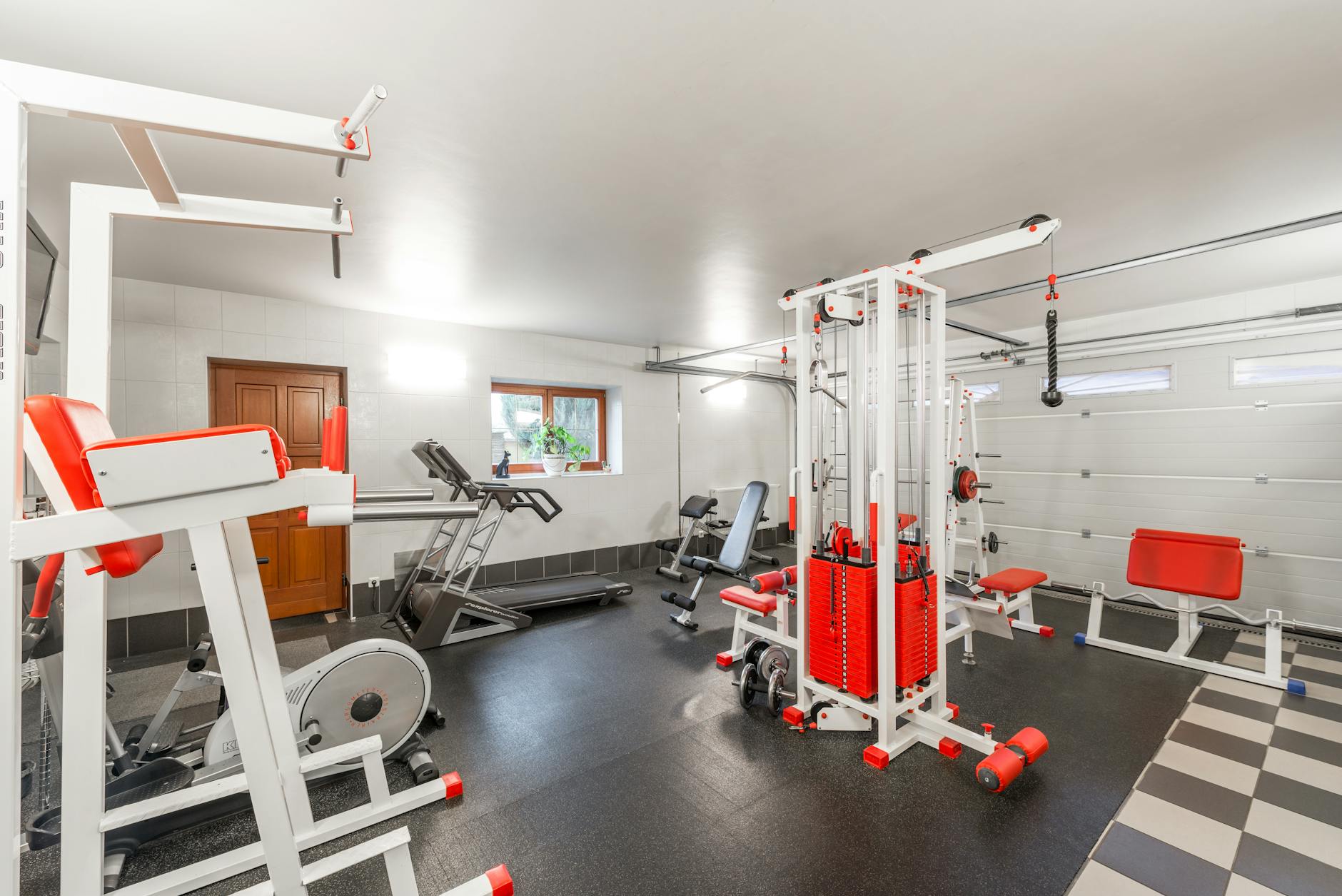
Cardio equipment is often where home gym budgets spiral out of control. Treadmills and ellipticals eat up space and offer diminishing returns compared to versatile strength tools. Focus on options that provide high efficiency and minimal joint impact.
Worth the Splurge: The Row Machine (Rower)
The rowing machine is arguably the single best piece of cardio equipment you can buy for a home gym.
Benefits of Rowing:
- Full Body Workout: Rowing engages approximately 86% of your musculature, including legs, core, back, and arms, making it fantastic for conditioning.
- Low Impact: It’s extremely gentle on the knees and ankles compared to running.
- Space Efficiency: Higher-end models (like Concept2) often fold up vertically for easy storage against a wall.
When Ellipticals and Treadmills Are Justified
These machines are appropriate if and only if:
- You are a dedicated runner who needs to train irrespective of weather.
- You require a very specific, low-intensity recovery gait that running/rowing cannot provide.
Warning: Entry-level treadmills are notorious for failing quickly. If you buy one, invest in a commercial-grade model, which can be prohibitively expensive for a home user.
The “Maybe” Pile: Good Equipment, Niche Applications
These items can be fantastic additions once the foundations are set, but they are often non-essential for initial fitness gains.
Resistance Bands (Loop and Tube Style)
Bands are the ultimate budget-friendly and space-saving tool. They are excellent for warm-ups, mobility work, adding accommodating resistance to lifts (like pull-ups or squats), and providing continuous tension during isolation movements.
- Investment Level: Low.
- Verdict: Always worth buying, regardless of your gym setup.
Suspension Trainers (e.g., TRX)
Suspension trainers anchor to a door, beam, or rack and use bodyweight leverage to create scalable resistance through hundreds of exercises. They are phenomenal for core stability and unilateral (single-limb) training.
- Consideration: You must have a secure anchor point for effective use.
Cardio Alternatives: Jump Ropes
A high-quality speed rope is cheap, portable, and delivers intense cardiovascular benefits comparable to a much larger machine. If space and budget are tight, skip the large cardio equipment and invest $30-$50 in a good speed rope.
Equipment to Avoid: The Money Pit Category
This equipment often appears exciting in advertisements but fails the test of usability, versatility, or effectiveness over time.
1. Exotic Abdominal Machines
The “Ab Roller 3000,” the leaning bicycle crunch machine, or any device promising to spot-reduce fat or build six-pack abs in ten minutes a day falls here.
Why they fail: Core strength is best built through compound movements (squats, deadlifts, carries) and foundational exercises like planks and hanging leg raises. These single-purpose gadgets use momentum or isolate muscles inefficiently.
2. Single-Use “Gadgets”
The shake weight, the digital peddler, the specialized glute kickback machine—if a device only does one thing that could be accomplished with a dumbbell or bodyweight, it’s a waste of space.
Example: Specialized calf-raise machines. You can achieve superior results with standing calf raises done eccentrically (slowly lowering the weight) using a stable surface and dumbbells.
3. Cheap, Low-Quality Cardio Machines
This is the most common budget trap. A $300 treadmill or elliptical will almost certainly have a weak motor, poor tracking, and plastic components that wear out rapidly after a few months of regular use. You end up paying twice: once for the cheap machine, and again when you have to replace it or buy a quality one instead.
4. Extremely Large, Fixed-Path Machines
Machines like the Leg Press or Hack Squat, while effective, are massive, expensive, and offer little versatility compared to free weights. If you have the space and budget for these, you could almost certainly build a commercial-grade functional trainer or more modular free-weight setup instead.
Conclusion: Prioritize Compound Movement, Minimize Clutter
A successful home gym isn’t defined by how much equipment you own, but by how much effective exercise you can perform there.
The primary goal should always be to invest in equipment that supports compound, multi-joint movements—those exercises that recruit the most muscle mass and provide the highest training efficiency. By focusing on versatile foundational tools like quality adjustable weights, a secure rack, and an efficient cardio option like a rower, you ensure every dollar spent maximizes your fitness potential while keeping clutter to an absolute minimum.