Clothing Budget Changes Everything: Start Yours Now
- The Pre-Budget Chaos: Why I Needed a System
- Recognizing the Spending Traps
- The Financial Impact
- Phase One: Establishing the Clothing Budget Framework
- 1. Defining “Clothing” Holistically
- 2. Setting a Realistic Monthly Allocation
- 3. Introducing the “One In, One Out” Rule (or the “Hold Period”)
- Phase Two: The Transformation of My Wardrobe and Mindset
- The Shift from Quantity to Quality
- Discovering the Power of Styling What I Already Owned
- The Financial Freedom Dividend
- Real-World Results After One Year
- Conclusion: Budgeting as an Act of Self-Care
I Started a Clothing Budget and Everything Changed: A Journey to Intentional Wardrobes
The allure of the latest trends is powerful. A vibrant notification flashes on your phone: “Flash Sale! 50% Off Everything!” Before you know it, you’ve navigated to the site, added a few impulse buys to your cart, and clicked ‘checkout.’ For years, this cycle defined my relationship with my closet. My wardrobe was full, yet I constantly felt like I had nothing to wear. My bank account, conversely, was perpetually feeling lighter.
Then came the breaking point: staring at a closet overflowing with clothes—many with tags still attached—and realizing I couldn’t recall the last time I genuinely loved every item I owned. This realization led to a drastic, yet ultimately liberating, decision: I needed a clothing budget.
What started as a restrictive measure quickly transformed into a pathway toward mindful consumption, impeccable personal style, and significant financial relief. If you’re teetering on the edge of wardrobe chaos or simply curious about how to take control of your spending, this is the story of how setting boundaries around my clothing purchases fundamentally changed my life.
The Pre-Budget Chaos: Why I Needed a System

Before imposing a budget, my spending habits were erratic, driven by emotion rather than necessity. I wasn’t tracking anything, which meant I was essentially operating blindfolded.
Recognizing the Spending Traps
I identified several key behaviors that fueled my overspending:
- The “Just in Case” Purchase: Buying items that didn’t fit my current lifestyle or existing wardrobe, anticipating a future event or mood that rarely materialized.
- Fear of Missing Out (FOMO): Feeling pressured by social media or retail marketing to acquire items immediately, believing they were limited-time essentials.
- “Retail Therapy” as a Default: Using shopping as an emotional crutch to elevate my mood or relieve stress, without addressing the underlying feelings.
- The Accumulation Trap: Buying duplicates because one version was on sale, leading to a closet full of near-identical, poorly utilized items.
The result was a collection of fast-fashion pieces that quickly degraded, a mounting credit card bill, and a nagging sense of dissatisfaction every time I opened my closet door.
The Financial Impact
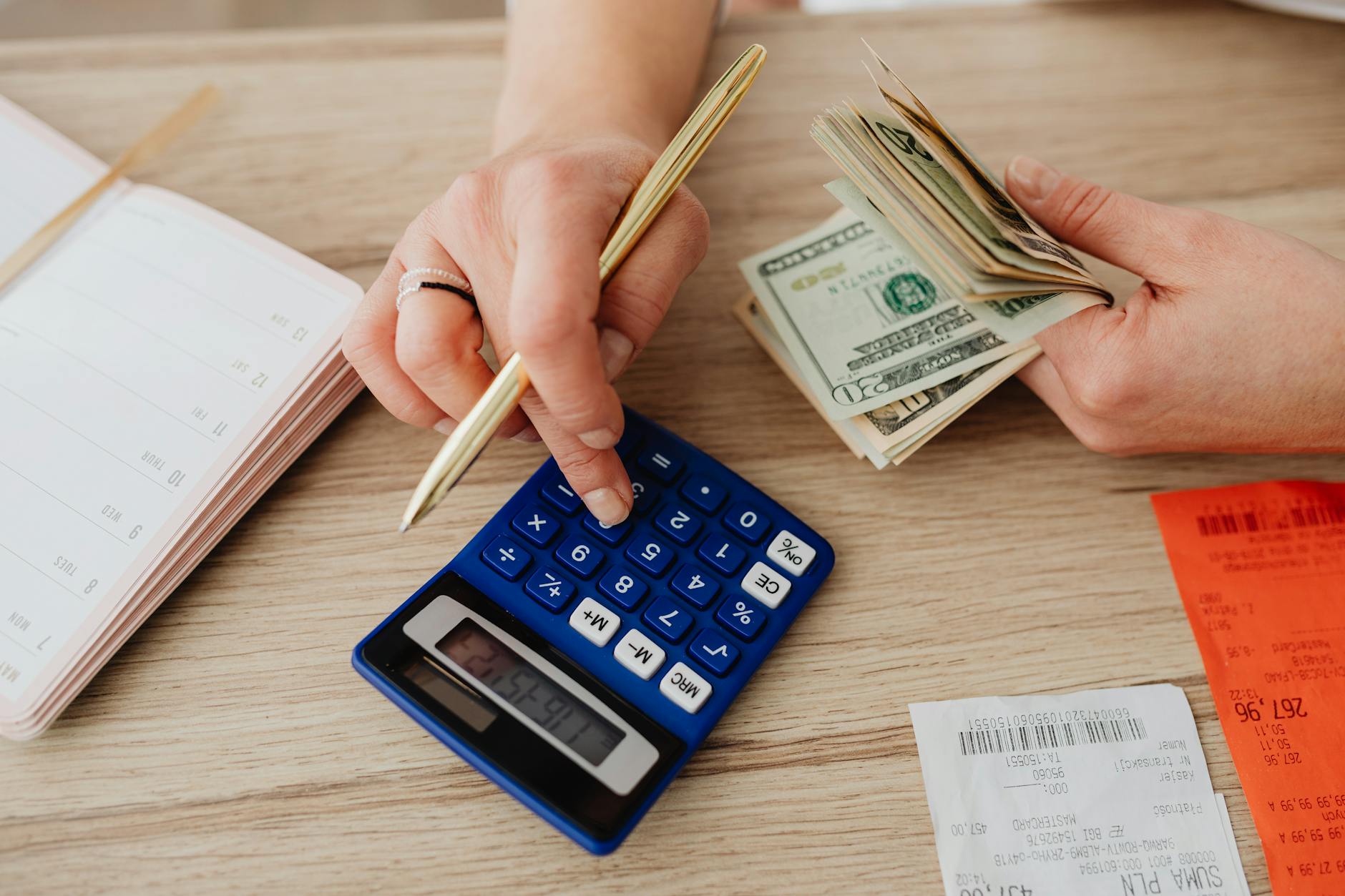
It’s easy to overlook the cumulative effect of small purchases. A $40 top here, a $60 pair of jeans there—these added up quickly. When I finally audited my bank statements for the previous six months, the total spent on non-essential clothing was startling. This financial clarity was the first major catalyst for change. I realized that the money I was pouring into temporary gratification could be funding experiences, savings, or debt repayment.
Phase One: Establishing the Clothing Budget Framework
Implementing a clothing budget wasn’t about stopping shopping entirely; it was about introducing intention. This required structure, realistic numbers, and a firm understanding of my actual needs.
1. Defining “Clothing” Holistically
The first step was defining what qualified as a “clothing purchase.” I needed a clear boundary to avoid creeping expenses.
My budget categories included:
- Core Wardrobe Replacements: Necessary items like socks, underwear, or replacing a beloved coat that finally wore out.
- Intentional Style Acquisitions: Higher-quality pieces selected specifically to fill wardrobe gaps or enhance existing outfits (e.g., a specific blazer for work).
- Seasonal Adjustments: Budgeting for necessary transitions (like buying a winter coat or summer sandals).
I explicitly excluded accessories, beauty products, and footwear from this core budget initially, deciding those needed their own separate tracking systems, which helped keep the clothing focus tight.
2. Setting a Realistic Monthly Allocation
After reviewing my past spending and cross-referencing it with my current financial goals, I set a firm monthly limit. This number was significantly lower than my old average, but it wasn’t zero. By setting a sustainable amount, I avoided the feeling of deprivation that often leads to budget failure.
We automated this. On the first of the month, the allotted amount was immediately transferred into a dedicated, separate savings account labeled “Wardrobe Fund.” If the money wasn’t in the fund, I couldn’t spend it.
3. Introducing the “One In, One Out” Rule (or the “Hold Period”)
To prevent immediate overspending within the allotted budget, I introduced a personal waiting period. If I found something I loved, I had to wait 72 hours before purchasing it. More often than not, the intense urge subsided, and the item was forgotten.
For bigger purchases, I adopted a modified “one in, one out” policy, ensuring that any new item had to truly earn its place by replacing something less worn or suitable.
Phase Two: The Transformation of My Wardrobe and Mindset
Once the financial guardrails were in place, the psychological shift began. My focus moved from acquisition to curation.
The Shift from Quantity to Quality
With a finite amount of money allocated, I couldn’t afford to buy five cheap sweaters that would pill after three washes. I was forced to scrutinize every potential purchase.
The questions I started asking before buying were transformative:
- Versatility: How many existing items in my closet can this item pair with? (Aiming for 3+ outfits.)
- Fabric & Construction: Is this built to last? Can I see myself wearing this in two years?
- Fit & Feel: Does this fit perfectly right now, without needing alteration or the hope that I’ll lose/gain weight?
- Cost Per Wear (CPW): If this $150 pair of boots lasts 150 wears, the CPW is $1. If the $50 pair rips after 10 wears, the CPW is $5. The better-made item suddenly seems like the bargain.
This forced scrutiny led me to invest in better materials like merino wool, sturdy denim, and natural fibers. My closet density decreased, but the usability skyrocketed.
Discovering the Power of Styling What I Already Owned
The most unexpected benefit was the creativity that emerged from constraint. When I limited new purchases, I started looking deeply at the clothes I already owned but had forgotten.
I began actively cataloging my existing wardrobe (mentally, and later, via a simple spreadsheet). I noticed neglected treasures and realized that often, the missing link wasn’t a new dress, but perhaps a simple belt or a different way of tucking a shirt.
I invested time, not money, in:
- Alterations: Getting hems adjusted, taking in the waist of a few dresses—simple tailoring made budget-friendly pieces look bespoke.
- Care and Repair: Learning how to properly wash delicates, de-pill sweaters, and mend small holes. This extended the life of items that would have otherwise been discarded.
- Outfit Experimentation: Dedicating an hour each week to try on random combinations, documenting the successful ones for future reference.
My effective wardrobe size didn’t shrink as much as its utility expanded.
The Financial Freedom Dividend
As the months went on, the savings accumulated quickly. The money that used to vanish into impulse buys was now contributing to tangible goals. A portion of the initial clothing budget was reallocated:
- Investment/Savings: The majority went directly into long-term savings goals.
- High-Quality Substitutions: When a true need arose for a significant item (like a winter coat), I had a healthy lump sum ready, allowing me to purchase a durable, ethically made piece I would never have justified before.
The stress associated with fashion—the pressure to keep up, the guilt after spending—vanished. Shopping became an infrequent, targeted mission rather than a constant, aimless activity.
Real-World Results After One Year
One year into maintaining a strict clothing budget (averaging $100/month, down from an estimated $400/month), the transformation was undeniable.
| Metric | Before Budget | After Budget |
|---|---|---|
| Clothes Purchased Annually | ~45 items (mostly fast fashion) | ~10 items (higher quality, intentional) |
| Closet Satisfaction | Low; constant feeling of “nothing to wear” | High; everything is functional and loved |
| Stress Level Related to Spending | High guilt and self-reproach | Low; purchasing is mindful and planned |
| Money Saved/Reallocated | $0 | Approx. $3,600 |
My style evolved to feel more authentic—less like a carbon copy of fleeting online trends and more like a curated collection that truly reflected my personal aesthetic and professional needs.
Conclusion: Budgeting as an Act of Self-Care
Starting a clothing budget was never about austerity; it was about realignment. It forced me to value my money, my time, and ultimately, my conscious choices regarding consumption. When you limit the volume of what you bring into your life, you inevitably increase the quality and significance of what remains.
If you feel overwhelmed by your closet or haunted by your shopping receipts, take the plunge. Set a small, achievable boundary. You might find, as I did, that controlling your budget doesn’t control your life—it gives you the power to direct your life toward what truly matters.