
Clothing Budget Success: How My Finances Changed Everything
- The Pre-Budget Pain Points: Why Boundaries Were Necessary
- The Illusion of “Good Deals”
- The Constant Cycle of Regret
- The Financial Drain
- Phase One: Establishing the Framework of a Clothing Budget
- 1. Determine Your Baseline Spending (The Audit)
- 2. Set a Realistic Target
- 3. Define “Clothing” Strictly
- Phase Two: The Unexpected Shifts in Behavior and Mindset
- The Power of Scarcity
- Prioritizing Quality Over Quantity
- Embracing Secondhand and Swapping
- The “Sartorial Slow Down”
- The Tangible Results: More Than Just Savings
- Financial Freedom
- A More Cohesive Wardrobe
- Increased Appreciation for My Clothes
- Redefining Style Success
- Conclusion: Budgeting Isn’t Restriction; It’s Refinement
I Started a Clothing Budget and Everything Changed: The Unexpected Freedom of Financial Focus
For years, my closet was a monument to impulse. It was stuffed with “might wear someday” dresses, half a dozen nearly identical black trousers, and more promotional t-shirts than I could count. Every trip to the mall, whether intentional or accidental, seemed to result in a new piece of textile evidence of my shopping addiction. My bank account, meanwhile, constantly whispered anxieties about dwindling savings.
The turning point wasn’t a dramatic realization or a financial emergency; it was a quiet, almost accidental commitment: I started a clothing budget. What I expected to be restrictive and tedious turned out to be the key that unlocked genuine style satisfaction, significant savings, and an unexpected wave of peace.
If you find yourself struggling with wardrobe clutter, buyer’s remorse, or simply wondering where all your money goes, embracing a clothing budget might just be the revolution your finances—and your style—need.
The Pre-Budget Pain Points: Why Boundaries Were Necessary

Before setting limits, my relationship with clothing was chaotic. It wasn’t just about the money; it was about the mental load associated with endless acquisition.
The Illusion of “Good Deals”
My primary downfall was the sale rack. I didn’t shop for what I needed; I shopped for what was discounted. A $150 sweater marked down to $45 felt like a financial victory, even if I already owned three sweaters in that exact shade of navy. This “deal hunting” led to purchases that served no real purpose in my existing wardrobe.
The Constant Cycle of Regret
How often have you worn something once, felt initially thrilled, and then watched it languish in the back of your closet? Every unworn item represented a small, tangible loss of money and a larger loss of mental clarity. My closet was full, but I felt I had nothing to wear because nothing felt intentional.
The Financial Drain
When you don’t track fashion spending, it bleeds into other budgets. That $100 here, a $75 there—it quickly becomes several hundred dollars monthly, often without providing any lasting satisfaction. My savings goals felt perpetually out of reach because of these small, continuous leaks.
Phase One: Establishing the Framework of a Clothing Budget
Starting a budget sounds intimidating, but for clothing, it’s surprisingly straightforward once you define your parameters.
1. Determine Your Baseline Spending (The Audit)
The first step is brutal honesty. I reviewed my bank and credit card statements for the last three months to see exactly how much I was actually spending on clothing, shoes, and accessories. This number was alarming, but necessary.
- Example: If the average was $350/month, I knew my new budget needed to be under that amount.
2. Set a Realistic Target
My goal wasn’t to stop buying clothes forever; I enjoy style. The goal was to shift from reactive buying to intentional investment. I set a target that felt challenging but achievable: $100 per month as a baseline, with a built-in “splurge fund” for major seasonal purchases (like winter coats or new boots).
- The Rule: $100/month goes into a dedicated savings category for day-to-day clothing upkeep (socks, basic tops). Any larger essential purchases are pulled from a separate quarterly savings pool.
3. Define “Clothing” Strictly
You must delineate what counts and what doesn’t. For me, the budget covered:
- Shirts, pants, dresses, skirts.
- New shoes (unless they were work-related necessities).
- Non-essential accessories (trendy jewelry, scarves).
It did not cover:
- Repairs or tailoring (this is a maintenance expense, separated out).
- Essential replacement items (e.g., replacing worn-out athletic sneakers).
Phase Two: The Unexpected Shifts in Behavior and Mindset
Once the line in the sand was drawn—$100 or less, period—my entire approach to fashion flipped.
The Power of Scarcity
When you suddenly have less to spend, you treat every dollar with more respect. Before the budget, if I saw something I liked, I bought it immediately. Now, I operate under a principle of “Wait 48 Hours.”
If I still want the item after two days, I check my budget. More often than not, the initial excitement vanishes, and I realize I don’t need it.
Prioritizing Quality Over Quantity
With limited funds, fast fashion became an absolute non-starter. A $25 shirt that looks great for three washes is a terrible investment when you only have $100 to allocate for the entire month.
The budget forced me to look at higher-quality, ethically made pieces that would last years, not just a season. I started searching for:
- Cost Per Wear (CPW): Is this ethically made wool sweater $250, but I will wear it 200 times over 10 years? Yes. Is the trendy polyester top $30 and I’ll wear it 5 times? No.
- Versatility: Every new purchase had to integrate seamlessly with at least three existing outfits.
Embracing Secondhand and Swapping
Necessity is the mother of invention, and when coupled with a strict budget, it drives creativity. I discovered the wealth of high-quality pieces available through consignment, vintage shops, and online resale platforms.
The budget made hunting for “the perfect silk blouse” a thrilling treasure hunt rather than a desperate spree. Finding a high-end brand for 30% of its retail price felt like a greater victory than buying something cheap off the rack.
The “Sartorial Slow Down”
Perhaps the biggest change was the mental space this occupied. I stopped doom-scrolling fashion influencer posts and checking email promotions. My mental energy was freed up to focus on styling what I already owned, rather than hunting for what I didn’t.
I started doing “closet audits” monthly, pairing unlikely items together, and discovering latent potential in my existing wardrobe.
The Tangible Results: More Than Just Savings
The transformation extended far beyond the bank statement. While the financial improvements were significant, the emotional and practical benefits were the true game-changers.
Financial Freedom
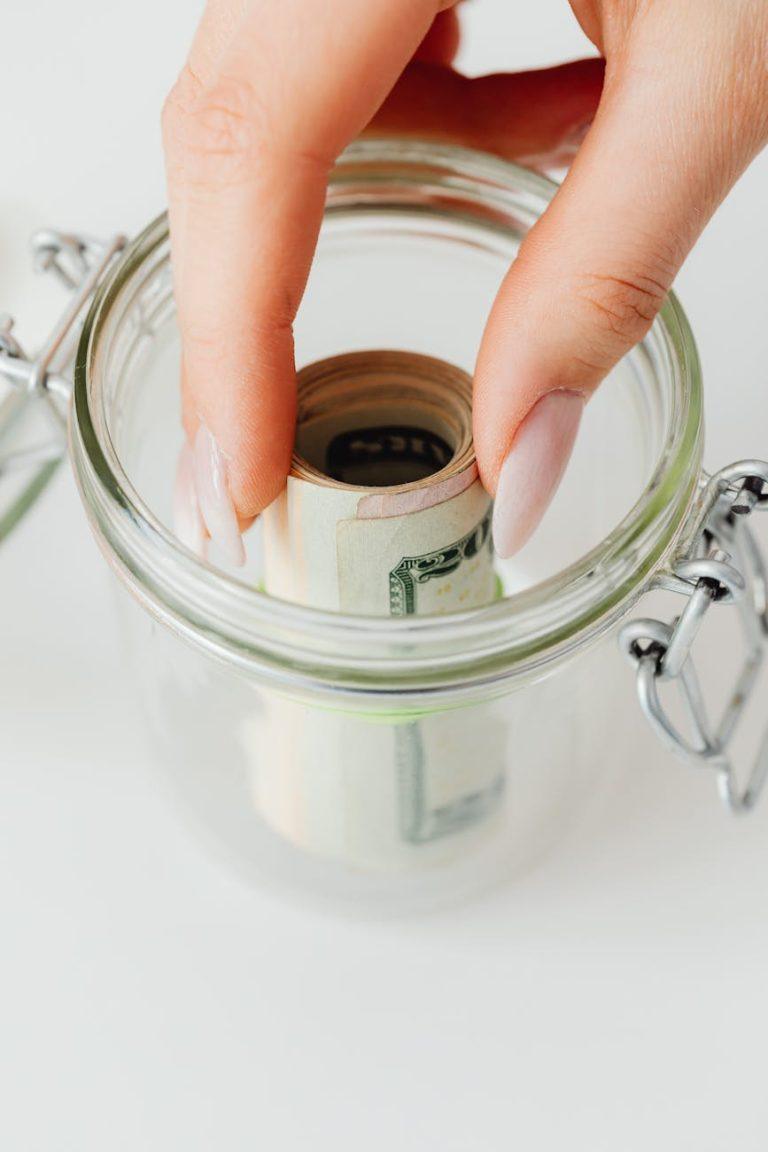
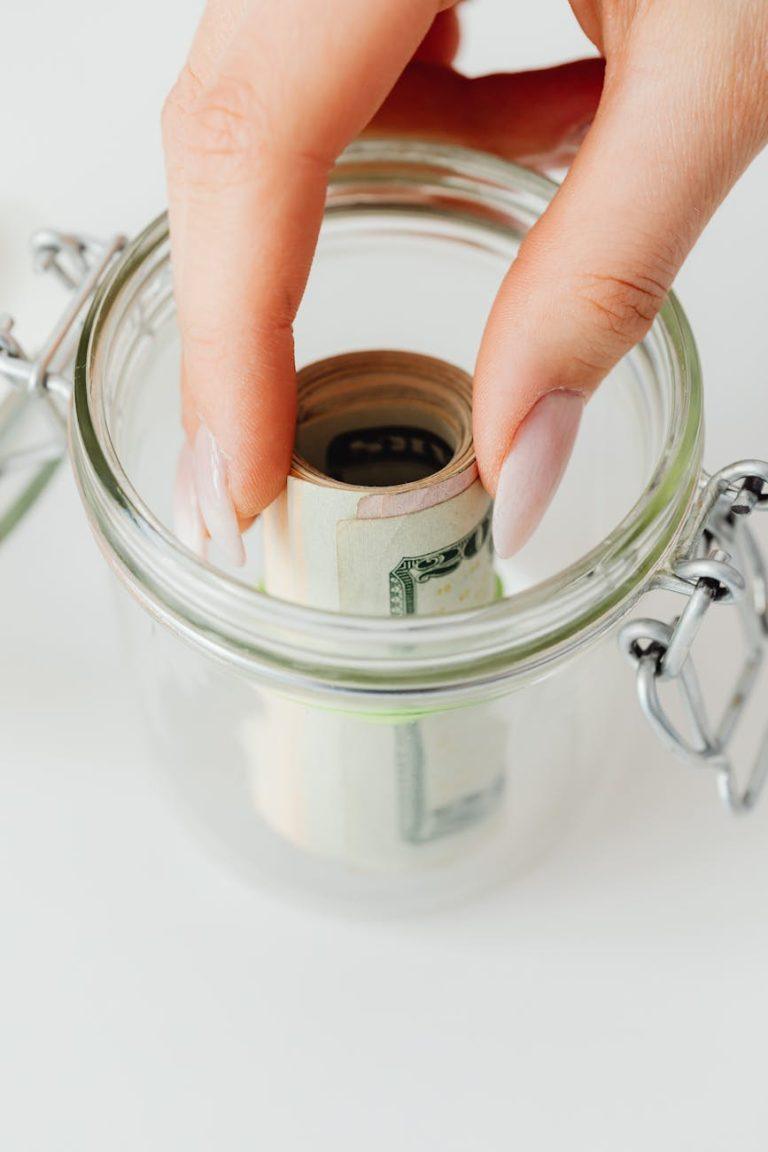
Over six months, I redirected the hundreds previously spent on impulse clothes into my emergency savings fund. This provided a sense of security that no fleeting fashion thrill ever could. The stress associated with watching my savings stagnate vanished.
A More Cohesive Wardrobe
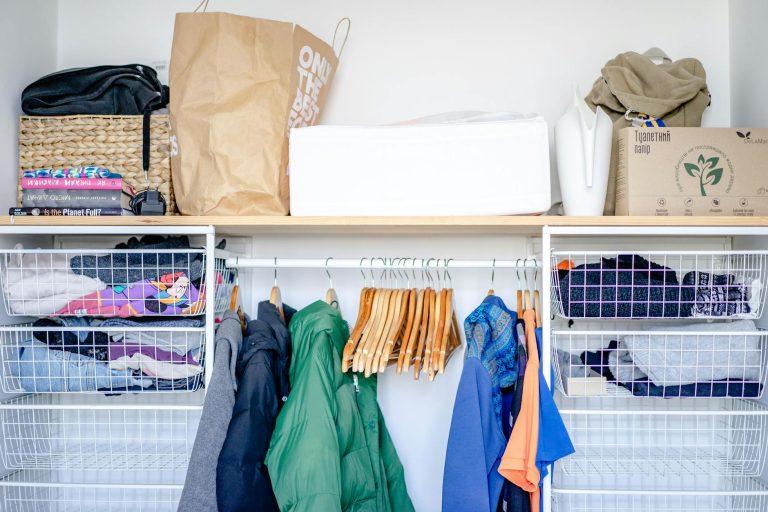
Because every new purchase required scrutiny and planning, my wardrobe became streamlined. Everything matches, everything fits well (thanks to utilizing some of the budget for timely tailoring), and getting dressed in the morning is faster and less fraught with decision fatigue. I look better because my clothes are more purposeful.
Increased Appreciation for My Clothes
When you have to wait, plan, and save for a specific item, you value it more. I now take better care of my belongings—I hang my sweaters properly, I repair loose buttons immediately, and I donate items that truly no longer serve me, ensuring a respectful end to their life cycle.
Redefining Style Success
My definition of fashion success changed. It’s no longer about having the newest trend; it’s about having a signature style that feels authentic and sustainable. The budget forced me to identify my core aesthetic, rather than just chasing whatever silhouette the current season dictates.
Conclusion: Budgeting Isn’t Restriction; It’s Refinement
Starting a clothing budget felt like clipping my wings, but in reality, it taught me how to fly further. It replaced mindless consumption with meaningful curation. If your closet feels overwhelming and your savings account feels frustratingly flat, I encourage you to try this exercise.
Set a small, firm limit. Track every purchase ruthlessly for 30 days. You will quickly learn the difference between desire and need, between fleeting fun and lasting value. This intentional focus on your wardrobe budget doesn’t just save money; it buys you clarity, confidence, and a genuinely better relationship with what you wear every single day.