The Real Cost of Convenience Foods: What You’re Paying.
- The Immediate Financial Illusion
- Short-Term Sticker Shock vs. Long-Term Value
- The Hidden Health Tax
- The Nutritional Trade-Off
- The Long-Term Medical Debt
- The Cognitive and Emotional Expense
- Decision Fatigue and Food Quality
- Erosion of Cooking Skills
- Environmental Costs and Supply Chain Burdens
- Packaging Waste
- Resource-Intensive Processing
- Reclaiming Value: Investing in “Practical Convenience”
- Strategies for Lowering the Real Cost:
- Conclusion
The Cost of Convenience Foods: What You’re Really Paying For
In the relentless pace of modern life, convenience foods—from frozen dinners and instant noodles to fast-food drive-thrus—have become a ubiquitous fixture in our kitchens and daily routines. They promise speed, ease, and escape from the tyranny of meal preparation. But beneath the shiny packaging and the promise of a quick fix lies a complex reality. When we reach for convenience, we are rarely just paying the sticker price; we are incurring a multifaceted cost that impacts our health, our finances, and even our environment.
This deep dive explores the true price tag attached to convenience foods, examining the often-hidden expenses that accumulate over time.
The Immediate Financial Illusion
The most obvious cost is the monetary one, yet even here, the perception of savings can be misleading.
Short-Term Sticker Shock vs. Long-Term Value
At a glance, a multi-pack of instant ramen or a significantly discounted frozen pizza might seem cheaper than spending an hour buying fresh ingredients and preparing a meal from scratch. This is the short-term illusion of convenience.
However, when you compare the cost per serving of highly processed convenience meals against bulk-purchased, minimally processed staples (like dried beans, rice, frozen vegetables, or whole cuts of sale-priced meat), the convenience option almost always loses.
Example Comparison (Cost per Serving):
- Convenience Meal: A premium frozen entrée costing $6.00 might offer 600 calories. Cost per calorie: $0.01 per calorie.
- Home-Cooked Alternative: A chili made from scratch using dried beans, canned tomatoes, and spices might cost $1.50 per serving and provide equivalent or more nutrients. Cost per calorie: $0.0025 per calorie.
While the time saving seems valuable, systematically choosing convenience foods results in paying a substantial premium—often four to five times the cost—for easily replicated nutrition.
The Hidden Health Tax
The most profound and perhaps most devastating cost of consistent convenience food consumption is the impact on long-term health. These foods are engineered for shelf life and immediate palatability, not optimal nutrition.
The Nutritional Trade-Off
Convenience foods are typically calorie-dense but nutrient-poor. To achieve long shelf lives and intense flavors, manufacturers rely heavily on several key components that drive chronic health issues:
- Excess Sodium: Processed foods rely on salt both as a preservative and a flavor enhancer. High sodium intake is directly linked to hypertension and increased risk of cardiovascular disease.
- Unhealthy Fats: Hydrogenated or partially hydrogenated oils (trans fats, though declining, are still present) and excessive saturated fats are used to improve texture and mouthfeel. These contribute to elevated LDL cholesterol levels.
- Refined Sugars and Sweeteners: Added sugars—often hidden under names like high-fructose corn syrup or dextrose—provide quick energy spikes but contribute significantly to weight gain, insulin resistance, and Type 2 diabetes risk.
- Lack of Fiber and Micronutrients: The rigorous processing strips away beneficial fiber, vitamins, and antioxidants found in whole foods, leaving the consumer malnourished even while over-consuming calories.
The Long-Term Medical Debt
Consistently fueling the body with these substances forces the system into overdrive, leading to chronic inflammation and metabolic dysfunction. The cost of this negligence manifests years later as:
- Increased risk of heart attack and stroke.
- Higher rates of obesity and related mobility issues.
- Increased reliance on medications to manage blood pressure and cholesterol.
- Higher overall health insurance premiums and out-of-pocket medical expenses.
In essence, the time saved today by skipping the grocery store becomes future time spent in doctor’s offices or dealing with chronic fatigue.
The Cognitive and Emotional Expense
The notion that convenience food saves mental energy is often true in the micro-moment (the decision of what to eat right now), but it can create cognitive overhead in the macro view.
Decision Fatigue and Food Quality
When we are perpetually reliant on quick fixes, we bypass the opportunity to build positive habits around cooking. Cooking is a skill that, once mastered, becomes a source of creativity, mindfulness, and control. Constantly defaulting to ready-made options means forfeiting that sense of accomplishment.
Furthermore, the highly palatable nature of many convenience foods can interfere with natural satiety signals. They are engineered to be “craveable,” which can override the brain’s signals telling us we are full, leading to overconsumption driven by chemical reward rather than physical need. This cycle fuels emotional eating and guilt, adding an unnecessary emotional layer to the simple act of eating.
Erosion of Cooking Skills
Perhaps one of the most subtle but important costs is the generational erosion of basic culinary literacy. When entire meals are purchased pre-made, foundational skills—how to properly chop an onion, how long to simmer stock, or how to season food effectively—are never developed. This creates a perpetual dependence on commercial food systems, solidifying the cycle of buying convenience.
Environmental Costs and Supply Chain Burdens
The convenience food industry sustains itself through highly optimized, complex global supply chains, which carry significant environmental costs often invisible to the consumer.
Packaging Waste
Convenience means individual portions, which requires immense amounts of packaging.
- Plastics and Foams: Frozen dinners, snack packs, and pre-cut produce rely heavily on single-use, non-recyclable, or difficult-to-recycle plastic trays, films, and Styrofoam containers.
- Transportation Burden: These items must be transported great distances and maintained under specific temperature controls (refrigeration or freezing) from the processing plant to the warehouse, to the store, and finally to your home, burning significant fossil fuels throughout the chain.
Resource-Intensive Processing
The process of turning raw ingredients into a shelf-stable product is often incredibly resource-intensive, requiring massive inputs of water and energy for washing, blanching, freezing, extrusion, and chemical treatment. While a simple home-cooked meal requires resources mainly for cooking, the convenience product has already expended significant energy before it even reaches the consumer.
Reclaiming Value: Investing in “Practical Convenience”
The solution is not necessarily to revert to making everything from scratch daily, which is unsustainable for many modern schedules. Instead, the goal is to shift spending from “instant convenience” (high-cost, low-nutrition) to “practical convenience” (low-cost, high-nutrition, pre-planned effort).
Strategies for Lowering the Real Cost:
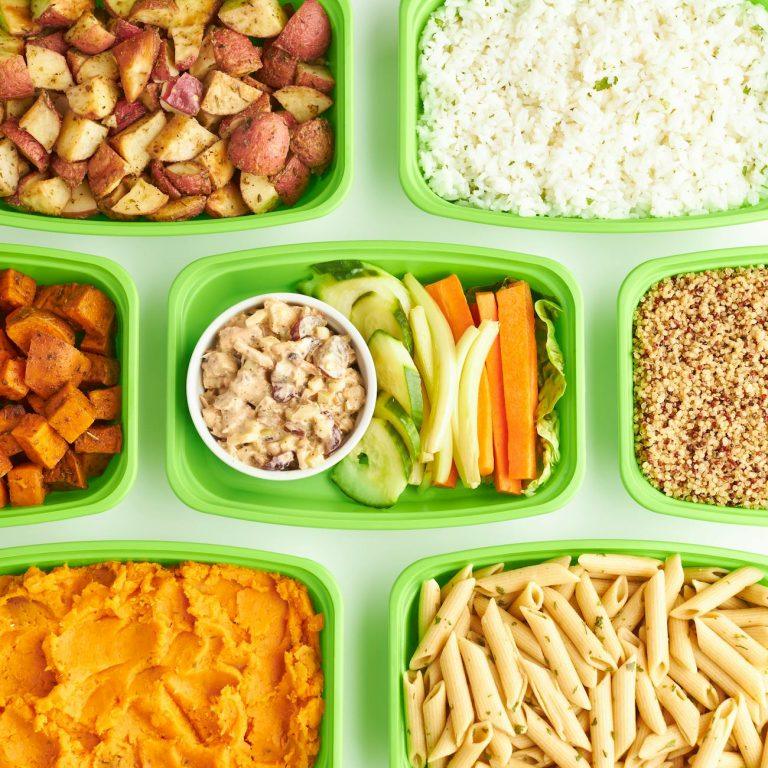
- Batch Cooking Staples: Spend 1-2 hours on a weekend preparing large quantities of base ingredients (e.g., a big pot of brown rice, roasted chicken breasts, or cooked lentils). These become your “instant” additions to meals during the week.
- Strategic Freezing: Buy fresh ingredients (especially meat or seasonal produce) in bulk when on sale and freeze them immediately in usable portion sizes. This locks in a low purchase price and reduces spoilage waste.
- Embrace Simple Prep: Convenience doesn’t mean zero effort. Canned beans (rinsed well), frozen vegetables (no chopping required), and jarred tomato sauce are significantly healthier and often cheaper than their highly processed counterparts.
- The “Cook Once, Eat Thrice” Rule: Plan meals so leftovers are intentionally repurposed. Roast a whole chicken on Sunday; use the leftovers for chicken salad on Monday and chicken soup on Tuesday.
Conclusion
The allure of convenience foods is undeniable in a world that demands speed. However, we must recognize that this perceived efficiency comes bundled with steep, recurring costs: higher grocery bills over time, mounting health debts that manifest as chronic illness, the loss of valuable life skills, and an increased strain on the environment through excessive packaging and complex logistics.
By redefining convenience—shifting from instant gratification to smart preparation—we stop paying the hidden tax of processed eating and start investing in genuine, long-term value for our bodies, our wallets, and our future.