
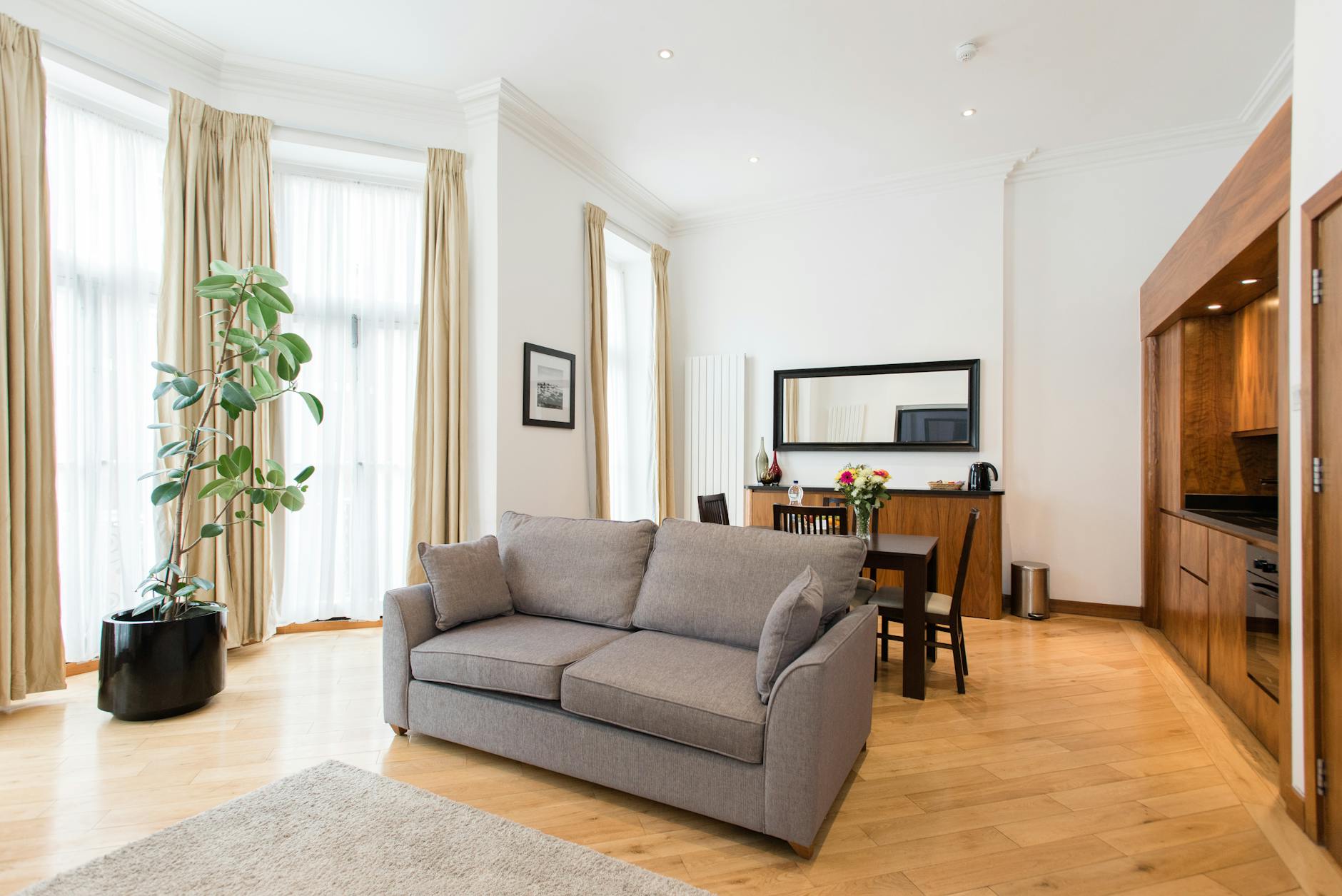
Shoestring Budget Apartment Decorating: Stylish Ideas That Save Money
- Phase 1: The Planning and Purge – Defining Your Vision and Inventory
- 1. Define Your Aesthetic (The Vibe Check)
- 2. Inventory What You Already Own
- 3. Set a Non-Negotiable Budget
- Phase 2: Strategic Sourcing – Where to Find the Gems
- 1. Embrace Secondhand Goldmines
- Thrift Stores and Charity Shops
- Online Marketplaces (Facebook Marketplace & Craigslist)
- Estate Sales and Garage Sales
- 2. The “Big Ticket” Item Strategy
- Phase 3: High-Impact, Low-Cost Transformations
- 1. The Magic of Paint
- 2. Rethinking Wall Art and Decor
- 3. Textiles: Where to Splurge (Smartly)
- Phase 4: Mastering the Details – The Finishing Touches
- 1. Elevated Storage Solutions
- 2. Bringing the Outdoors In
- 3. Lighting Layering
- Conclusion: Patience Pays Off
How I Decorated My Apartment on a Shoestring Budget
Moving into a new apartment is exciting. It’s a blank canvas, a fresh start. But that excitement often collides head-on with the harsh reality of budgeting. Furnishing and decorating an entire space can quickly drain your savings, especially in today’s economy.
When I recently relocated, I was determined not to let my bank account dictate the style or comfort of my new home. My goal was to create a space that felt curated, cozy, and uniquely “me,” all while sticking to a severely restricted budget. This wasn’t about buying cheap, flimsy items; it was about maximizing impact through smart sourcing, creativity, and patience.
If you’re looking to transform your living space without breaking the bank, here is my definitive guide to decorating your apartment on a shoestring budget.
Phase 1: The Planning and Purge – Defining Your Vision and Inventory
The biggest mistake people make when decorating is impulsive buying. Before you even look at a single price tag, you need a plan.
1. Define Your Aesthetic (The Vibe Check)
You don’t need a professional designer, but you do need a mood board. Spend time curating images that appeal to you. Are you leaning towards minimalist Nordic, bohemian maximalism, or mid-century modern?
Actionable Tip: Create a private Pinterest board or save images on Instagram. Look for themes in the photos: recurring colors, textures (wood, metal, velvet), and furniture shapes. This stops you from buying random items that don’t coordinate later. My personal theme became “Warm Industrial,” featuring dark metals, natural wood tones, and deep jewel-toned textiles.
2. Inventory What You Already Own
Before you buy a single throw pillow, thoroughly go through every bin, box, and closet. Chances are, you already own pieces that can be repurposed or upgraded.
- The “Maybe” Pile: Items that are functional but ugly might just need a facelift (see painting below).
- The “Love It But Don’t Fit” Pile: Maybe that large armchair is too bulky for the new living room, but it might be perfect for a cozy reading nook in the bedroom.
- The Donation Pile: Be ruthless. If you haven’t used it in a year, let it go. This clears visual clutter, which is crucial in smaller apartments.
3. Set a Non-Negotiable Budget
Divide your total decorating budget into categories (e.g., Furniture, Lighting, Art/Decor, Textiles). Be strict. If you overspend on the sofa during the first week, future spending must be slashed immediately.
Phase 2: Strategic Sourcing – Where to Find the Gems
Your budget dictates that you must prioritize hunting over impulse shopping at standard big-box retailers. The strategy here is maximizing secondary markets.
1. Embrace Secondhand Goldmines
The sweet spot for budget decorating is usually pre-owned items. They offer better quality construction than new, low-end items, often at a fraction of the price.
Thrift Stores and Charity Shops
These require patience and frequent visits, but you can find incredible deals on glassware, small side tables, and decorative objects.
- The Rule of Three: When visiting, aim to find three usable items, even if you just use them for parts or refinishing. This keeps your trip productive rather than aimless browsing.
Online Marketplaces (Facebook Marketplace & Craigslist)
These platforms are excellent for larger furniture pieces like dressers, bookshelves, and dining tables. People often sell high-quality items quickly when moving, often listed below $50.
- Negotiation Power: Always feel comfortable asking if the price is firm. If an item has been listed for several days, you have leverage. Be polite but direct: “I can pick this up tomorrow for $X.”
Estate Sales and Garage Sales
Estate sales are fantastic for finding cohesive sets of vintage dishware or high-quality wooden furniture before it hits the general thrift market. Go early on the last day for the deepest discounts.
2. The “Big Ticket” Item Strategy
When decorating, focus your budget disproportionately on the items you use the most or that define the room’s function:
- The Sofa/Mattress: Invest as much as you can here for comfort and longevity. (Budget Tip: Buy secondhand and cover it with a high-quality slipcover or large throw blanket.)
- The Lighting: Good lighting drastically elevates a space. If you can’t afford statement lamps, prioritize improving your overhead lighting—a modern fixture can change the feel of an entire room (often a quick, cheap swap if you’re renting).
Phase 3: High-Impact, Low-Cost Transformations
Once you have your core pieces, it’s time to apply creativity to elevate everything—especially the things that look tired or don’t match your aesthetic yet.
1. The Magic of Paint
If you own the space, or if your landlord approves a highly-temporary cosmetic change, paint is the ultimate budget decorator’s secret weapon. If painting walls is too much commitment, focus on furniture.
- Reviving Old Wood: That dated oak dresser from the 1980s? Sand it lightly, prime it, and paint it a deep forest green or matte black. New hardware (often found affordably online) instantly makes it look custom.
- Spray Paint is Your Friend: Use quality spray paint (like Rust-Oleum) to unify disparate metal objects. Old brass lamps, rusty picture frames, or cheap metal shelving units can become cohesive matte black or brushed gold accents.
2. Rethinking Wall Art and Decor
Expensive framed art is a budget killer. Focus on creating gallery walls using inexpensive, high-impact fillers.
- DIY Large Canvas: Buy the largest, cheapest canvas you can find at a craft store (wait for a 40% off coupon). Use house paint samples or leftover acrylics to create abstract, large-scale art. Large, simple art takes up a lot of visual real estate for minimal cost.
- Framing Free Content: Print high-resolution public domain art found online (museum archives offer thousands of free downloads) or use stylish wrapping paper or fabric remnants as matting/inserts for cheap thrifted frames.
- Mirrors for Light: Source inexpensive mirrors (often found at thrift stores for $5–$15). Mirrors bounce light around, making small spaces feel much larger and adding instant sophistication.
3. Textiles: Where to Splurge (Smartly)
While you save on furniture, a few well-chosen textiles can bring texture, color, and coziness that scream “designer,” not “discount.”
- Focus on Touch: Buy the best quality textiles you can afford for items you touch often: the main throw blanket, pillow covers on the sofa, and the area rug. These elements are crucial for perceived quality.
- Finding Rug Steals: Rugs are notoriously expensive. My secret was layering. I bought the largest, cheapest flatweave jute rug I could find (excellent neutral base layer) and layered a smaller, higher-quality, patterned wool rug just in the main seating area. This achieves the look of one massive, expensive rug for half the price.
- Pillow Covers over Inserts: Always buy pillow covers. You can easily swap out covers seasonally or if your style changes, instead of buying entirely new inserts.
Phase 4: Mastering the Details – The Finishing Touches
The final layer of decoration is where personalization happens. These items leverage creativity over cash.
1. Elevated Storage Solutions
Clutter is the enemy of a stylish, budget-conscious home. If you have mismatched plastic bins, everything looks cheap. Use attractive storage to hide necessary ugliness (like remotes, chargers, or paperwork).
- Woven Baskets: Perfect for storing blankets, shoes, or toys. They bring natural texture and instantly look intentional rather than hidden.
- Stacking Books as Decor: Use older hardback books (often sold dirt cheap at library sales) vertically or horizontally to display small vases or candles. Rotate the orientation for visual interest.
2. Bringing the Outdoors In
Plants are incredibly cost-effective decorating tools that add life, color, and filter air.
- Propagate or Buy Small: Instead of buying $50 established plants, buy small cuttings or seedlings—or better yet, ask friends for cuttings from their healthy houseplants (many common varieties root easily in water).
- Dress Up the Planters: If your budget only allowed for inexpensive plastic pots, hide them! Put the plastic pot inside an attractive woven basket or a thrifted ceramic bowl.
3. Lighting Layering
Good lighting prevents “flat” rooms. Aim for at least three sources of soft, warm light per room, moving away from harsh single overheads.
- Twinkle Lights Aren’t Just for Holidays: A strand of warm white LED fairy lights draped over a bookshelf or tucked behind sheer curtains creates instant ambiance for next to nothing.
- DIY Lampshades: If you found beautiful lamp bases secondhand but the shades are stained or ugly, cover them. Use fabric glue to wrap an old shade in natural linen or painted contact paper for a custom look.
Conclusion: Patience Pays Off
Decorating on a shoestring budget is not a weekend project; it’s an ongoing scavenger hunt. The key differentiator between a cheap-looking room and a budget-savvy room is patience. Don’t fill a space just to fill it. Wait for the perfect secondhand dresser, save up for the excellent rug, or dedicate a month to finding the perfect gallery wall material.
By prioritizing planning, hunting creatively, and using high-impact DIY techniques like paint and textiles, I managed to transform my drab rental into a stunning, comfortable sanctuary without touching my emergency savings. Your dream apartment is achievable, regardless of your starting budget—it just requires a little more time and imagination.