Look Expensive Now: Secrets to Luxury Style on a Budget
- The Foundation: Impeccable Grooming and Presentation
- The Non-Negotiables of Polish
- Scent as the Invisible Accessory
- Mastering the Wardrobe: Quality Over Quantity
- The Power of Structure and Fit
- Fabric Selection: Where Perception Matters
- The Monochrome Magic Trick
- Smart Shopping Strategies: Hunting for Hidden Gems
- Decoding the Details
- The Second-Hand Stylist Advantage
- Strategic Color Placement
- Accessories: The Finishing Touches That Tell The Story
- The Leather Lie: Focus on Condition, Not Brand
- Jewelry: Less Clunky, More Meaningful
- Eyewear as Art
- Conclusion: The Mindset Shift
How to Look Expensive When You’re Definitely Not: Mastering the Art of Frugal Chic
In the world of personal style, there’s a coveted aesthetic often described as “expensive” or “high-end.” This look suggests effortless polish, quality materials, and impeccable taste—qualities usually associated with hefty price tags and designer labels. The good news? True elegance isn’t about the cost of your clothing; it’s about the execution. Looking expensive is a masterclass in presentation, attention to detail, and smart shopping.
This guide will break down the actionable, budget-conscious strategies you can employ immediately to elevate your entire appearance from budget-conscious to brilliantly chic.
The Foundation: Impeccable Grooming and Presentation
Before a single garment enters the equation, your personal grooming sets the “price tag” on your overall look. A wrinkled, ill-fitting $2,000 suit will look worse than a crisp $50 ensemble if the grooming commitment isn’t there.
The Non-Negotiables of Polish
- Crispness is King: Nothing screams “cheap” louder than wrinkles, fuzz, or loose threads.
- Ironing/Steaming: Invest in a good steamer (they are often faster and easier than ironing). Treat every single piece—even your pajamas—as if you are about to walk a runway.
- Lint Rollers: Keep one in your car, one in your office, and one by the door. Lint, pet hair, and dust instantly diminish the perceived quality of any fabric.
- Manicured Hands and Feet: Your hands are always on display. Cracked heels, chipped polish, and ragged cuticles sabotage any expensive outfit.
- Maintain clean, neatly filed nails, even if you opt for no polish.
- Invest in quality hand cream, as dry skin looks neglected.
- Hair Health Over Hype: You don’t need the latest expensive cut or color, but you do need clean, healthy hair. Expensive hair looks cared for.
- Focus on high-quality shampoo and conditioner rather than endless styling products.
- Ensure your roots are touched up if you color your hair, as grown-out color looks decidedly unpolished.
Scent as the Invisible Accessory
A subtle, sophisticated scent is the ultimate undetectable luxury. People often associate certain complex, well-blended fragrances with high-end boutiques.
- Less is More: Over-spraying cheap perfume is noticeable. Applying one or two strategic spritzes of a modest, quality perfume (often found affordably online or during holiday sales) creates an air of mystery and refinement.
- Subtle Notes: Look for base notes like sandalwood, amber, or musk for depth, which often mimic the complexity of truly expensive fragrances.
Mastering the Wardrobe: Quality Over Quantity
The secret to an expensive look lies in choosing items that mimic the structure and tailoring of luxury brands, irrespective of their actual origin.
The Power of Structure and Fit
Luxury clothing almost always fits perfectly. While tailoring costs money, it is the single best investment you can make in your wardrobe.
- Tailoring is Essential: A $100 pair of trousers tailored to fit your waist and hit the correct break over your shoe will look significantly more expensive than a $1,000 pair that sags at the knee.
- Target alterations first for blazers and trousers.
- Understanding Silhouette: Avoid overly trendy, baggy, or stretched-out shapes. Expensive looks rely on clean lines, defined shoulders, and clothes that skim the body rather than cling to it. Stick to classic cuts until you can afford high-fashion tailoring.
Fabric Selection: Where Perception Matters
You don’t need pure Italian cashmere, but you can choose fabrics that look smooth, substantial, and hold their shape.
| Look for (Affordable Options) | Avoid (They Look Cheap Fast) |
|---|---|
| Thick, matte cottons (e.g., heavy twill) | Thin, shiny polyester blends |
| Viscose or Rayon (drape well if heavy) | Stiff, cheap acrylic knits |
| Wool blends in blazers (look for smooth finish) | Anything that pills immediately after washing |
The “Heavy” Rule: Generally, the heavier the fabric drapes, the more expensive it looks. A heavy, dense t-shirt looks infinitely more luxurious than a flimsy, sheer one.
The Monochrome Magic Trick
Using color strategically instantly elevates an outfit.
- Embrace Neutrals: Rich shades of black, cream, navy, camel, and charcoal gray photograph and present beautifully. They suggest a carefully curated wardrobe focused on core investment pieces.
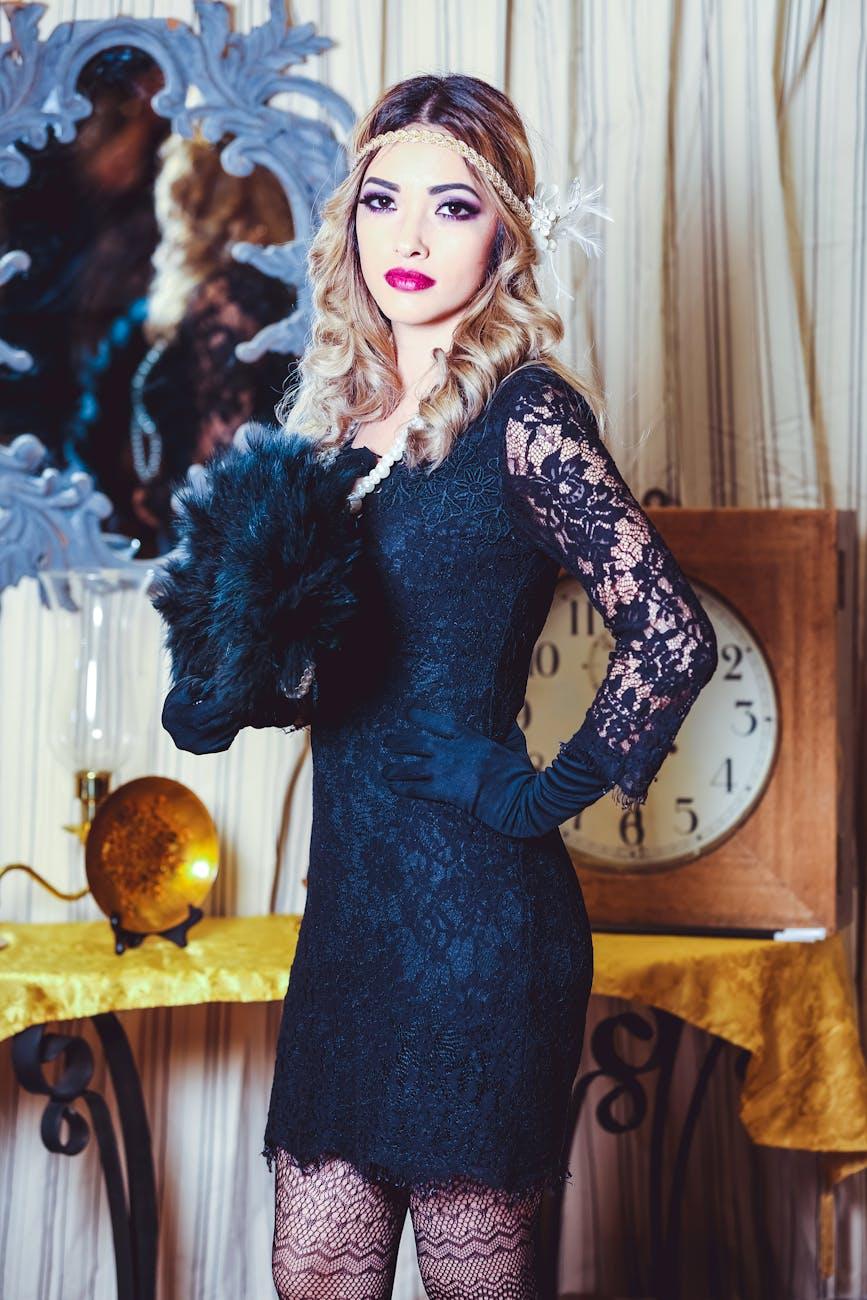
- Go Monochromatic: Wearing one color head-to-toe (especially in shades of cream or black) creates a long, unbroken line that fools the eye into seeing sophistication. A head-to-toe cream outfit assembled from thrifted items instantly looks editorial.
Smart Shopping Strategies: Hunting for Hidden Gems
Looking expensive when you’re not requires disciplined shopping habits. You must become a detective focused on quality markers, not brand logos.
Decoding the Details
Expensive items have quality construction; examine these areas closely when shopping everywhere from discount stores to high-end consignment shops:
- Buttons and Zippers:
- Buttons: Are they sewn on tightly? Do they look cheap or like plastic? Higher-end items often use metal, horn, or sturdy resin buttons that feel substantial. Replace flimsy plastic buttons immediately.
- Zippers: Investigate hardware. YKK is the gold standard. Does the zipper pull smoothly without snagging? Gritty zippers downgrade an entire garment.
- Seam Quality: Look inside the garment. Are the seams neatly finished (serged or bound)? Sloppy, exposed seams signal fast fashion and low-quality construction.
- Lining: A fully lined jacket or dress speaks volumes. Even if the lining is synthetic, the presence of tailoring structure suggests higher initial cost.
The Second-Hand Stylist Advantage
Thrifting and consignment stores are fertile ground for looking high-end on a low budget, as you are bypassing the markup associated with new retail.
- Target Forgotten Categories: Look for older, high-quality leather accessories, well-made silk scarves, or structured wool coats that simply haven’t been touched by current fast-fashion cycles.
- Focus on Natural Fibers: Hunt for merino wool sweaters, silk blouses, or cashmere throws at thrift stores. These materials have an inherent richness that synthetics cannot mimic.
Strategic Color Placement
If you must buy new items on a budget, strategically place the “expensive” material nearest the face—where it will draw the eye first.
- A beautiful silk scarf or a well-made watch draws attention upward, overshadowing a less expensive coat.
Accessories: The Finishing Touches That Tell The Story
Accessories are where most people either hit the jackpot of inexpensive elegance or sabotage their entire effort. The key is restraint and perceived quality.
The Leather Lie: Focus on Condition, Not Brand
A worn, scuffed, or stained luxury bag looks worse than a simple, pristine bag from a lesser-known brand.
- Condition Over Logo: Prioritize hardware that shines (even if it’s just well-polished costume jewelry) and leather that shows minimal cracking or discoloration.
- The Simple Silhouette Triumphs: A structured black tote or a neat crossbody bag without prominent logos always reads as more refined than an overly decorated, branded piece purchased on sale.
- Invest in Shoe Care: Your shoes should always look polished. Use polish or wipes weekly. Scuffed toe caps immediately drag down the entire outfit, implying a lack of time or caring for your belongings.
Jewelry: Less Clunky, More Meaningful
Costume jewelry can look excellent, provided you follow two rules:
- Avoid Obvious Fakes: Skip anything that looks like it’s trying too hard to mimic diamonds or overly branded logos.
- The Warm Metal Effect: Gold tones (even plated) tend to look richer than silver or plastic accessories, especially against darker clothing. Keep the jewelry simple: a single chain, classic hoop earrings, or a substantial watch.
Eyewear as Art
If you wear glasses, they are as much a part of your look as your handbag.
- Classic Frames: Opt for universally flattering, thicker black or tortoiseshell frames. These shapes look expensive because they have universal, high-fashion appeal and offer structure to the face.
Conclusion: The Mindset Shift
Looking expensive isn’t about fooling people into thinking you spent thousands; it’s about convincing yourself that you are worth the effort of careful presentation. The true investment isn’t in the clothing itself, but in the time dedicated to grooming, ironing, cleaning, and tailoring.
When your grooming is flawless, your fabrics are crisp, and your accessories are chosen with intention and restraint, the resulting look always communicates sophistication—a quality that, thankfully, is entirely free.