Self-Paying Luggage: Smart Investment for Frequent Flyers
- Understanding the True Cost of Cheap Luggage
- The Cycle of Replacement
- The Weight Penalty
- The Pillars of Self-Paying Luggage: Durability and Warranty
- Superior Construction Materials
- The Ironclad Warranty (The True Safety Net)
- Maximizing Return: Features That Save You Time and Money
- Integrated Organization and Tech Features
- Enhanced Security Measures
- The Psychology of Travel: Investing in Experience
- Conclusion: The Longevity Equation
The Luggage That Pays for Itself Over Time: Smart Investments for Savvy Travelers
Travel is inherently an investment—in experiences, in education, and in relaxation. But savvy travelers know that the initial cost isn’t the only financial consideration. The gear you choose, especially your luggage, can either be a recurring expense that drains your budget or a one-time investment that saves you money, hassle, and stress for years to come.
The concept of “luggage that pays for itself” isn’t about finding a suitcase that generates income; it’s about intelligent purchasing that mitigates future costs and enhances the travel experience so significantly that the upfront price becomes negligible. This isn’t just about durability; it’s about features, warranty, and long-term value proposition.
Understanding the True Cost of Cheap Luggage
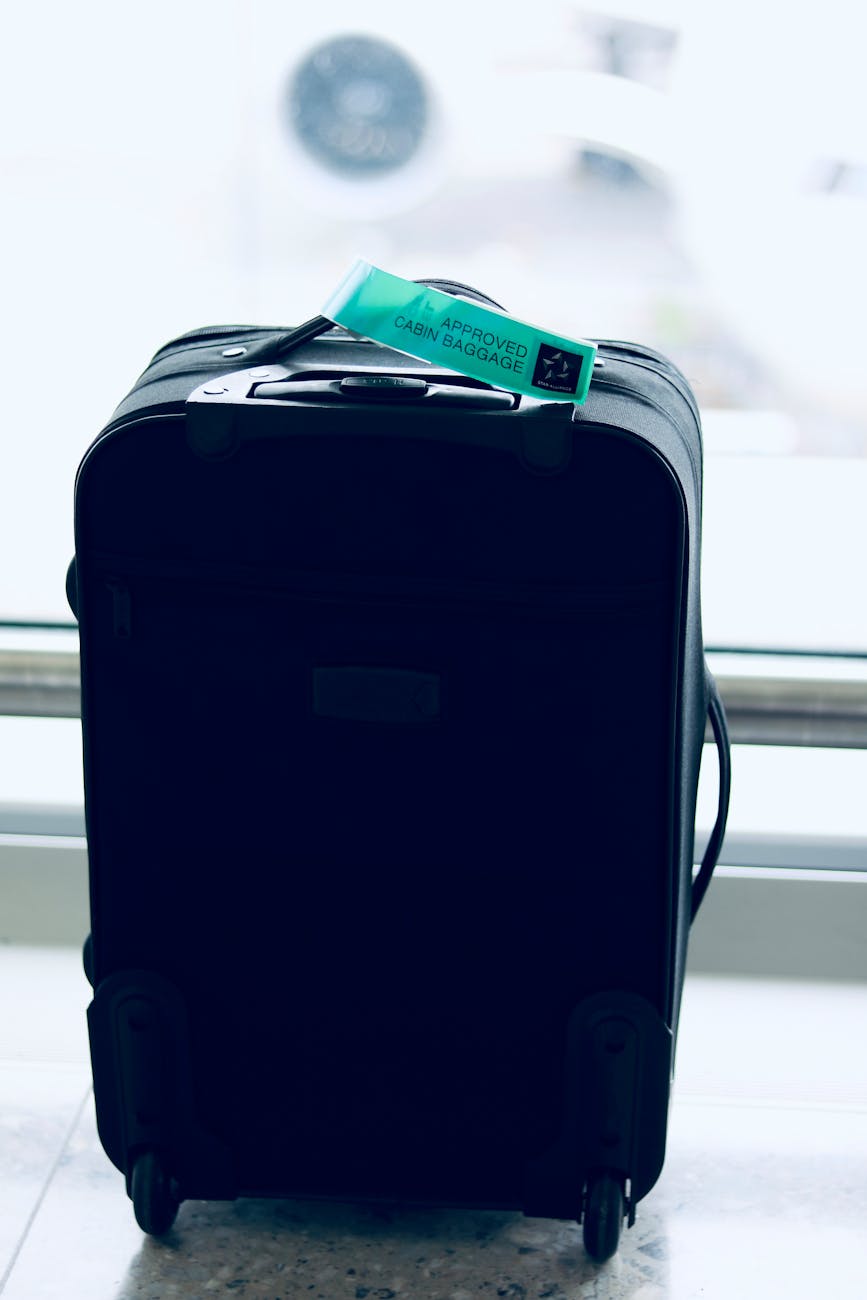
Before diving into the benefits of premium luggage, it’s crucial to dissect the hidden costs associated with buying bargain-basement travel gear. That $50 spinner you found on sale might seem like a steal, but its lifespan is often tragically short.
The Cycle of Replacement
Cheap luggage tends to fail spectacularly, often at the most inconvenient moments. Consider these common failure points:
- Wheels Snapping: A broken wheel means dragging a heavy bag through an airport terminal, often resulting in back strain or embarrassment.
- Telescopic Handle Failure: A handle that jams or collapses mid-trip often necessitates an emergency replacement purchase at an overpriced airport shop.
- Zipper Blowouts: This is perhaps the most catastrophic failure, leading to the contents of your bag spilling across the baggage carousel or security line.
- Shell Cracking: Soft-sided bags rip easily, and hard-shell cases made from cheap ABS plastic are prone to shattering under the rough handling of baggage handlers.
If you buy three cheap bags in the span of five years, you’ve spent $150-$200, plus the cumulative cost of wasted time and stress. A single, high-quality piece might cost $300-$400, but if it lasts ten to fifteen years, the cost-per-trip plummets.
The Weight Penalty
A surprisingly overlooked cost factor is weight. Budget luggage often uses cheaper, heavier materials to achieve a semblance of durability. Checked baggage fees are universal, and every unnecessary pound counts.
- Example: If a budget suitcase weighs 9 lbs empty, and you consistently check it on a budget airline with a strict 50 lb limit, you have only 41 lbs of usable packing space. A premium, lightweight polycarbonate suitcase that weighs 6 lbs frees up an extra 3 lbs for your actual belongings, potentially saving you an overweight baggage fee of $75–$100 per flight. If you fly internationally twice a year, those savings start adding up quickly.
The Pillars of Self-Paying Luggage: Durability and Warranty
The most immediate way luggage “pays for itself” is by refusing to break. This resilience is typically built into two key areas: superior materials and industry-leading warranties.
Superior Construction Materials
Premium luggage makers invest heavily in materials science to ensure their products withstand the rigors of modern travel.
- Polycarbonate vs. Plastic: High-end hard-shell luggage frequently utilizes pure, virgin polycarbonate. This material is remarkably light yet incredibly impact-resistant, flexing under pressure rather than cracking—much like a high-quality car bumper. Cheaper bags use softer, brittle plastics that degrade faster when exposed to extreme temperatures (hot tarmac or freezing cargo holds).
- Aluminum Frames: Some premium brands integrate aircraft-grade aluminum frames, providing structural rigidity that prevents the bag from warping or crushing, protecting fragile contents.
- High-Performance Wheels: The difference between a standard plastic wheel and a high-quality polyurethane or Japanese Hinomoto wheel is night and day. Premium wheels are designed to absorb shock, roll smoothly over carpet, tile, and cobblestone, and feature robust mounting systems that prevent lateral wobble or detachment.
The Ironclad Warranty (The True Safety Net)
A lifetime warranty is perhaps the single greatest financial defense a traveler can have. Many top-tier brands stand behind their products so fiercely that they essentially guarantee their luggage will last your traveling lifetime.
- The “All-Inclusive” Guarantee: Some companies offer warranties that cover everything—wear and tear, airline damage, even accidental damage incurred by the owner. If the airline damages the handle, you don’t file an insurance claim; you send the bag back to the manufacturer for repair or replacement, often at no cost to you.
- The Benefit: This eliminates the need to ever budget for a replacement suitcase. You pay once, and the manufacturer assumes the future replacement risk. This peace of mind is invaluable.
Maximizing Return: Features That Save You Time and Money
Beyond simple durability, certain features integrated into high-end luggage actively contribute to your financial savings and efficiency over time.
Integrated Organization and Tech Features
Modern luggage is designed to streamline the packing and security process, reducing friction and potential fines.
- Built-in Scales: A few high-end lines now incorporate digital scales directly into the handle. If you’ve ever had to frantically repack your carry-on at the gate to avoid a $150 overweight fee, you know this feature pays for itself almost instantly on a single trip.
- Quick-Access Pockets and Laptop Sleeves: For business travelers, having TSA-friendly quick-access zones for electronics means faster security lines. Saving 10 minutes in the queue every month is a small luxury that adds up to significant time savings annually.
- Compression Systems: Quality luggage often features internal lashing straps and compression panels that allow you to fit 15-20% more into the case without adding external bulk. This means you might be able to use a carry-on for a week-long trip instead of checking a bag, directly saving $30–$60 per flight.
Enhanced Security Measures
While no suitcase is impenetrable, premium luggage often incorporates superior security features that deter theft and loss.
- Certified Zippers: Look for luggage equipped with genuine YKK zippers or, better yet, integrated TSA-approved locking systems. Locks built directly into the shell are far more secure than cheap, aftermarket combination locks that are easily picked or cut.
- Anti-Theft Features: Advanced designs might include hidden pockets, tamper-proof stitching, or even RFID-blocking pockets for passports and credit cards, offering a baseline layer of protection that cheap bags lack.
The Psychology of Travel: Investing in Experience
The ultimate way luggage “pays for itself” is by fundamentally improving the quality of your travel experience. When you aren’t worried about your belongings, you are more present and can enjoy your trip more fully.
Imagine arriving at your destination after a long-haul flight. With cheap luggage, you might be anxious about whether your bag will appear on the carousel, if it will be bashed open, or if the wheel will immediately break.
With reliable, purpose-built luggage:
- Reduced Anxiety: You move through the airport with confidence, knowing your investment is protected.
- Professional Presentation: For those traveling for work, presenting a sleek, well-kept bag reflects professionalism—a non-monetary asset with real career value.
- Rarity of Panic Buys: You are never forced to buy emergency replacements, toiletries, or spare clothing because your gear failed mid-trip.
Conclusion: The Longevity Equation
Investing in high-quality luggage transforms it from a disposable commodity into a reliable travel companion. By calculating the cost-per-year (or even cost-per-trip), the math quickly favors the durable choice.
When you choose a suitcase backed by a comprehensive lifetime warranty, constructed from resilient, lightweight materials, and featuring intelligent design elements that prevent hidden fees, you aren’t just buying luggage; you are purchasing decades of stress-free travel. You are opting out of the constant cycle of replacement and budget surprises, ensuring that the only thing you need to worry about is securing your next boarding pass. That reliability, above all else, is what makes the best luggage truly pay for itself.