Stop Buying Souvenirs: Start Saving for Amazing Experiences Now
- The Problem with Traditional Souvenirs
- 1. The Burden of Clutter
- 2. The Authenticity Gap
- 3. Financial Drain
- The Shift: Redefining the “Keepsake”
- Implementing the “Experience Fund”
- Experiences That Create Lasting Memories
- 1. Mastering Local Cuisine
- 2. Skill Acquisition and Workshops
- 3. Deep Dives via Specialized Tours
- The New Souvenirs: Digital Artifacts and Sensory Memories
- 1. Photographic Libraries and Videos
- 2. Sensory Memories
- 3. Storytelling Currency
- Making the Transition: Tips for Success
- Conclusion
I Stopped Buying Souvenirs and Started Saving for Experiences
For years, my living room told a predictable story: a shelf dedicated to trinkets collected from every corner of the globe. A tiny Eiffel Tower that didn’t light up, a miniature mosaic from Rome, a carved wooden elephant from Thailand. They were physical markers of past adventures, but looking back, they felt less like cherished memories and more like dust collectors. They were anchors tying me to a physical object, rather than the vibrant, ephemeral joy of the journey itself.
Three years ago, I made a conscious decision to change my travel philosophy: I stopped buying souvenirs and started saving that money for experiences. The shift wasn’t just financial; it was a fundamental reorientation of what I valued in life and travel. This transition has profoundly enriched my travels, offering deeper cultural immersion and creating memories that last far longer than any cheap keychain ever could.
The Problem with Traditional Souvenirs
Before diving into the solution, it’s important to examine why the traditional souvenir model often fails us. While the intention is noble—to bring a piece of a place home—the reality is usually less romantic.
1. The Burden of Clutter
The most immediate problem is physical space. Every object brought home takes up real estate. In an increasingly minimalist world, collecting physical objects often leads to clutter, stress, and the dreaded “junk drawer” multiplied by every destination visited. These items require dusting, organizing, and eventually, throwing away or donating.
2. The Authenticity Gap
Often, the most readily available souvenirs are mass-produced imports themselves. That supposed “authentic” ceramic bowl might have been stamped out in a factory thousands of miles from where you bought it. The connection to the local artisan or the place itself is tenuous at best. They become hollow symbols rather than genuine keepsakes.
3. Financial Drain
Souvenirs, even small ones, add up. A $15 statue here, a $25 scarf there—it seems manageable until you realize that over a year of travel, those small purchases could have funded a significant portion of a flight or an incredible guided tour.
The Shift: Redefining the “Keepsake”
The core of my transformation was realizing that the most valuable thing I take away from a trip is not an object, but a feeling, a skill, or a memory. By redirecting the budget previously allocated to trinkets, I opened up new avenues for deeper engagement.
Implementing the “Experience Fund”
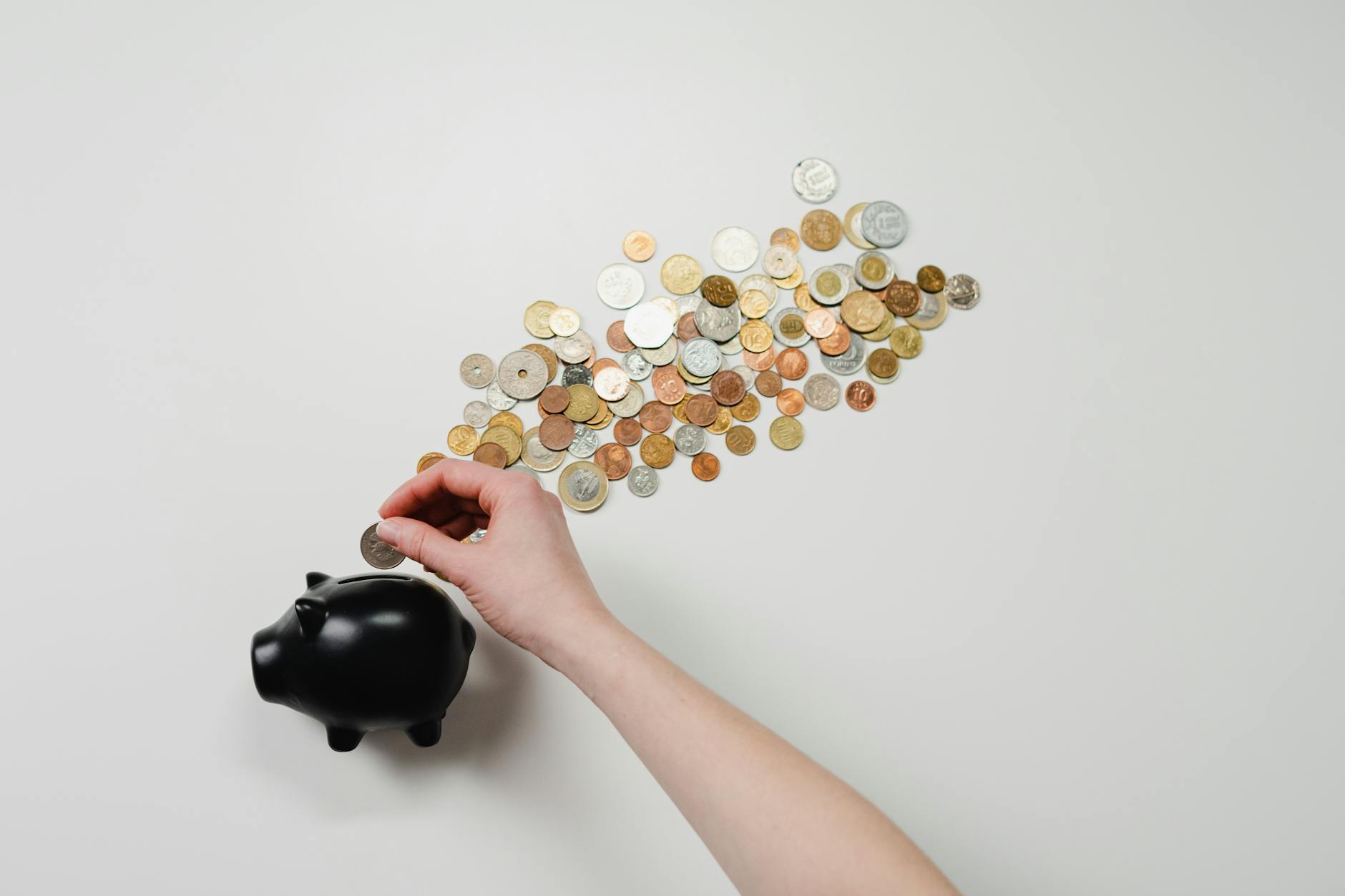
The first step was practical: formalizing the savings. I created a dedicated, labeled savings account called the “Travel Experiences Fund.” For every trip I planned, I calculated what I would have spent on typical souvenirs (usually around 5-10% of the total budget) and immediately transferred that amount into the fund.
This dedicated fund wasn’t for essential travel costs; it was exclusively for premium, immersive, or novel experiences that might otherwise feel too extravagant.
Experiences That Create Lasting Memories
Once the money was earmarked, the possibilities exploded. Instead of browsing the tourist shop for a magnet, I started researching activities that involved genuine interaction and skill-building.
1. Mastering Local Cuisine
Food is one of the most effective gateways into a culture, yet simply eating out often keeps you on the surface. Investing in cooking classes provided a tangible, usable skill derived directly from the location.
- Example in Italy: Instead of buying a novelty pasta server, I spent the money on a half-day private pasta-making class in Bologna. I learned the exact folding technique for tortellini from a dedicated nonna. Now, every time I host an Italian dinner, I recreate that experience (and the memory) right in my own kitchen.
- Example in Thailand: The funds paid for a market-to-table cooking tour in Chiang Mai, where the guide not only showed me how to haggle for rare herbs but taught me the balance of sweet, sour, salty, and spicy in authentic curry preparation.
2. Skill Acquisition and Workshops
Many destinations offer short, intensive cultural workshops. These are fantastic because they force you to engage with local experts and potentially leave you with a unique, usable skill.
| Destination | Traditional Souvenir (Cost) | Experience Investment (Cost) | Lasting Value |
|---|---|---|---|
| Kyoto, Japan | Small ceramic tea cup ($20) | Half-day Shibori dyeing workshop ($75) | I own beautiful, locally dyed textiles I actually use. |
| Oaxaca, Mexico | Mass-produced clay figurine ($15) | Intro to traditional black pottery workshop ($50) | Understanding the historical significance of the craft and supporting a local studio. |
| Dublin, Ireland | Fake felt hat ($30) | Evening calligraphy session focusing on Celtic script ($60) | A unique piece of personalized artwork and appreciation for the lettering. |
3. Deep Dives via Specialized Tours
The experience fund allowed me to splurge on guided tours or specialized access that felt too expensive when scraping by on a standard travel budget.
Instead of buying a generic photograph of the Grand Canyon, I used the money to book a guided sunset hike into a less-traveled section of the park. Instead of purchasing a postcard from the Louvre, I used the funds to hire a private, two-hour art history guide focused solely on Impressionism—a topic I genuinely love.
These experiences shift the focus from passive observation to active learning and personal investment.
The New Souvenirs: Digital Artifacts and Sensory Memories
When I returned home after prioritizing experiences, I realized I hadn’t brought back a single “thing” I needed to dust. What I had brought back were infinitely more valuable:
1. Photographic Libraries and Videos
My camera roll is now the repository of my memories. It contains high-resolution images of the artisan’s hands shaping clay, the specific steam rising off a perfectly cooked dish, and the genuine smile of a fellow traveler during a shared moment. These digital artifacts are instantly shareable and require zero physical space.
2. Sensory Memories
The scent of cardamom in the Marrakech spice market, the sound of the call to prayer echoing through Istanbul, the texture of rough linen dyed during a workshop—these sensory inputs are deeply encoded in memory. They require no physical presence to recall. When I smell basil, I am instantly transported to that trattoria in Florence.
3. Storytelling Currency
Perhaps the most rewarding “souvenir” is the story. When friends ask about the trip, I don’t point to a lifeless object on a shelf; I tell them about the terrifying, exhilarating hot air balloon ride secured by my experience fund, or the lesson in bartering I learned at a remote market. Experiences are conversational; objects are static.
Making the Transition: Tips for Success
If you are considering making the same shift, here are a few practical steps to ensure your Experience Fund thrives:
- Audit Your “Clutter Zone”: Spend an hour looking at the souvenirs you already own. Notice which ones you actually look at and which ones you habitually ignore. This visual inventory provides the crucial motivation needed to break the habit.
- Define Your Experience Tiers: Not every experience needs to be a huge splurge. Create tiers:
- Tier 1 (Small Daily Splurge): Upgrade from street food to a nice café breakfast.
- Tier 2 (Mid-Range): A half-day workshop or a specialized museum ticket.
- Tier 3 (The Big Splurge): The one major guided experience you fund entirely with your savings pot.
- Set a Physical Boundary: If you absolutely must bring something physical back (perhaps for a relative), limit yourself to one small, meaningful item, such as a local food product (tea, coffee, spice) that you can consume, thus releasing its physical footprint shortly after your return.
Conclusion
Stopping the purchase of physical souvenirs wasn’t about deprivation; it was about redirection. It was choosing the intangible richness of experience over the temporary satisfaction of acquisition. My travels are now richer, my apartment is cleaner, and my memories are more vivid, tied not to dust-collecting items, but to the actual moments I spent learning, creating, and connecting with the world. The best souvenir you can bring home is the slightly altered, more knowledgeable version of yourself.