Stop Following Fashion Influencers, Start Saving Money Now
- The Illusion of Inescapable Newness
- The Psychological Hook: FOMO and Aspiration
- The Unsubscribe Cascade: Reclaiming My Feed
- What I Replaced Them With
- The Financial Reality Check: Tracking the Dollars Saved
- Case Study: The Cost of a Single Trend Cycle
- The “Closet Audit” Savings
- Redefining Personal Style: Quality Over Quantity
- The Power of the Style Prompt
- The “30 Wears” Mentality
- Practical Steps for De-Influencing Your Wardrobe
- Conclusion
I Stopped Following Fashion Influencers and Started Saving Money
For years, my scrolling thumb was addicted to perfectly curated feeds. Every double-tap was a subconscious nod to the next must-have item, the seasonal “it” color, or the latest viral shopping haul. I wasn’t just an observer; I was a participant in the relentless, always-on cycle of fast fashion, fueled entirely by the dazzling, aspirational lives projected by fashion influencers.
The promise was simple: buy this, wear this, and you too will achieve flawless style and happiness. The reality? My closet overflowed with unworn items, my credit card statement stung with buyer’s remorse, and my personal style felt less like an expression and more like a cheap, high-turnover copy of someone else’s sponsored life.
Then, I hit a breaking point. It wasn’t a dramatic intervention, but a slow, creeping realization that the joy of dressing had been replaced by the anxiety of consumption. I decided to perform a radical audit: I unfollowed every single fashion influencer who marketed newness as necessity. The resulting silence on my feed was deafening—and my bank account started thanking me almost immediately.
This is the story of how disconnecting from the constant noise of digital fashion authority transformed my spending habits, redefined my relationship with my wardrobe, and ultimately, saved me a significant amount of money.
The Illusion of Inescapable Newness
Fashion influencing thrives on perceived scarcity and manufactured urgency. Influencers are masters at creating a compelling narrative around the idea that yesterday’s outfit is fundamentally obsolete today. This technique, largely dependent on brand partnerships, trains the follower’s subconscious to equate “new content” with “new purchase required.”
The Psychological Hook: FOMO and Aspiration
The core mechanism driving overconsumption in this space is the Fear of Missing Out (FOMO), repackaged for materialism.
- The Urgency Factor: Phrases like “Limited Stock,” “Shop This Drop Before It Sells Out,” or “Last Chance to Get This Look” psychologically pressure the viewer into immediate action, bypassing careful consideration.
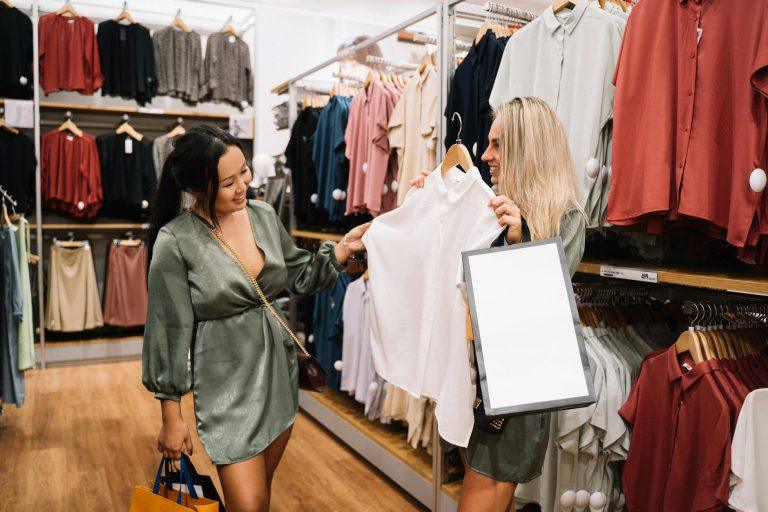
- Aspirational Living: The clothes are rarely shown in mundane contexts. They are modeled during lavish vacations, at exclusive events, or against picture-perfect backdrops. The subconscious connection becomes: buy the dress, buy the lifestyle.
- The “Haul” Effect: Large, repetitive shopping hauls normalize excessive purchasing. Seeing someone consistently acquire 10-20 new items every week makes buying three sweaters at once feel completely normal, rather than excessive.
When I meticulously tracked my own spending over a six-month period before unfollowing, I realized that 90% of my purchases were directly traceable to an influencer’s post, story, or dedicated affiliate link. I wasn’t shopping to fill a need; I was shopping to replicate an image.
The Unsubscribe Cascade: Reclaiming My Feed
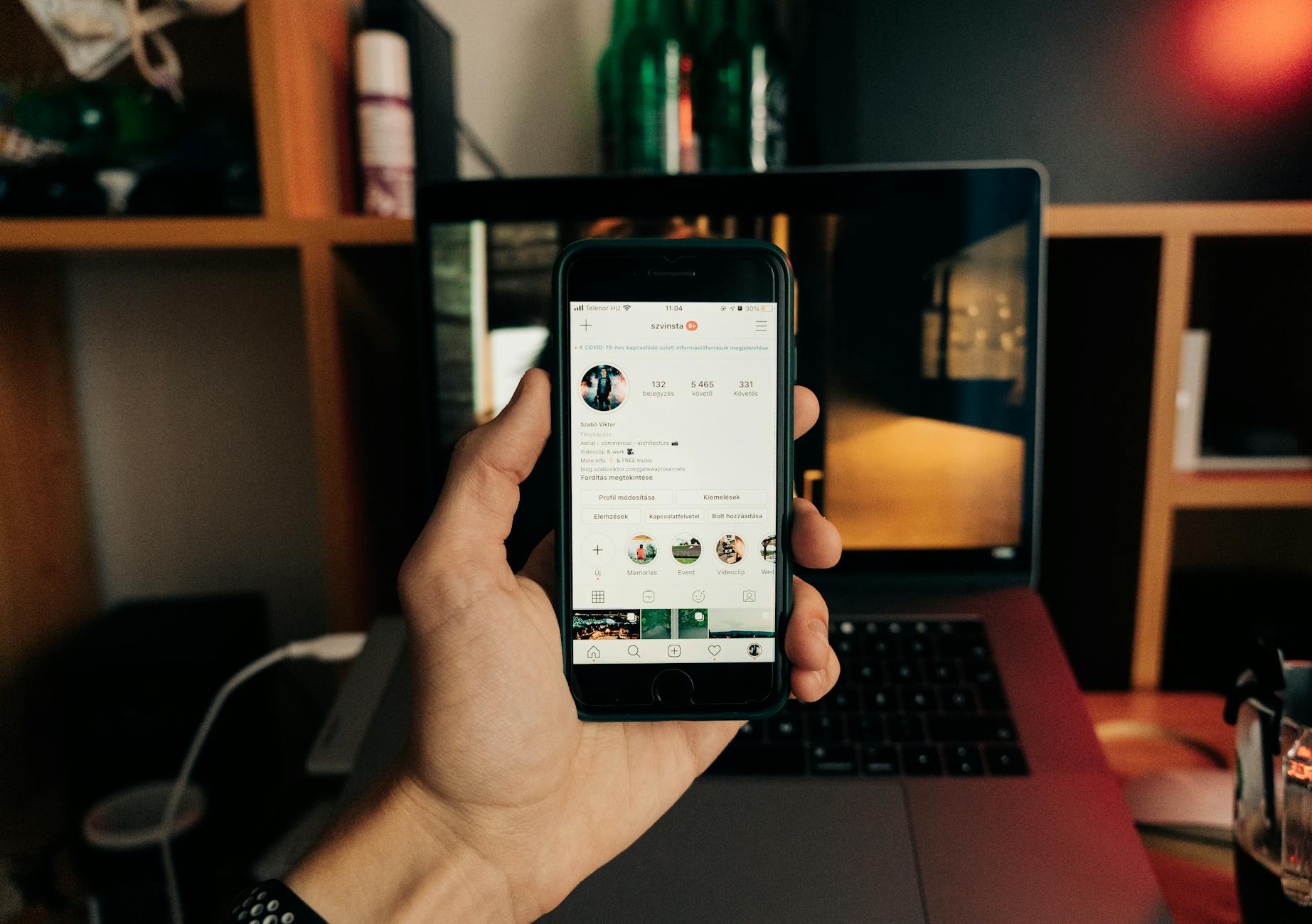
The initial few days after mass unfollowing felt strangely empty. My recommended tabs were quiet, and my discovery page was no longer recommending clothing hauls. This silence was the first step toward financial recovery.
What I Replaced Them With
Simply removing content creates a vacuum. If I didn’t fill that space with something better, I’d just return to the old habits out of boredom. I intentionally cultivated a feed focused on substance over superficial trends:
- Costuming and Slow Fashion Experts: I followed curators who focused on vintage style, textile knowledge, repair guides, and long-term wardrobe building. Their content emphasized quality over quantity.
- Financial Independence (FI) Content: Shifting my scrolling focus to learning about budgeting, investing, and debt reduction provided a superior dopamine hit—the feeling of genuine future security, rather than fleeting retail gratification.
- Skill-Based Creators: People teaching tangible skills like cooking, woodworking, or gardening—activities that produce lasting value rather than disposable goods.
This shift in input naturally led to a shift in mental priority. When I opened Instagram, I was less inclined to think, “What should I buy?” and more inclined to think, “What can I do?”
The Financial Reality Check: Tracking the Dollars Saved
The most immediate and measurable benefit was financial. It wasn’t just about avoiding the $50 impulse dress; it was about eliminating the hundreds spent monthly on associated items, shipping fees, and the maintenance curse of a bloated wardrobe.
Case Study: The Cost of a Single Trend Cycle
Let’s map out how one typical seasonal trend, driven by influencer promotion, used to dent my budget:
| Item Category | Influencer-Driven Purchase (Monthly Average) | Actual Annual Cost |
|---|---|---|
| The “It” Top/Blouse | $45 (Worn 3 times before trend fades) | $540 |
| The “Necessary” Accessory (Bag/Shoes) | $70 (Mid-tier fast fashion) | $840 |
| Seasonal Update Bundle (New denim/outerwear) | $120 (One major purchase per season) | $480 |
| Shipping & Expedited Fees | $15 | $180 |
| Total Estimated Annual Spend on Trends | $250 per month | $2,040 |
By stepping off the treadmill, the $2,040 I previously dedicated to chasing fleeting looks was reallocated. In the first year after my digital detox, that money went directly into a high-yield savings account dedicated to a legitimate long-term goal: a down payment fund.
The “Closet Audit” Savings
Beyond direct purchases, the quality of my existing wardrobe improved because I stopped seeing it as a failure compared to the new items online.
When a celebrity or influencer wears a specific, unique coat, the natural impulse is to find a cheaper dupe. Now, when I see an amazing coat online, the first question I ask myself is, “Do I already own a functional, high-quality coat I can style with these new pieces?”
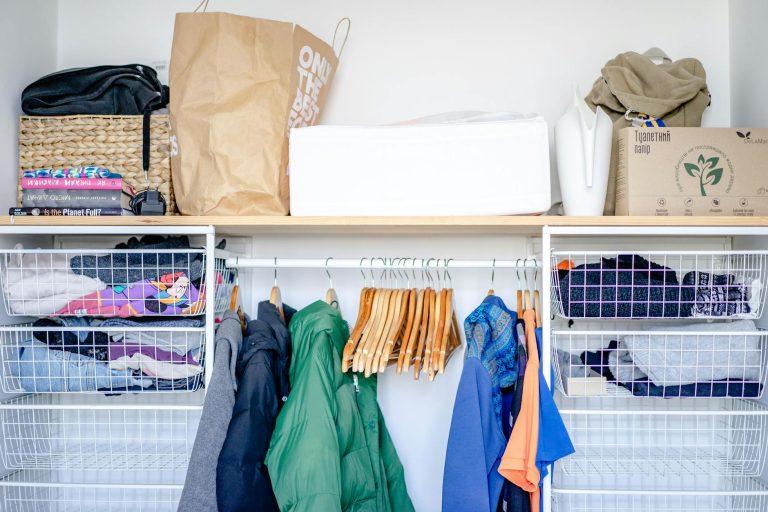
This led me to rediscover quality basics I already owned. I spent $50 getting one of my older, slightly damaged wool coats professionally cleaned and re-sewn at the hem, instantly giving me a “new” investment piece for far less than the $200 fast-fashion version being promoted online.
Redefining Personal Style: Quality Over Quantity
The biggest transformation wasn’t financial; it was creative. When you are constantly consuming—waiting for an external source to dictate what you wear next—you stop developing your own aesthetic intelligence.
The Power of the Style Prompt
Influencers provide answers. They give you the finished outfit. When you stop following them, you are forced to start asking better questions.
Instead of asking, “Should I buy this neon green cardigan?”, my internal dialogue shifted to:
- “What colors in my existing wardrobe do I love but rarely wear?”
- “What silhouette flatters my actual body shape, regardless of what’s on the runway this week?”
- “How can I combine these three existing items in a way I haven’t tried before?”
This necessitated actually using the clothes I owned. I started playing dress-up again. I experimented with layering pieces that had sat neglected because they didn’t match the specific aesthetic of the current micro-trend. My resulting outfits felt authentic, relevant to my life (not a tropical photoshoot), and, crucially, unique to me.
The “30 Wears” Mentality
When you stop being sold items designed to fall apart after three washes, you start valuing longevity. I adopted a strict, albeit informal, “30 Wears” rule for any new purchase: if I cannot genuinely envision wearing this item at least 30 times over the next few years, there is no room for it in my life.
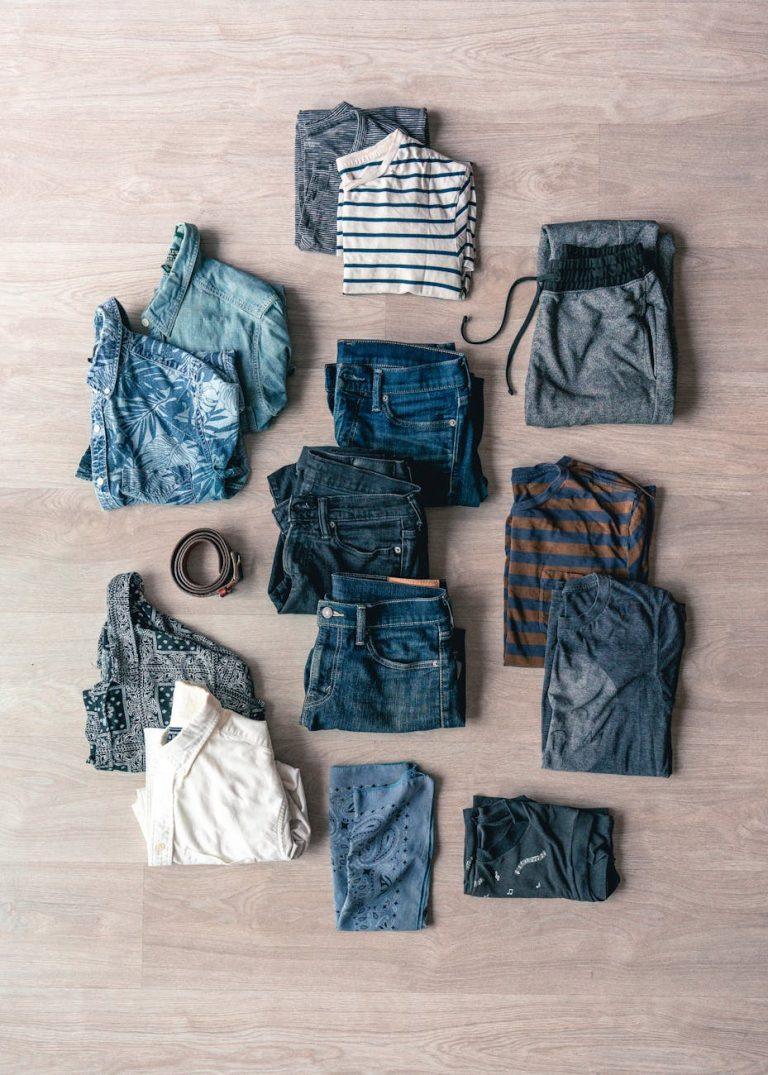
This automatically filters out novelty items and low-quality synthetics pushed heavily by digital marketers. It forces a focus on fabric composition, construction quality, and timeless versatility.
Practical Steps for De-Influencing Your Wardrobe
If you are ready to experience similar savings and style clarity, here are practical steps to execute your own digital fashion detox:
- The Unfollow Blitz: Spend 30 dedicated minutes aggressively unfollowing every account whose primary content is promoting new clothing hauls, affiliate links for emerging trends, or daily “outfit of the day” (OOTD) posts designed to create purchase envy.
- Archive Your Shopping Apps: Delete the retail apps that hijack your attention (ASOS, Zara, Shein, etc.). If you need something truly specific (e.g., replacing a broken appliance), go directly to the website via search rather than clicking through an engaging, distraction-filled app.
- Implement a “30-Day Cooling Period”: If you see an item you think you need, save the link to a dedicated “Maybe List” spreadsheet instead of buying it immediately. Check the list 30 days later. In 95% of cases, the desire will have vanished, saving you the money.
- Identify Your Style Icons Intentionally: Find stylists or content creators who inspire you through their styling, not their spending. Look for people who focus on thrifting, mending, sewing, or wardrobe integration.
Conclusion
The fashion influencer landscape is a highly efficient machine designed to extract value from your attention and your wallet by manufacturing desire. Walking away from it is not about denying yourself nice things; it’s about reclaiming autonomy over your taste and your finances.
By replacing the external, rapid-fire commands of digital hype with internal reflection about quality, longevity, and genuine need, I didn’t just stop spending money; I started investing it. My closet is smaller, my style is sharper, and the savings account is significantly heavier—all thanks to the power of the unsubscribe button.