Six Months No Clothes: Where Did All My Money Go?
- The Pre-Fast Financial Reality Check
- Phase 1: The Withdrawal Symptoms (Months 1 & 2)
- The Mental Shift from Consumption to Creativity
- Phase 2: Rediscovery and Repair (Months 3 & 4)
- The Power of Maintenance
- Phase 3: Repurposing the Funds (Months 5 & 6)
- Where Did My Fashion Money Go?
- Impact on My Closet
- Key Lessons Learned from the Great Wardrobe Fast
- 1. The True Cost of “Cheap” Clothing
- 2. Novelty vs. Newness
- 3. The Inventory Advantage
- 4. Shifting the Pleasure Center
- Conclusion
I Stopped Buying Clothes for Six Months: What Happened to My Money
The fashion industry is a formidable machine, constantly churning out new trends, styles, and “must-haves.” For years, I was a willing cog in that machine. Shopping wasn’t just a necessity; it was entertainment, a dopamine hit, and a way to signal status or belonging. My closet overflowed, yet the nagging question remained: “What am I going to wear tomorrow?”
Six months ago, I decided to pull the emergency brake. Driven by a growing sense of financial frustration and environmental guilt, I initiated the “Great Wardrobe Fast”—a self-imposed moratorium on all new clothing purchases for 180 days. I wasn’t looking to become a minimalist guru, but I desperately wanted to understand where my discretionary income was actually going.
The results surprised me—not just in the dollars saved, but in the fundamental shift in my relationship with my existing wardrobe and my perception of value.
The Pre-Fast Financial Reality Check

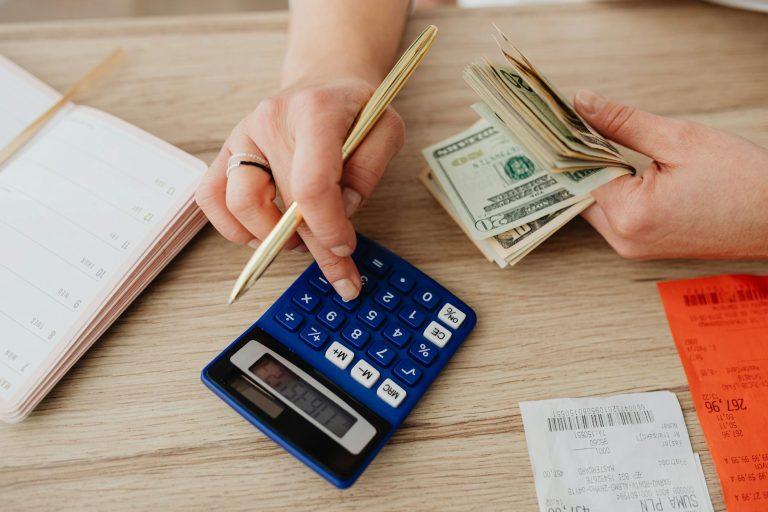
Before embarking on this experiment, I had to establish a baseline. I pulled up my bank statements from the previous six months and categorized every expenditure labeled “Apparel,” “Shoes,” or “Accessories.” The numbers were frankly embarrassing.
I averaged $450 per month on clothing. This wasn’t luxury shopping; it was a steady stream of fast-fashion items, occasional mid-range purchases, and the occasional splurge on something labeled “investment.”
Total Projected Savings for Six Months: $450/month * 6 months = $2,700 USD.
The goal was clear: where would that $2,700 actually end up?
Phase 1: The Withdrawal Symptoms (Months 1 & 2)
The initial two months were characterized by phantom urges and acute awareness of my limitations. Every time I saw an advertisement—and believe me, once you stop buying, the algorithmic marketing ramps up tenfold—I felt a strong pull.
The Mental Shift from Consumption to Creativity
My first realization was that shopping had been a form of procrastination. When facing a busy workday or a social event, the mindless act of browsing online offered an easy escape. Stopping this habit forced me to engage with my existing inventory.
I discovered the “Three Before Me” Rule: Before I considered buying something new, I had to find three existing items in my closet that performed the same function or could create a similar outfit.
Challenges Encountered:
- Weather Shifts: Spring transitioned into summer, revealing that I desperately needed appropriate lightweight fabrics, which I didn’t neatly possess. (I resisted buying, opting instead for rigorous layering of existing pieces.)
- Social Pressure: Attending a wedding forced a near-purchase, but a last-minute swap with a friend averted the crisis.
- The “Missing Piece” Syndrome: I convinced myself I couldn’t go out because I didn’t have the perfect top. This often meant a cancelled plan or, worse, a poorly planned, expensive last-minute outing where I overspent on food/drinks to compensate for my perceived wardrobe deficit.
Money-wise, the first month saw a dramatic drop. I saved the full $450, mostly because I hadn’t budgeted for the temptation.
Phase 2: Rediscovery and Repair (Months 3 & 4)
This phase marked a crucial turning point. The initial craving subsided, replaced by a genuine appreciation for the quality of items I already owned but had ignored.
I spent an afternoon meticulously cleaning, organizing, and taking inventory of my wardrobe. This wasn’t just tidying; it was forensic examination.
The Power of Maintenance
I realized that much of my desire for new things stemmed from neglecting the old. A faded black t-shirt looked drab; a pair of expensive jeans had a small pilling issue.
Instead of discarding them for replacements, I invested small amounts of time and money into maintenance:
- Dye Bath: Revived three dark-colored items that looked tired. Cost: $15 for fabric dye.
- Small Repairs: Replaced a broken zipper on a favorite winter coat and hemmed a pair of trousers that never fit right. Cost: $5 for new zipper, $0 for my own labor.
- Deep Cleaning: Used specialized detergent on stubborn stains, preserving pieces that were on the verge of being donated.
These small actions injected “new life” into old favorites, providing the novelty I craved without the associated expenditure.
The Financial Pivot: During these months, I didn’t just save the money allocated for clothing; I began actively redirecting it toward goals that offered tangible, long-term satisfaction that a new top simply could not.
Phase 3: Repurposing the Funds (Months 5 & 6)
By the final two months, spending $450 on clothes felt alien. My mind no longer defaulted to clothing as the go-to expenditure when feeling bored or celebratory. The $2,700 projected savings became a tangible pool of funds with specific purposes.
Where Did My Fashion Money Go?
The original $2,700 was reallocated, leading to the most rewarding outcomes of the entire experiment.
| Original Category | Reallocated Fund | Amount | Impact |
|---|---|---|---|
| General Spending/New Clothes | High-Interest Debt Reduction | $1,000 | Significantly lowered the principal balance on a credit card. |
| Impulse Buys | “Experience Fund” | $800 | Booked a weekend trip to a nearby city I’d always meant to visit. |
| Replacing “Worn Out” Items | Wardrobe Enhancement | $500 | Used for high-quality, ethically sourced basics (e.g., one perfect white t-shirt) purchased after the fasting period ended, ensuring necessity over impulse. |
| Accessories/Shoes | Personal Development Course | $400 | Enrolled in an online course relevant to my career goals. |
| TOTAL | $2,700 |
The trip and the debt reduction provided emotional returns that infinitely surpassed the fleeting joy of a fast-fashion haul. The career course investment felt proactive and empowering, directly contrasting the consumerist cycle of temporary satisfaction.
Impact on My Closet
What happened to the actual clothes? My closet shrunk, but its utility increased. I now have fewer items, but I interact with every piece intentionally. The phrase “I have nothing to wear” has disappeared because I know exactly what I own and how to combine it.
I also became a much more discerning shopper during the final month when I allowed myself one small, thoughtful purchase: a high-quality, durable leather belt that replaced three cheap, broken ones. The joy derived from that single, necessary item was far greater than any previous haul comprising ten impulse buys.
Key Lessons Learned from the Great Wardrobe Fast
Stopping the cycle of clothing consumption offers more than just financial savings; it rewires habits and priorities.
1. The True Cost of “Cheap” Clothing
Fast fashion is cheap upfront but expensive long-term. It requires constant replacement, demands significant mental energy to keep up with trends, and contributes to massive waste. Investing in quality repair or, eventually, one meaningful replacement is cheaper over a year than buying ten mediocre items.
2. Novelty vs. Newness
The urge to shop is often the urge for novelty, not for a specific garment. Find non-shopping avenues for novelty: try a new recipe, explore a different neighborhood, or rearrange your existing living space. These activities stimulate the same mental areas without draining your bank account.
3. The Inventory Advantage
You cannot utilize what you do not recognize. Taking time to catalogue, clean, and repair your existing clothing fundamentally increases your connection to it. You stop seeing worn items needing replacement and start seeing “potential outfits.”
4. Shifting the Pleasure Center
The most significant takeaway was the redirection of spending. Money, when intentionally diverted from shallow consumption toward experiences (like travel) or long-term security (like debt reduction or education), generates lasting feelings of accomplishment and self-worth.
Conclusion
Six months without buying clothes felt daunting beforehand, but afterward, it felt almost effortless. I saved $2,700 that was immediately deployed to improve my financial health and enrich my life through experiences.
If you are feeling consumed by the endless treadmill of fashion consumption, I highly recommend trying a wardrobe fast—even if it’s for just 30 days. You will undoubtedly discover forgotten treasures in your closet, and you will reveal the true value of the money you currently spend on keeping up appearances. You might just find that the most stylish thing you own is financial freedom.