
Annual Savings Revealed: What I Saved by Quitting Manicures
- The True Cost of the Manicure Habit
- Calculating the Monthly Maintenance Budget
- The Annual Accumulation
- The Transition Period: Going Cold Turkey
- Managing the Initial Stage
- The Natural Nail Renaissance
- Reallocating the Savings: Where the $2,172 Went
- 1. Self-Improvement and Home Upgrades
- 2. The Investment Portfolio Boost
- 3. The “Fun Money” Fund
- The Surprising Non-Financial Benefits
- Regaining Time
- Reduced Chemical Exposure
- Embracing Imperfection
- Conclusion: Is the Trade-Off Worth It?
I Stopped Getting My Nails Done: Annual Savings Revealed
For years, the ritual was ingrained in my routine: every two weeks, I’d settle into the salon chair, accepting the gentle hum of the drill and the final spritz of setting spray as necessary expenses. My nails were, frankly, my pride. Gel manicures, acrylic extensions, and intricate nail art were non-negotiable elements of my aesthetic. They were a form of self-care, a marker of professionalism, and a constant, tiny burst of joy.
But one blisteringly hot summer afternoon, as I was swiping my debit card for a standard gel removal and fresh coat, a tiny, internal alarm bell went off. The technician cheerfully informed me that the price had increased slightly. That $65 appointment, which had quietly crept up from $45 a few years prior, suddenly felt like a mortgage payment for a temporary luxury.
I walked out with perfectly polished fingers, but the mental calculator was running overtime. What if I stopped? What would that actually save me?
The decision to quit my nail habit wasn’t purely financial; it was also about reclaiming time and embracing a more natural, low-maintenance lifestyle. However, the resulting savings have been staggering. This post details the journey, the math behind the decision, and the surprising ways I’ve reinvested those funds.
The True Cost of the Manicure Habit
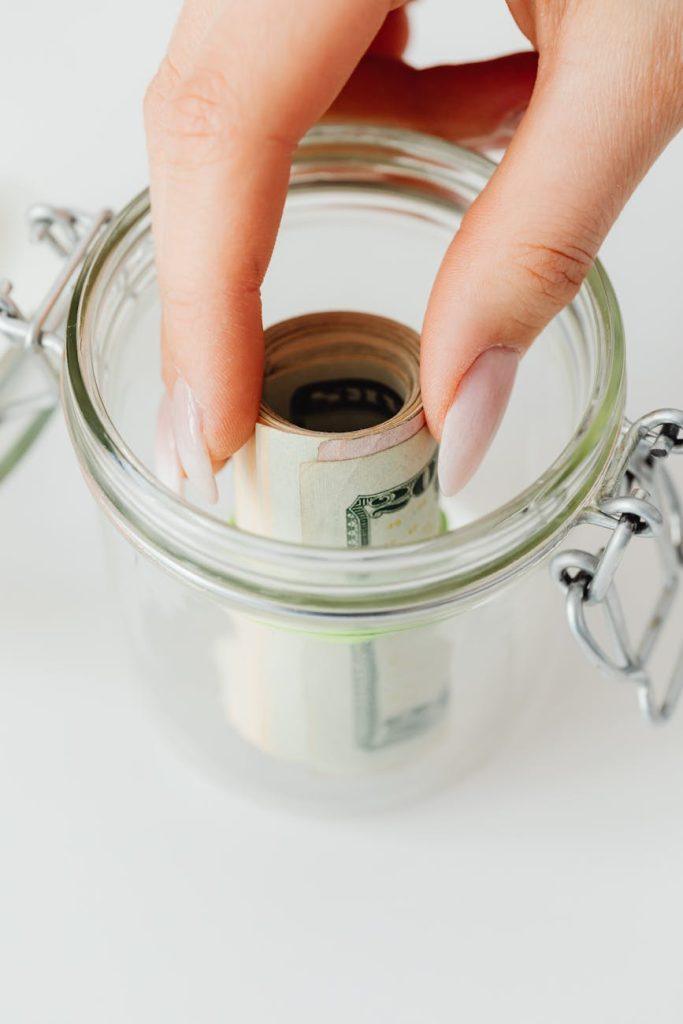

Before I could quantify the savings, I needed an accurate accounting of my previous spending habits. Most people underestimate the true cumulative cost of frequent beauty maintenance. It’s not just the single appointment; it’s the frequency, the add-ons, and the upkeep that compounds the expense.
Calculating the Monthly Maintenance Budget
My nail routine was fairly elaborate, consisting primarily of gel overlays or builder-in-a-bottle applications, which are more durable than standard polish but necessitate professional removal and reapplication.
Here is a breakdown of my typical monthly expenditure:
| Service Detail | Average Cost (USD) | Frequency | Monthly Subtotal |
|---|---|---|---|
| Gel Manicure (Service Only) | $65.00 | Bi-Weekly (2x per month) | $130.00 |
| Tip (20%) | $13.00 | Bi-Weekly (2x per month) | $26.00 |
| Removal Fee (If applicable) | $10.00 | Bi-Weekly (2x per month) | $20.00 |
| Emergency Fix/Nail Breakage Fee | $5.00 (Estimated) | Monthly Average | $5.00 |
| Total Monthly Expense | – | – | $181.00 |
This brought my dedicated monthly beauty budget for my hands to just over $180. While that number felt high, it was manageable when spread across two weeks.
The Annual Accumulation
The real shock came when I multiplied that monthly figure by twelve:
$$$181.00 text{ (per month)} times 12 text{ (months)} = mathbf{$2,172.00 text{ per year}}$$
Two thousand dollars. That was the cost of keeping my fingernails perpetually perfect. It was equivalent to a nice weekend getaway, a solid contribution to an emergency fund, or a significant chunk of my annual technology budget.
The Transition Period: Going Cold Turkey
Quitting the salon wasn’t easy. The first few weeks involved a noticeable psychological adjustment. My hands felt… naked. I was constantly examining them, waiting for the ingrained urge to book an appointment.
Managing the Initial Stage
The biggest hurdle wasn’t maintenance; it was the immediate aftermath of letting the artificial product wear off. Trying to peel off old gel or acrylic is damaging, so I committed to letting my last set grow out naturally, scheduling a final removal appointment, and then stopping entirely.
My first month off included:
- The Re-Education of Tools: I had to learn how to properly file and shape my natural nails—a skill I had outsourced for years. I invested in a quality glass nail file (my long-term replacement investment).
- The Cuticle Commitment: Without professional cuticle care, I incorporated a daily cuticle oil routine. This instantly made my natural nails look healthier and served as a satisfying, tangible beauty habit to replace the salon visit.
- Embracing Shorter Lengths: I accepted that my nails needed to be shorter for a while to allow the damaged tips to be filed away safely. Short, neat nails are far more practical than long, prone-to-breaking artificial ones.
The Natural Nail Renaissance
After about three months without maintenance, something remarkable happened: my natural nails became genuinely strong. The constant exposure to acetone and the pressure of artificial overlays had weakened them significantly. Once freed, they grew faster and thicker than they had in nearly a decade. They still required upkeep, but that upkeep cost virtually nothing.
Reallocating the Savings: Where the $2,172 Went
The most rewarding stage of this experiment wasn’t just seeing the bank statement—it was deciding what meaningful use that $2,172 should have. I designated the money saved into three primary categories: Self-Improvement, Practical Investments, and Pure Fun.
1. Self-Improvement and Home Upgrades
I decided that improving my long-term environment was a better investment than temporary finger decoration.
- High-Quality Filing Tools ($80): A set of professional-grade glass files and buffers.
- Ergonomic Desk Chair Upgrade ($400): Since I work from home frequently, better posture was a worthy financial trade-off.
- Online Course Enrollment ($350): I used this money to pay for a specialized certification course in my professional field.
Subtotal Reinvested: $830
2. The Investment Portfolio Boost
A significant portion of the savings went directly into my long-term financial goals, treating the salon budget as an automatic monthly deposit into my investment account.
- I set up an automatic transfer of $181 per month into my brokerage account, mirroring my old spending schedule. This kept the “it’s already gone” psychological trigger in place, but redirected it toward growth rather than depreciation.
Annualized Transfer: $2,172
3. The “Fun Money” Fund
It felt important not to become completely ascetic. A portion of the savings was allocated explicitly for experiences that felt more valuable than a two-hour appointment.
- A Spa Day (Excluding Mani/Pedi): I treated myself to a deep tissue massage—an experience that actually benefited my physical well-being more directly than the polish. ($150)
- “Treat Fund”: This amount was used guilt-free for nicer groceries, a new book every month, or upgrading my coffee beans.
The Surprising Non-Financial Benefits
While the financial tally is impressive, living without the dependency on frequent salon visits brought unexpected lifestyle improvements that far outweighed any dollar amount.
Regaining Time
My bi-weekly appointments consumed approximately two hours each, plus travel time there and back.
- Time Saved Per Month: $4$ hours (not including travel).
- Time Saved Annually: Nearly $48$ hours, or two full days.
This reclaimed time was spent reading, exercising, or simply enjoying quiet evenings instead of rushing to make my appointment window.
Reduced Chemical Exposure
I realized how much I disliked the strong, pervasive smell of the salon—a mix of acrylates, solvents, and polish removers. By eliminating these weekly chemical exposures, I felt better overall, especially concerning respiratory sensitivity.
Embracing Imperfection
Perhaps the biggest shift was mental. When your nails are perfect, every chip or imperfection feels like a disaster requiring immediate professional intervention. When your nails are natural, you develop a more forgiving attitude. A little filing, a coat of clear polish, and moving on became the new normal. It was liberating to stop chasing perfect, high-maintenance beauty standards.
Conclusion: Is the Trade-Off Worth It?
For the individual who views professional nail care as a necessary mental health break, the cost might indeed be worth it. But for those seeking to trim discretionary spending without feeling deprived, cutting the nail habit offers a massive return on minimal effort.
Stopping my bi-weekly gel appointments unlocked over $2,100 annually and granted me back two full days of personal time per year. The investment in my professional development, my long-term savings, and my own physical health felt tangible and lasting. My nails aren’t always flawless, but they are strong, healthy, and entirely mine—a beautiful symbol of financial freedom achieved through a simple lifestyle pivot.