
Expensive Skincare Isn’t Always Better: Unpacking Price vs. Results
- Deconstructing the High Cost of Skincare
- 1. The “Prestige Premium” and Marketing Spend
- 2. Concentration and Delivery Systems
- 3. Ingredient Volume vs. Ingredient Efficacy
- The Science of Effective Ingredients: Where the Real Value Lies
- The Power Trio: Proven Retinoids, Vitamin C, and Sunscreen
- 1. Retinoids (Vitamin A Derivatives)
- 2. Vitamin C (L-Ascorbic Acid)
- 3. Broad-Spectrum Sunscreen
- The Role of Hydrators and Barrier Support
- When Is Spending More Justified?
- 1. Formulation Sophistication for Sensitive Skin
- 2. Novel, Unpatented Active Ingredients
- 3. Texture and Experience
- How to Shop Smartly: The Ingredient-First Approach
- Strategy 1: Prioritize Actives, De-prioritize Exotics
- Strategy 2: The “Staple Rotation” Model
- Strategy 3: Read Reviews for Performance, Not Hype
- Conclusion
Beyond the Price Tag: Why Expensive Skincare Isn’t Always Better
In the shimmering aisles of beauty stores and the curated feeds of social media, there’s a pervasive myth: if a skincare product costs more, it must work better. We see luxurious packaging, exotic ingredients touted by celebrities, and staggering price tags, leading many consumers to believe that true efficacy lies at the premium end of the spectrum.
However, the reality of dermatology and ingredient science paints a very different picture. While high-end brands certainly can deliver exceptional results, linking cost directly to quality is often a flawed equation. Understanding what you are actually paying for—and what ingredients genuinely matter—can revolutionize your skincare routine without bankrupting your wallet.
Deconstructing the High Cost of Skincare

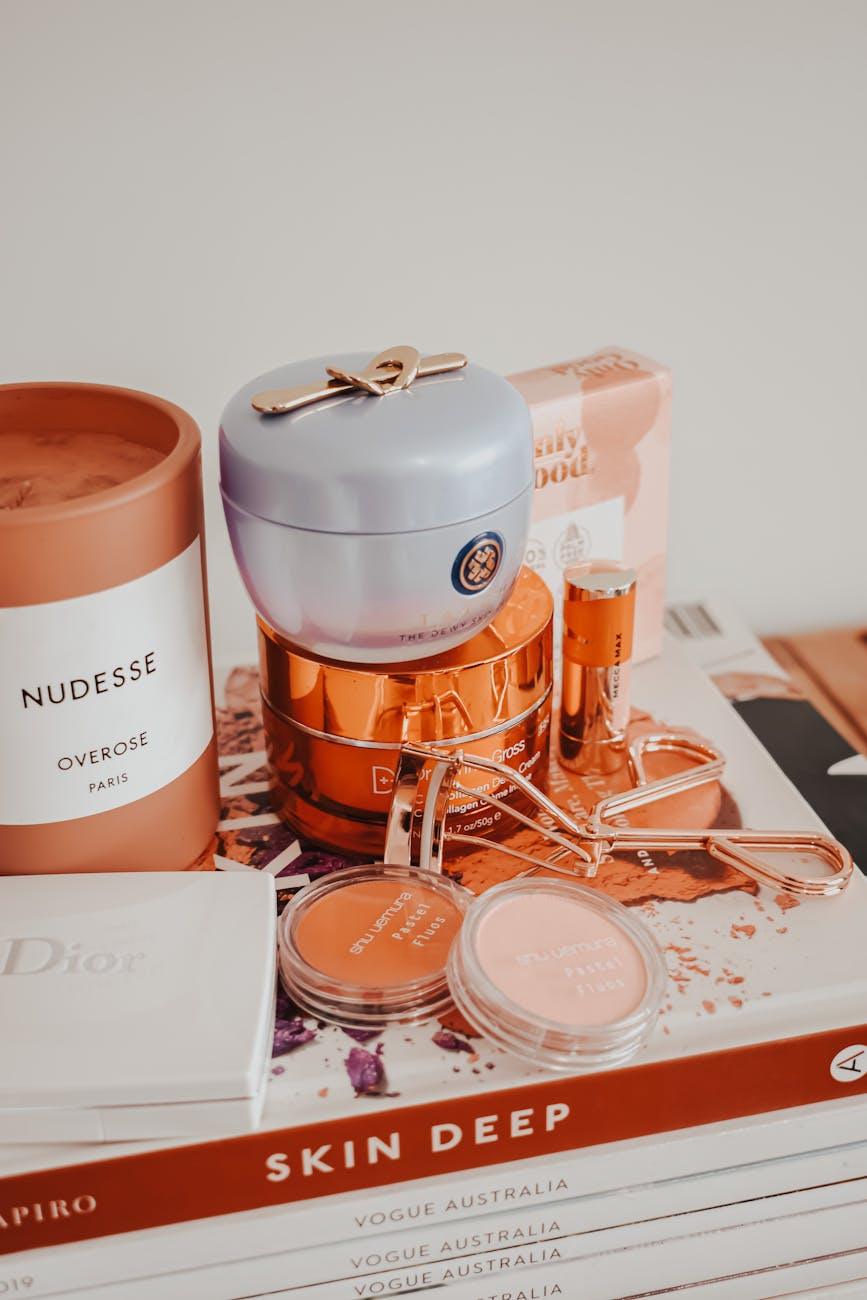
Why do some serums command hundreds of dollars while seemingly similar products sell for a fraction of the price? The cost of a skincare product is determined by several factors, most of which have little to do with its performance on your skin.
1. The “Prestige Premium” and Marketing Spend
A significant portion of a luxury product’s price goes toward branding, marketing, and perceived exclusivity. This includes:
- Celebrity Endorsements: Paying A-list personalities to feature a product is an enormous investment that gets passed directly to the consumer.
- Packaging and Presentation: Heavy glass jars, ornate silver caps, and sleek boxes look beautiful on a vanity, but they are expensive to produce, ship, and often contain more air than product.
- Retail Markup: Products sold in high-end department stores or exclusive boutiques carry higher retail markups to cover those locations’ overhead costs.
2. Concentration and Delivery Systems
Sometimes, a higher price does correlate with quality, but often it’s due to the formulation and delivery method, not just the raw ingredient itself.
- Patented Technology: Brands may use proprietary encapsulation technology to ensure sensitive ingredients (like certain forms of Vitamin C or Retinol) penetrate the skin effectively and remain stable. Developing these systems is costly.
- Ingredient Purity and Sourcing: While less common, certain rare botanical extracts or highly purified, pharmaceutical-grade versions of active compounds do cost more to source and process.
However, many affordable brands have now licensed or replicated these groundbreaking delivery systems, evening the playing field.
3. Ingredient Volume vs. Ingredient Efficacy
Consumers often see a long list of expensive ingredients on a luxury label and assume efficacy. The critical factor, however, is the concentration of the active ingredient and its position on the ingredient list.
In most regulatory environments, ingredients are listed in descending order of concentration. If a powerful ingredient like Niacinamide is listed seventh on a $150 serum, but third on a $30 serum, the cheaper one is likely providing a higher, more effective dose. The expensive serum might list trace amounts of exotic items purely for marketing appeal.
The Science of Effective Ingredients: Where the Real Value Lies
True skincare benefits are driven by scientifically proven active ingredients, regardless of the brand name or price tag. Focusing your budget on products that feature high concentrations of these proven players delivers exponentially better results than chasing trendy, unproven luxury components.
The Power Trio: Proven Retinoids, Vitamin C, and Sunscreen
There are core ingredients that dermatologists unanimously agree are the gold standard for anti-aging, texture improvement, and protection. These are available across all price points.
1. Retinoids (Vitamin A Derivatives)
Retinoids speed up cell turnover, boost collagen production, and treat acne.
- High-Tier Example: A prescription-strength Tretinoin or a high-concentration encapsulation from a specialized brand.
- Budget Equivalent: Over-the-counter Retinol or Retinaldehyde products from drugstores or mid-range clean beauty lines often use stable, effective concentrations that yield significant results with consistent use. The difference might be in the accompanying soothing agents, not the retinoid itself.
2. Vitamin C (L-Ascorbic Acid)
This powerful antioxidant brightens skin, fades hyperpigmentation, and protects against free radical damage. Stability is key, which is why pure L-Ascorbic Acid is expensive to formulate correctly.
- High-Tier Focus: Brands that specialize in stabilizing high concentrations (15-20%) of L-Ascorbic Acid.
- Budget Focus: Many excellent serums use Vitamin C derivatives (like THD Ascorbate or Magnesium Ascorbyl Phosphate), which are more stable and extremely effective at lower costs, often found within established drugstore brands.
3. Broad-Spectrum Sunscreen
This is the most crucial anti-aging product. Efficacy here is measured by broad-spectrum protection (UVA/UVB) and a high SPF rating (30 or higher).
- The Rule: Sunscreen efficacy is dictated by regulatory testing, not cost. A $15 drugstore sunscreen that meets the required specifications is functionally identical to a $60 designer sunscreen in terms of protection factor. Paying more often just covers fancier textures or specific tinting.
The Role of Hydrators and Barrier Support
Ingredients crucial for maintaining the skin barrier, reducing transepidermal water loss, and providing immediate hydration generally do not require a high price tag.
- Hyaluronic Acid (HA): While formulations vary in molecular weight, good HA serums or moisturizers are widely available from affordable brands.
- Ceramides: These lipids, essential for barrier repair, are now standard in many mid-range and drugstore moisturizers formulated with damaged or sensitive skin in mind.
- Niacinamide (Vitamin B3): Excellent for minimizing pores, controlling oil, and reducing redness, Niacinamide is incredibly effective, even at modest concentrations, and is heavily featured in affordable lines.
When Is Spending More Justified?
While efficacy isn’t exclusively tied to price, there are specific instances where investing in a higher-priced product can provide a marginal—or sometimes necessary—benefit.
1. Formulation Sophistication for Sensitive Skin
If you have highly reactive, allergic, or compromised skin, the research and testing required to formulate a product that is both potent and non-irritating is substantial. Brands specializing in clinical or sensitive skincare often charge more for rigorous patch testing and the use of high-purity, hypoallergenic stabilizers instead of common preservatives or fragrances.
2. Novel, Unpatented Active Ingredients
If a brand is the first to isolate and introduce a brand-new, scientifically complex ingredient (e.g., a new peptide complex or unique plant stem cell extract), the initial research and development costs necessitate a higher price tag until the technology becomes generic or widely adopted.
3. Texture and Experience
For many people, the ritual of skincare is as important as the result. A $150 moisturizer might absorb instantly, smell subtly sophisticated, and feel decadent upon application. This enhanced sensory experience contributes to compliance—using your products consistently—which ultimately impacts results. If paying more ensures you enjoy the process and use the product daily, it can be a justifiable expense for you.
How to Shop Smartly: The Ingredient-First Approach
To maximize your budget and results, shift your focus from the brand name to the ingredient deck.
Strategy 1: Prioritize Actives, De-prioritize Exotics
Identify the 2-3 active ingredients necessary for your skin goals (e.g., anti-aging, clarity) and search for products that list these ingredients high on the label at effective concentrations. For supporting roles like hydration or soothing, choose the most affordable option that feels good on your skin.
Strategy 2: The “Staple Rotation” Model
Allocate your budget strategically:
| Product Type | Budget Allocation | Justification |
|---|---|---|
| Vitamin C Serum | High/Medium | Needs stable, effective delivery system. |
| Retinoid | High/Medium | Potent active requiring careful formulation. |
| Daily Moisturizer | Low/Medium | Focus on barrier support (Ceramides, HA). |
| Sunscreen | Low | Efficacy is standardized; focus is on wearability. |
| Cleanser | Low | Minimal contact time; focus on gentle cleansing. |
Strategy 3: Read Reviews for Performance, Not Hype
Look for detailed reviews that mention how a product performs over several weeks—does it pill? Does the packaging break? Does it cause irritation? Ignore reviews that focus solely on the luxurious feel or the aspirational lifestyle associated with the brand.
Conclusion
The beauty industry thrives on aspiration, convincing us that better skin requires a bigger investment. While genuinely high-quality formulation justifies a premium price in niche areas, the core building blocks of healthy, beautiful skin—proven actives like Retinol, Vitamin C, and reliable SPF—are accessible across nearly every price tier.
By becoming an informed consumer who reads ingredient lists instead of just price tags, you can confidently build a powerhouse routine that delivers superior results, proving that efficacy is rooted in science, not just luxury marketing.