
Build a Stylish Budget Wardrobe Without Looking Cheap.
- Phase 1: The Wardrobe Audit and Mindset Shift
- Declutter Ruthlessly
- Embrace the Capsule Mentality
- Phase 2: Strategic Shopping: Where to Spend and Where to Save
- The 80/20 Rule for Investment
- The 80%: Where High Quality Matters
- The 20%: Where to Save Sensibly
- Mastering Secondhand Luxury and Vintage
- Phase 3: The Appearance of Quality: Tailoring and Care
- The Tailor Is Your Best Friend
- Clothes Care as Cost Control
- Focus on Hardware and Finishings
- Conclusion: Intentionality Over Impulse
How I Built a Wardrobe on a Budget Without Looking Cheap
The dream of a fully curated wardrobe filled with timeless, high-quality pieces often clashes with the reality of our bank accounts. We’re frequently presented with two undesirable options: buy fast fashion that falls apart after three washes, or invest heavily in designer labels that drain our savings.
But what if I told you that building a stylish, durable wardrobe on a strict budget isn’t just possible—it’s about strategy, patience, and knowing where to invest your limited funds?
Over years of transitioning from impulse buying to intentional purchasing, I’ve honed a system that allows me to maintain a polished, sophisticated look without compromising my financial goals. This isn’t about deprivation; it’s about making smarter choices. Here is my blueprint for cultivating a high-quality wardrobe without racking up debt.
Phase 1: The Wardrobe Audit and Mindset Shift
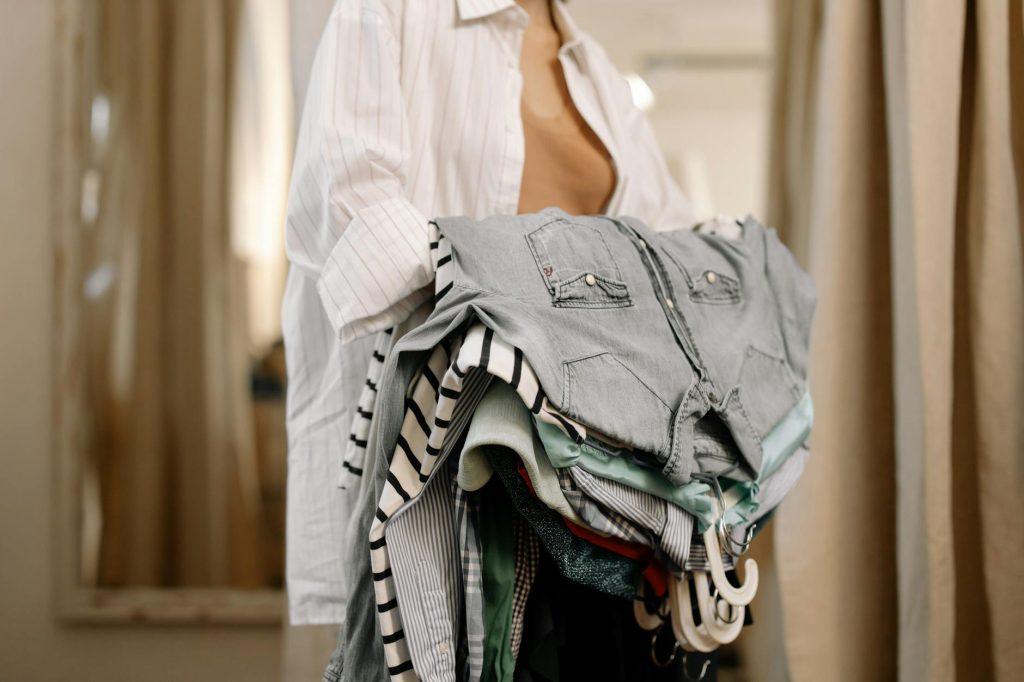

The first step to saving money is understanding what you already own and, more importantly, understanding why you shop.
Declutter Ruthlessly
Before buying anything new, you must confront your current clothing situation. A cluttered closet leads to impulse buys because you feel like you have nothing to wear.
- The Three Piles: Sort everything into Keep, Donate/Sell, and Repair/Mend. Be honest. If you haven’t worn it in a year, or if it requires significant alterations you haven’t gotten around to, it needs to go.
- Identify the Gaps: Once you’ve decluttered, the remaining items will clearly show where your wardrobe is weak. Do you have ten nice tops but zero reliable black trousers? Do you lack a versatile jacket for transitional weather? These gaps become your shopping list.
Embrace the Capsule Mentality
The secret to looking expensive is cohesion, and cohesion comes from limiting your options rather than expanding them endlessly. A capsule wardrobe is built around a core collection of versatile pieces that all mix and match seamlessly.
- Color Palette: Stick to a restrained core palette (e.g., navy, black, grey, white, beige) and introduce 1-2 accent colors that flatter your complexion. When everything works together, you look intentional, not accidental.
- Quality Over Quantity: Shift your focus from wanting more items to wanting better items that perform multiple roles. One excellent cashmere blend sweater is better than three acrylic ones that pill instantly.
Phase 2: Strategic Shopping: Where to Spend and Where to Save
This is where budget-conscious style truly shines. You must become an expert at distinguishing between true value and temporary trends.
The 80/20 Rule for Investment
I live by dedicating 80% of my budget to items that require durability and timelessness, and only 20% to trend-driven pieces.
The 80%: Where High Quality Matters
These are the foundation pieces that take the most wear and tear. Paying slightly more here means they last longer, saving you money in the long run. Think cost-per-wear.
| Category | Why Invest (Even a Little More) | Budget Strategy |
|---|---|---|
| Outerwear | Coats and jackets define your silhouette. They must look sharp. | Look for wool blends, quality lining, and strong tailoring in classic cuts (trench, blazer). Buy sparingly—a great coat can last decades. |
| Footwear | Nothing screams “cheap” louder than worn-out, ill-fitting shoes. | Focus on leather or quality vegan alternatives. Prioritize comfort; if shoes hurt or slouch, they look sloppy. |
| Denim/Trousers | These do the heavy lifting in a daily wardrobe. | Seek out natural fibers (cotton, wool blends). Look for proper structure; avoid stretch denim that loses its shape quickly. |
| Knitwear | Softness and appearance matter immensely with sweaters. | Prioritize natural fibers like merino or cotton blends over 100% synthetics. They drape better and resist odors. |
The 20%: Where to Save Sensibly
Use your savings for items that will likely be replaced due to trends or excessive washing.
- T-shirts and Basics: Simple cotton tees are fine to purchase affordably, provided the cotton feels substantial and the fit is excellent.
- Seasonal Accessories: Scarves, trendy costume jewelry, or fashionable headbands can be sourced cheaply, as their lifespan is often dictated by current trends anyway.
- Fast-Fashion “Test Drives”: If you are unsure about adopting a new silhouette (like high-waisted wide-leg pants), buy one affordable version first to see if it truly suits your body and lifestyle before investing heavily.
Mastering Secondhand Luxury and Vintage
The single greatest hack for building a high-end look on a budget is shopping secondhand. You get better materials (often from decades past when quality was standard) at a fraction of the original retail price.
- Thrifting Techniques: Know your fabric labels. Look for real wool, silk, linen, Egyptian cotton, and sturdy leather. Ignore the size on the tag; assess the actual fit.
- Online Consignment: Sites like Poshmark, The RealReal, eBay, and Vestiaire Collective are goldmines for designer bags, jackets, and shoes that have only been worn once or twice. Search for specific, timeless brands known for their construction.
- The Condition Check: When buying used, especially outerwear and bags, examine the seams, zippers, and the lining. A small stain might be manageable, but a broken zipper or severely separated lining usually isn’t worth the hassle.
Phase 3: The Appearance of Quality: Tailoring and Care
A $30 shirt that is perfectly tailored will always look more expensive than a $300 shirt that hangs improperly on your frame. This is the ultimate secret the wealthy use, and it’s entirely accessible to those on a budget.
The Tailor Is Your Best Friend
If you take nothing else away from this guide, internalize this: Always budget for tailoring.
- Hemming: Pants and skirts should break perfectly where they meet your shoe or ankle. Too long, and they look sloppy; too short, and they look like a mistake.
- Shoulders and Sleeves: For blazers and structured tops, the shoulder seam must hit exactly where your natural shoulder ends. Sleeves should typically hit the wrist bone. An ill-fitting shoulder is impossible to fix affordably.
- Taking In: Budget blouses or dresses that are slightly boxy can often be taken in at the side seams for a tailored, modern silhouette.
The upfront cost of $20-$50 for altering a key item pays dividends in how often you wear it and how good you look in it.
Clothes Care as Cost Control
Poor washing and drying habits destroy fabric integrity, making expensive items look cheap quickly. You are actively sabotaging your investment if you neglect care.
- Laundry Discipline: Read the tags. Hand-wash delicates (like silk tops or thin knits) in cold water with a gentle detergent. Use sweater bags for delicate items.
- The Dryer is the Enemy: Heat breaks down elasticity and causes shrinkage. Air-dry anything that isn’t strictly necessary (like heavy cotton towels).
- De-Pilling and Steaming: Invest in a good fabric shaver to remove pilling from sweaters so they look freshly bought. Use a steamer instead of an iron for daily touch-ups. Wrinkled clothes look tired, regardless of their price tag.
Focus on Hardware and Finishings
The small details elevate a basic outfit. When assessing an item’s quality, look beyond the fabric itself:
- Zippers: Are the zippers sturdy, metal (or high-quality resin), and do they glide smoothly? Cheap plastic hardware immediately lowers the perceived value.
- Buttons: Are the buttons cheap plastic discs, or do they look like horn, wood, or metal? If buttons are flimsy, budgeting $5 to replace them immediately is a worthy upgrade.
- Lining: For blazers, coats, or skirts, quality lining ensures the garment drapes correctly and smoothly over your underlayers.
Conclusion: Intentionality Over Impulse
Building a chic, enduring wardrobe on a budget is less about finding one specific “secret sale” and more about a consistent, intentional approach. It requires patience to wait for the right secondhand find, discipline to save for a quality staple piece, and dedication to caring for what you own.
By focusing on timeless core pieces, mastering the art of tailoring, and leveraging the ecosystem of quality secondhand goods, you can bypass the fast-fashion cycle entirely. The result? A wardrobe that looks curated, sophisticated, and expensive—all without emptying your wallet.