
Quit Fast Fashion: How Sustainable Shopping Saved My Wallet
- The Hidden Costs of “Cheap” Clothing
- 1. The Cost Per Wear (CPW) Nightmare
- 2. The Replenishment Cycle
- 3. The Psychological Tax of Decision Fatigue
- My Transition to Slow Style: Where the Savings Began
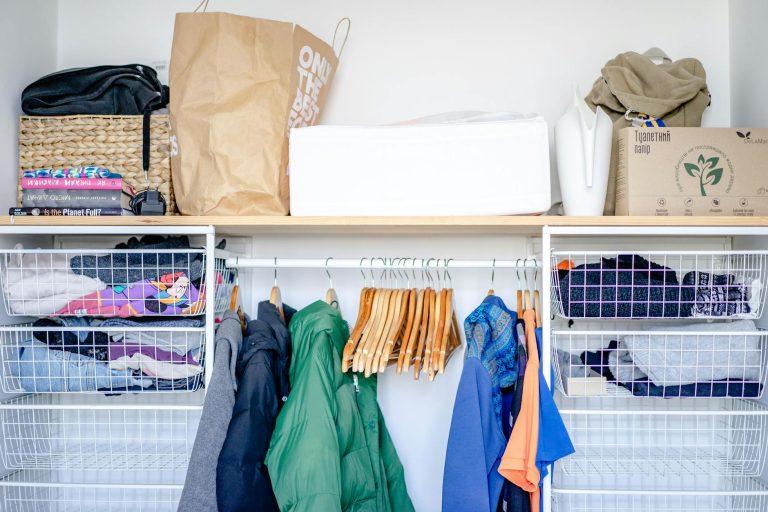
- Phase 1: The Closet Cleanse and Audit
- Phase 2: Embracing Pre-Loved Pieces
- Phase 3: The Intentional Investment Strategy
- Beyond the Purchase Price: Unforeseen Financial Gains
- 1. Reduced Impulse Spending
- 2. Mastery Over Maintenance Costs
- 3. The Value of Time
- Conclusion: Style Stability is Financial Stability
I Stopped Shopping Fast Fashion and My Wallet Thanked Me: The Unexpected Financial Perks of Slowing Down Your Style
The allure of fast fashion is powerful. Trendy pieces at unbelievably low prices, an endless stream of new arrivals, and the immediate gratification of a cheap, stylish haul—it’s an intoxicating cycle. For years, I was deeply embedded in this world. My closet overflowed with clothes I rarely wore, perpetually chasing the latest micro-trend that would inevitably fade by next month.
But the environmental guilt, the questionable labor practices, and, perhaps most surprisingly, the persistent feeling of never having anything to wear, eventually prompted a drastic audit of my spending habits. I decided to break up with fast fashion for good.
What I didn’t anticipate was the profound positive impact this lifestyle shift would have, not just on my conscience and my wardrobe curation, but directly on my bank account. Cleaning out my shopping addiction was one of the best financial decisions I’ve ever made.
The Hidden Costs of “Cheap” Clothing

We’ve all heard the adage, “If something seems too good to be true, it probably is.” This applies perfectly to that $15 dress or $8 top. While the upfront cost is low, the long-term financial equation of fast fashion is often disastrously unbalanced.
1. The Cost Per Wear (CPW) Nightmare
The concept of Cost Per Wear (CPW) is the ultimate reality check for any shopper. It’s calculated simply as: Total Cost / Number of Times Worn.
When you buy a fast fashion item for $20 and wear it three times before it rips, shrinks, or falls out of style, your CPW is approximately $6.67.
By contrast, a higher-quality timeless white t-shirt purchased for $50 but worn 100 times over five years yields a CPW of $0.50. The initial sticker shock fades quickly when you realize you are paying exponentially more every time you put on that cheap garment.
2. The Replenishment Cycle
Fast fashion encourages volume over quality. These items are engineered to degrade quickly, meaning you have to replace them sooner.
- Fading and Shrinkage: That vibrant color is gone after three washes.
- Pilling and Seam Stress: The fabric construction simply cannot handle regular use.
- Trend Obsolescence: Even if it survives physically, if it’s no longer “in,” it gets relegated to the donation pile, forcing you back to the store months later to buy the replacement trend.
This constant need for replacement creates a recurring drain on your finances that a smaller wardrobe of durable pieces avoids entirely.
3. The Psychological Tax of Decision Fatigue
Buying ten mediocre items to find one you like is psychologically draining and financially inefficient. I realized all those impulse buys, the items that didn’t quite fit right, or the pieces bought just because they were cheap, were essentially sunk costs. I spent money on items that offered zero utility or joy.
My Transition to Slow Style: Where the Savings Began
Quitting fast fashion didn’t mean buying a whole new wardrobe of luxury sustainable brands overnight. That would have been financially irresponsible. My transition was gradual, intentional, and built around strategic investment and creative reuse.
Phase 1: The Closet Cleanse and Audit
The first major financial win came before I even spent a dollar on new clothing.
- The Forced Inventory: I pulled every single item out of my closet. This exercise immediately highlighted massive redundancy (I owned seven nearly identical black camisoles).
- The Sale: I used platforms like Poshmark and Depop to sell gently used, unworn, or barely worn fast fashion pieces. While I recouped only a fraction of the original cost, this initial cash injection (around $300) served as my “Slow Fashion Fund” for future, more considered purchases.
- The Gap Analysis: By seeing what I kept versus what I discarded, I identified true wardrobe gaps (e.g., a quality wool coat, well-fitting denim) rather than filling perceived gaps created by marketing hype.
Phase 2: Embracing Pre-Loved Pieces
The most immediate and substantial financial benefit came from shifting my primary shopping channel away from new retail to high-quality secondhand stores.
The Secondhand Superpower:
- Thrifting Magic: Visiting local consignment shops and high-end charity stores allowed me to find items made with superior materials (like real silk, cashmere blends, or heavier cotton) at a fraction of their original retail price. Finding a cashmere sweater for $35 instead of $200 is a direct saving.
- Online Resale Platforms: For specific brands I knew were well-made (but still too expensive retail), platforms like The RealReal or even eBay offered them deeply discounted but authenticated.
My “new outfit” budget suddenly stretched three or four times further than it did in the fast fashion realm.
Phase 3: The Intentional Investment Strategy
Once I had reduced consumption dramatically, I could finally allocate a reasonable, budgeted amount toward high-quality staples that had genuinely low CPW.
Instead of buying five $25 sweaters that might last one winter, I saved up for one $125 merino wool sweater.
| Investment Target | Fast Fashion Habit (Annual Cost) | Slow Fashion Habit (Annual Cost) | Annual Savings |
|---|---|---|---|
| Outerwear | Buying 2 trendy jackets ($100 each) = $200 | Buying 1 quality coat (secondhand) = $150 | $50 |
| Knitwear | Buying 5 acrylic sweaters ($30 each) = $150 | Buying 1 quality wool blend ($100) = $100 | $50 |
| Tops/Basics | Buying 10 cheap tees ($15 each) = $150 | Buying 4 high-quality organic tees ($40 each) = $160 | Still comparable, but quality increases lifespan |
| Total Estimated Annual Savings | $500 | $410 | Approx. $90+ (and significantly better quality) |
Note: The true savings multiply over time as the higher-quality items don’t need replacement nearly as often.
Beyond the Purchase Price: Unforeseen Financial Gains
The financial benefits weren’t limited just to the clothing budget itself. My entire relationship with consumption shifted, leading to broader financial advantages.
1. Reduced Impulse Spending
Fast fashion operates on manufactured urgency (“limited stock!” or “sale ends tonight!”). By removing these stores and apps from my frequent rotation, I eliminated the primary source of my emotional or habit-based impulse purchases. The anxiety around needing the “next thing” dissolved, freeing up mental energy and actual cash.
2. Mastery Over Maintenance Costs
Poorly made clothing often requires more complicated care or professional services.
- Dry Cleaning Bills: Cheap synthetic fabrics often need dry cleaning, which adds up significantly. Better quality natural fibers often require simple handwashing or spot cleaning.
- Repairs vs. Replacement: When a seam rips on a $5 garment, we toss it. When a seam rips on a $100 investment piece, we take it to the tailor. Learning basic mending (or finding an affordable local tailor) extends the item’s life, costing pennies in supplies versus dollars in replacement.
3. The Value of Time
Time spent scrolling through endless online stores, returning ill-fitting items, or frantically searching for something to wear to an event is time lost. My shopping process became deliberate: identify need, search high-quality/secondhand sources, purchase, and move on. This streamlined process saved hours every month—time I could dedicate to income-generating activities or personal development.
Conclusion: Style Stability is Financial Stability
Switching from fast fashion to a slower, more intentional approach to clothing was an economic liberation I hadn’t anticipated. The initial hurdle—the mental adjustment away from instant gratification—was worth overcoming.
My wardrobe is now smaller, yet higher utility. I spend less money annually on clothing maintenance and replacement, and the money I do spend goes toward garments that hold their value and offer genuine satisfaction every time I wear them.
By applying the Cost Per Wear metric and prioritizing quality over quantity, I transformed my closet from a revolving door of financial drain into a curated collection that actively supports my financial health. My wallet, much like my favorite pair of well-worn denim, is much happier and significantly better constructed for the long haul.