
Best Designer Pieces Worth Saving For: Luxury on a Budget
- The Philosophy of Investment Buying
- Durability Meets Timelessness
- The Cost-Per-Wear Calculation
- The Big Three: Designer Categories That Always Justify the Splurge
- 1. Handbags and Leather Goods
- Why Invest in Designer Bags?
- 2. Outerwear: Coats and Jackets
- Why Invest in Designer Outerwear?
- 3. Fine Footwear
- Why Invest in Designer Footwear?
- The “Optional” Luxury Investments (Secondary Tier)
- Jewelry: Solid Gold Over Plated
- Fine Knitwear: Cashmere and Merino
- How to Shop Strategically: Making the Savings Plan
- 1. Define Your “Hero Piece”
- 2. Leverage the Resale Market (The Smart Way)
- 3. Monitor Sales Cycles
- Conclusion: The Value of Intentional Acquisition
Luxury on a Budget: Designer Pieces Actually Worth Saving For
The allure of luxury is undeniable. That perfect leather handbag, the flawlessly tailored coat, the timeless watch—these pieces often represent craftsmanship, heritage, and a certain je ne sais quoi that fast fashion simply cannot replicate.
However, the price tag attached to true luxury can feel insurmountable. Does embracing quality mean draining your savings account? Not necessarily. The key to building a curated, high-quality wardrobe lies in strategic investment. Not every designer item is created equal, and some items, due to their enduring design, superior construction, or material quality, offer a far better long-term value proposition than others.
This guide illuminates the designer categories where saving your money truly pays dividends, resulting in pieces you’ll cherish for decades, not just seasons.
The Philosophy of Investment Buying

Before delving into specific items, it’s crucial to understand why certain designer pieces are worth the saving effort. Investment buying is fundamentally different from impulse purchasing.
Durability Meets Timelessness
A true investment piece must satisfy two main criteria:
- Superior Construction and Materials: This is where the price difference is justified. Higher-end brands often use full-grain leather, tightly woven natural fibers (like virgin wool or high-grade cashmere), and meticulous stitching techniques that withstand the rigors of daily life. They are built to last.
- Timeless Design: Trends fade; icons remain. An investment piece should transcend fleeting fashion moments. Think of recognizable silhouettes that have been in production, largely unchanged, for 30 years or more.
The Cost-Per-Wear Calculation
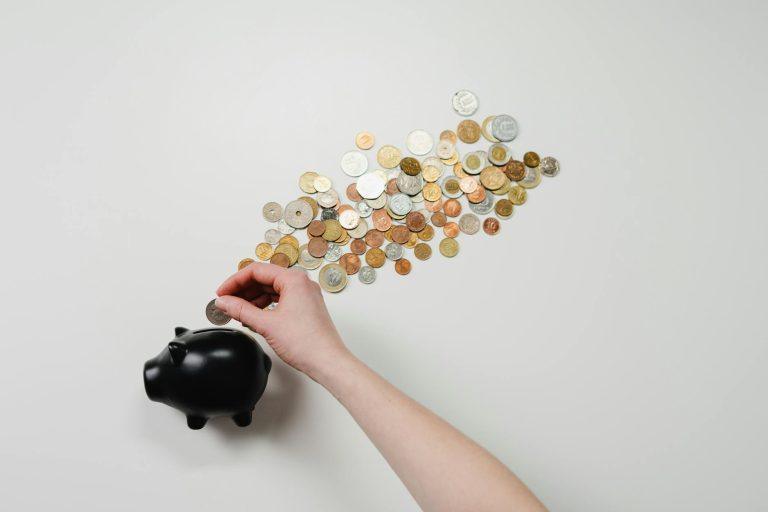
While the initial outlay for a luxury item might be high, its “cost-per-wear” (CPW) over its lifespan is often astonishingly low. A $2,500 coat worn 150 times over 15 years costs you roughly $16.67 per wear. A $150 fast-fashion coat that falls apart after two seasons costs $75 per wear—and contributes to landfill waste. Quality always wins the CPW marathon.
The Big Three: Designer Categories That Always Justify the Splurge
When allocating your luxury budget, focus your savings energy on three categories where the quality gap between high-street and high-end is most pronounced: Leather Goods, Outerwear, and Footwear.
1. Handbags and Leather Goods
A handbag is often the first collectible luxury item people purchase. Here, the difference in material sourcing and construction is monumental.
Why Invest in Designer Bags?
- Leather Quality: Budget bags often utilize treated, bonded, or corrected grain leather, which cracks, scuffs badly, and degrades quickly. Heritage brands use vegetable-tanned, full-grain, or exotic leathers that develop a beautiful, unique patina (wear and tear that adds character) over time.
- Hardware Durability: Cheap bags use plated metals that chip or peel to reveal base metal. Luxury bags use solid brass or gold-plated components that maintain their luster.
- Structure and Lining: High-quality bags retain their shape even when empty, thanks to internal construction techniques. Linings are often durable canvas, suede, or microfibers, not flimsy synthetic fabrics.
Examples Worth Saving For:
- The Classic Tote/Everyday Bag: A structured, medium-sized tote from Hermès (Birkin/Kelly, if your budget stretches significantly further), Louis Vuitton (Neverfull or Speedy), or Celine (Luggage or Trapeze). These designs are so iconic they retain resale value.
- The Crossbody Workhorse: A Chanel Classic Flap (though notoriously high-priced, it’s a benchmark) or a high-quality, versatile bag from brands like Loewe or Saint Laurent. Look for neutral colors (black, tan, navy) for maximum utility.
A Caveat: Avoid highly seasonal designer bags with excessive logos or trendy shapes. If the design relies solely on a logo or current color trend, it will date quickly, diminishing its investment value.
2. Outerwear: Coats and Jackets
Outerwear is the category where material quality directly correlates with wearability and longevity. A poorly made coat simply won’t keep you warm or survive multiple dry cleanings.
Why Invest in Designer Outerwear?
- Fiber Content: Budget coats often use synthetic blends or low-grade wool mixes. Investment coats utilize high percentages of virgin wool, cashmere, alpaca, or high-tech textile engineering (like Gore-Tex integrated into tailored pieces). Blends of 80% wool or higher are essential.
- Tailoring and Lining: A luxury coat is fully lined, often featuring techniques like canvassing in the collar and shoulders, allowing the garment to drape perfectly without wrinkling or losing shape. The seams are finished flawlessly.
- The Fit: A perfectly tailored coat in a classic silhouette (the trench, the pea coat, the single-breasted overcoat) instantly elevates any outfit, even jeans and a t-shirt.
Examples Worth Saving For:
- The Cashmere or Wool Overcoat: Look to Italian powerhouses like Max Mara (especially their iconic Teddy Coat or 101801 styles) or British heritage brands like Burberry for their classic trench coats. These coats are built to last 20+ years with proper care.
- The Premium Leather Jacket: Investment leather jackets (like classic moto styles from Schott or Saint Laurent) use lambskin or cowhide that softens beautifully with wear, resisting cracking far better than cheaper alternatives.
3. Fine Footwear
While shoes are often subjected to the harshest wear, investing in high-quality construction here prevents pain, discomfort, and frustrating early breakdowns.
Why Invest in Designer Footwear?
- Construction Methods: Higher-end shoes often use durable construction methods like Goodyear welting (especially for boots or dress shoes). This is a stitching method that allows the sole to be completely replaced multiple times without damaging the upper structure. Budget footwear is often glued (cemented construction), which is cheaper to produce but impossible to repair effectively.
- Soles and Insoles: Investment shoes use high-quality leather soles that breathe, or durable rubber alternatives that stand up to weather. The footbed is usually constructed to mold to your foot over time.
Examples Worth Saving For:
- The Timeless Boot: A classic leather ankle boot or riding boot from brands known for leatherwork, such as Tod’s, Church’s, or classic Dr. Martens (where the higher-quality lines use better leather).
- The Essential Flat or Loafer: For comfortable elegance, brands like Ferragamo or Gucci focus intensely on fit and the quality of the internal structuring, making them far more wearable for all-day use than lower-cost imitations.
The “Optional” Luxury Investments (Secondary Tier)
While the Big Three offer the most drastic improvement in quality, the following categories can offer smart investments if you prioritize their craftsmanship over passing trends.
Jewelry: Solid Gold Over Plated
This is one area where skipping the designer “label” and focusing purely on material quality is key.
- The Investment Rule: Avoid anything plated (gold flash over base metal). Invest instead in solid sterling silver or, ideally, 14k or 18k gold jewelry. Gold retains value intrinsically.
- Focus on Simple Chains and Studs: A pair of decent diamond or cultured pearl studs, or a simple, quality gold chain necklace, will never require replacing if purchased correctly. Designer jewelry houses often mark up these basic items exponentially; comparison shopping with high-end local jewelers is often wiser here.
Fine Knitwear: Cashmere and Merino
Knitwear is notoriously difficult to make well inexpensively without sacrificing softness or durability.
- The Metric: Look for 100% pure cashmere or extra-fine Merino wool compositions. A high-quality cashmere crewneck or cardigan from the same factories that supply major luxury houses (often found under slightly simpler labels) will resist pilling far longer than a budget cashmere-blend.
- The Styling: Stick to the core colors—oatmeal, heather grey, navy, and black—to maximize versatility.
How to Shop Strategically: Making the Savings Plan
Saving for a true luxury item requires a disciplined approach focused on research and patience.
1. Define Your “Hero Piece”
Avoid the urge to buy ten good things; save for one great thing. Decide which item will offer the greatest utility and joy based on your lifestyle. Is it a bag you’ll use daily? A coat you’ll wear every winter? Focus all your luxury savings there.
2. Leverage the Resale Market (The Smart Way)
The second-hand luxury market is robust and can significantly lower the barrier to entry without sacrificing quality.
- Pre-Owned Platforms: Websites specializing in authenticated pre-owned luxury items (like The RealReal or Vestiaire Collective) allow you to purchase pieces that have already absorbed the initial depreciation hit.
- Condition Report: Always prioritize an item listed in “Excellent” or “Like New” condition if buying pre-owned, especially for leather goods and outerwear.
3. Monitor Sales Cycles
While flagship items rarely see dramatic discounts, end-of-season sales (often January and July) are the best time to snag beautiful outerwear, knitwear, or entry-level footwear from primary retailers at 30% to 50% off.
Conclusion: The Value of Intentional Acquisition
Luxury on a budget isn’t about finding cheap designer goods; it’s about recognizing true intrinsic quality and aligning your spending with items that offer enduring aesthetic and structural value. By concentrating your savings on foundational categories like superior leather goods, impeccable outerwear, and well-constructed footwear, you transition from being a consumer of fleeting trends to a curator of a truly lasting wardrobe. These are the pieces that not only look better today but will still look incredible a decade from now.