
Savvy Packing Strategy to Avoid Expensive Checked Bag Fees
- H2: The Philosophy: Why We Overpack (And Why We Must Stop)
- H3: The 80/20 Rule of Travel Gear
- H2: Gear Selection: The Foundation of Fee-Free Travel
- H3: The Ideal Carry-On Dimensions
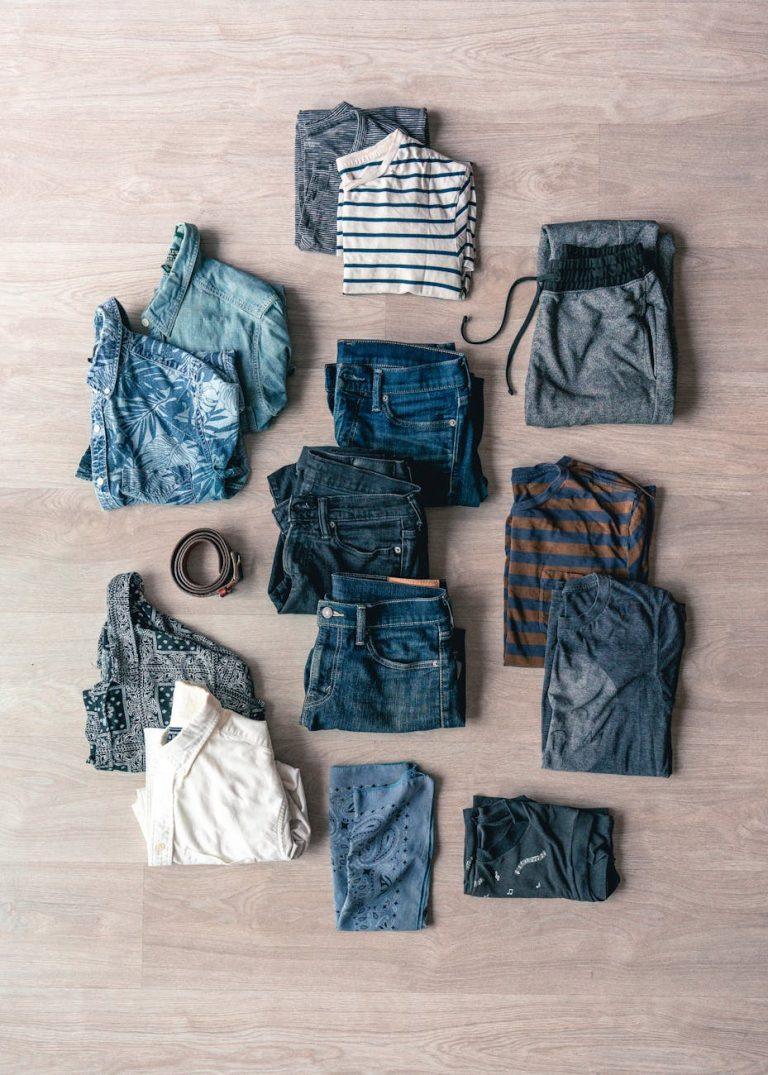
- H3: Mastering the Clothing Capsule Wardrobe
- H2: The Packing Methodology: Compression and Organization
- H3: Embrace Compression Packing Cubes
- H3: The Strategic Use of Rolling vs. Folding
- H3: The Void Fill Technique
- H2: Decoupling Liquids and Toiletries
- H3: Solid Over Liquid Rule
- H3: The TSA 3-1-1 Compliance (and Beyond)
- H2: The Airport Final Check: Mastering the Personal Item
- H3: Strategic Deployment of Bulky Items
- H3: Utilizing Pocket Space
- Conclusion: The Freedom of Light Travel
The Packing Strategy That Saves Me Checked Bag Fees: Mastering the Art of Carry-On Travel
For many travelers, the biggest hurdle before a trip isn’t the jet lag; it’s the creeping dread of checked bag fees. In an era where airlines seemingly nickel-and-dime every aspect of the travel experience, avoiding the baggage carousel has become both an aspiration and a financial necessity.
Over years of international travel, regional hops, and everything in between, I have refined a specific packing methodology that allows me to travel comfortably for weeks—sometimes months—using only a carry-on bag and a personal item. This isn’t about squeezing into a novelty-sized suitcase; it’s about strategic minimalism and understanding the true purpose of your luggage.
This guide breaks down the exact strategy, from choosing the right gear to mastering the art of the rolling fold, designed to keep you light, agile, and most importantly, fee-free.
H2: The Philosophy: Why We Overpack (And Why We Must Stop)

The fundamental problem with checking a bag is that it removes the perceived necessity of discipline. When you have 50 pounds of space, you bring five pairs of shoes “just in case.” The transition to carry-on travel requires a complete mental shift rooted in resourcefulness.
H3: The 80/20 Rule of Travel Gear
The core principle of carry-on travel is accepting the 80/20 rule: you will wear 20% of the clothes you pack 80% of the time. Anything else is dead weight, increasing your risk of delays and incurring fees.
Key Mindset Shifts:
- Outfit vs. Item: Stop thinking about packing individual outfits. Start packing versatile items that can be mixed and matched into multiple outfits.
- Laundry is Your Friend: If you can’t wash it, you shouldn’t pack it (for trips longer than 5 days). Modern performance fabrics make mid-trip sinks, hotel laundry services, or self-service laundromats an acceptable norm.
- The Destination Dictates, Not Desire: Pack for the most likely weather scenario, not the rare possibility (e.g., pack for cold, not for the one blizzard that might happen).
H2: Gear Selection: The Foundation of Fee-Free Travel
You cannot fit a month’s worth of clothing into a carry-on if your luggage itself is bulky or non-compliant. The right gear is non-negotiable.
H3: The Ideal Carry-On Dimensions
Airlines are increasingly strict, especially budget carriers. Verify your airline’s current requirements, but generally, aim for dimensions under 22 x 14 x 9 inches (56 x 36 x 23 cm) for the main roller bag.
Recommended Bag Style:
- Soft-Sided Roller or Travel Backpack: A soft-sided bag is better than a hardshell because you can legally (and strategically) compress it slightly at the gate if needed. Travel backpacks that open like a suitcase (clamshell design) are excellent for maximizing internal volume.
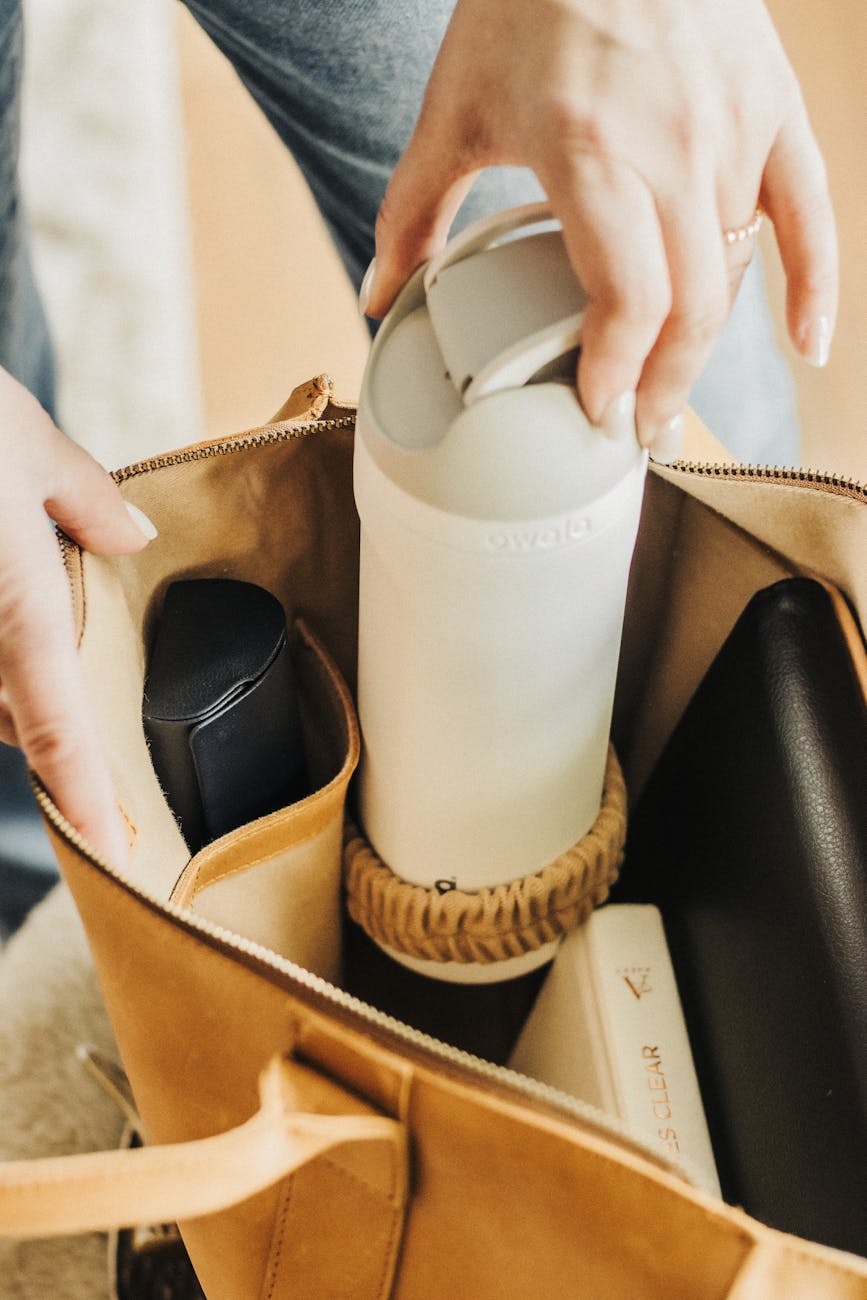
- The Personal Item Powerhouse: This is where many travelers fail. Your personal item (usually a work bag, tote, or slim backpack) should be your organizational hub and tech carrier. It must meet strict size rules (often around 18 x 14 x 8 inches) but should hold dense items like laptops, chargers, and even your bulkiest jacket if necessary.
H3: Mastering the Clothing Capsule Wardrobe
The goal is a modular wardrobe where every top matches every bottom. Focus on neutral base colors (black, navy, grey, white) and one or two accent colors.
| Item Category | Quantity (For 10-14 Days) | Material Focus |
|---|---|---|
| Bottoms (Pants/Skirts) | 2 | Dark Denim/Technical Fabric (Quick-Dry) |
| Shirts/Tops | 4-5 | Merino Wool or High-Quality Synthetics |
| Outer Layer 1 (Mid-Layer) | 1 | Lightweight Sweater or Cardigan |
| Outer Layer 2 (Jacket) | 1 | Packable Down or Waterproof Shell |
| Dresses/Jumpsuits (Optional) | 1 | Wrinkle-Resistant Knit |
| Underwear/Socks | 5-7 pairs | Performance Fabric (Wool/Synthetic Blend) |
Note: You wear the heaviest boots and bulkiest coat onto the plane.
H2: The Packing Methodology: Compression and Organization
The secret to squeezing volume into a restricted space isn’t just folding; it’s about eliminating air and creating dense, structured units.
H3: Embrace Compression Packing Cubes
This is the single most effective investment for carry-on travel. Traditional packing cubes organize; compression packing cubes remove the air between layers of clothing using a secondary zipper.
How to Use Them:
- Categorize: Use different cube sizes for different categories (e.g., Large for tops/bottoms, Medium for underwear/socks).
- Roll Tight: Roll clothing items tightly before placing them in the cube.
- Compress: Zip the primary compartment, then zip the secondary compression zipper. This can often reduce a cube’s volume by 30-40%.
H3: The Strategic Use of Rolling vs. Folding
There is a healthy debate on rolling versus folding, but for carry-on compression, a hybrid method works best:
- Roll: Soft, knit items (t-shirts, casual pants, sleepwear). Rolling minimizes hard creases and allows items to conform around irregular shapes.
- Fold Flat: Structure-holding items (blazers, dress shirts). These should be folded minimally and placed on top of the compressed cubes, using the clothing structure to support the cube block.
H3: The Void Fill Technique
Every empty space in your luggage must be filled. This is where small items become strategic tools:
- Stuff Shoes: Socks, underwear, belts, and small electronics (like a portable battery pack) should be rolled or folded tightly into the hollow interior of your packed shoes.
- Perimeter Stacking: Once the main packing cubes are placed in the center of the suitcase, use small stacks of folded fabric (like a thin cardigan or scarf) to wedge around the edges and prevent shifting.
H2: Decoupling Liquids and Toiletries
Liquids, Gels, and Aerosols (LGAs) are the quickest way to add weight and take up valuable, non-compressible space. The goal is to minimize liquids as much as possible, thereby justifying the carry-on only mandate.
H3: Solid Over Liquid Rule
Wherever a solid alternative exists, choose it.
- Shampoo/Conditioner: Switch to shampoo bars or solid conditioner bars. They last longer, don’t leak, and count as zero liquid volume.
- Deodorant: Stick deodorant is vastly superior to spray or roll-on.
- Toothpaste: Consider toothpaste tablets or powder, or simply use a travel-sized tube and refill it.
- Makeup: Opt for cream blush or powder formulas over liquid foundations where possible.
H3: The TSA 3-1-1 Compliance (and Beyond)
If you must bring liquids, adhere strictly to the 3-1-1 rule (3.4 oz containers, 1 quart-sized clear bag, 1 bag per passenger).
Weight Management Tip: Many travelers forget that heavy liquids add significant ounces. Use reusable silicone travel bottles that hold exactly what you need. Weigh your toiletry bag before final packing; if it exceeds one pound, re-evaluate aggressively.
H2: The Airport Final Check: Mastering the Personal Item
If your carry-on roller is approaching the weight limit (often 7-10kg / 15-22 lbs), your excess weight must be absorbed by your personal item, as it is rarely weighed.
H3: Strategic Deployment of Bulky Items
The moment you step into the airport, certain items should come out of the main suitcase and onto your person or into your personal item bag:
- Outerwear: Wear your heaviest jacket, coat, or blazer. If you ditch the jacket for warmth later, it occupies minimal space draped over the handle of your roller bag or folded into your personal bag.
- The Tech Layer: Laptops, tablets, cameras, and heavy power banks belong in your personal item. These items are dense and expensive; keeping them separate also facilitates easy removal at security checkpoints.
- Reading Materials: If you insist on physical books, move them from the suitcase to your lap or personal item. E-readers are mandatory for serious light packers.
H3: Utilizing Pocket Space
Every piece of clothing has pockets. Use them for small, dense, non-valuable items on the flight, such as keys, chapstick, or backup phone battery—things you need quickly but that add weight to your main bag.
Conclusion: The Freedom of Light Travel
Mastering the art of carry-on travel is less about deprivation and more about intentional selection. By employing high-efficiency packing cubes, adopting the capsule wardrobe philosophy, minimizing liquids, and strategically deploying your personal item, you eliminate the common pain points of air travel.
The benefit far exceeds the initial effort. You save money on fees, you eliminate time spent waiting at baggage claim, and most importantly, you gain agility. When your entire worldly belongings fit securely onto your back or roll effortlessly beside you, movement—whether through crowded terminals or winding European streets—becomes a pleasure, not a logistical burden. Say goodbye to the checked bag fee and hello to true travel freedom.