
Versatile Clothing: Travel Smarter and Cheaper Now
- The Financial Drain of Single-Purpose Packing
- Direct Costs: Baggage Fees
- Indirect Costs: The “Just in Case” Purchase Effect
- The Core Principles of Versatile Packing
- Prioritize Technical Fabrics and Materials
- Embrace the Power of the Neutral Palette
- Strategic Item Selection: The Multi-Tasking Heroes
- The Multi-Functional Outer Layer
- Bottoms That Bridge the Gap
- Footwear: The Most Weighty Expense
- Calculating the Savings: An Example Scenario
- Conclusion: Packing Less, Experiencing More
The Traveling Wardrobe Revolution: Why Versatile Clothing Makes Travel Cheaper
The joy of travel often comes with a hidden cost: luggage fees, the constant urge to buy new outfits for different occasions, and the sheer mental load of packing “just in case.” If you’ve ever paid an exorbitant checked bag fee or regretted packing that single-use outfit that ended up taking up valuable suitcase real estate, it’s time to embrace the travel revolution powered by one simple concept: versatility.
Versatile clothing isn’t just a packing hack; it’s a fundamental shift in travel finance. By prioritizing pieces that can adapt to various climates, dress codes, and activities, you fundamentally reduce the overall volume and cost associated with your journey. This guide explores exactly how adopting a versatile wardrobe acts as a powerful tool for saving money while maximizing your travel experience.
The Financial Drain of Single-Purpose Packing

Before diving into solutions, it’s crucial to understand the financial leaks caused by impractical packing. Overpacking costs money in several direct and indirect ways.
Direct Costs: Baggage Fees
For many budget airlines and even traditional carriers, checked baggage fees are substantial. A single round-trip flight can incur $100 to $200 in fees depending on the route and airline. If you consistently overpack because you don’t have high-utility items, you are throwing that money away.
- Carry-On Limits: Even when sticking to carry-on limits, exceeding weight restrictions can trigger last-minute repacking at the gate, often resulting in paying a higher, immediate gate fee.
- Checked Bag Costs: If multiple travelers in a group are forced to check bags due to bulky, non-versatile items, the costs compound quickly.
Indirect Costs: The “Just in Case” Purchase Effect
When travelers realize mid-trip they don’t have the right item—a warm layer that matches their dressier outfit, or quick-drying pants for an unexpected hike—they are forced to purchase replacements at inflated tourist prices.
This leads to:
- Impulse Buying: Purchasing an item you might only wear once on the trip.
- Lower Quality: Often settling for easily accessible, though lower quality, tourist-trap clothing.
- Souvenir Clutter: Adding items to your luggage that become weight penalties later on.
Versatile clothing minimizes the need for these emergency purchases by ensuring you have an appropriate option for 90% of scenarios.
The Core Principles of Versatile Packing
Building a versatile travel wardrobe revolves around smart fabric choices, neutral color palettes, and foundational layering. These principles ensure every item earns its place in your bag.
Prioritize Technical Fabrics and Materials
The foundational element of versatile clothing is what it’s made of. Technical, modern fabrics out-perform traditional cotton or heavy denim in almost every travel metric, leading to fewer items needed overall.
| Fabric Type | Versatility Benefit | Example Application |
|---|---|---|
| Merino Wool | Temperature regulation (warm when cold, cool when hot); naturally odor-resistant. | Base layers, lightweight sweaters, travel socks. |
| Nylon/Spandex Blends | Quick-drying, wrinkle-resistant, high stretch for comfort. | Hiking pants that double as sleek trousers, athletic tops. |
| Tencel/Lyocell | Breathable, drapes well (looks dressier than standard synthetics), durable. | Travel shirts, lightweight dresses. |
Why This Saves Money: Odor resistance means you can wear a merino shirt two or three times between washes. Quick-drying fabrics allow you to pack fewer tops, as you can wash and dry an item overnight in a sink. Fewer washes equal less laundry service cost and more time enjoying your destination.
Embrace the Power of the Neutral Palette
Color theory is critical in cost-effective packing. If every item requires a specific corresponding piece, you need more inventory. A cohesive, neutral palette ensures maximum interchangeability.
Focus your wardrobe around 3–4 core colors. Excellent choices include:
- Neutrals: Black, Navy, Charcoal Grey, Khaki/Beige.
- Accent Colors: One or two colors (e.g., olive green, deep burgundy) that complement all the base neutrals.
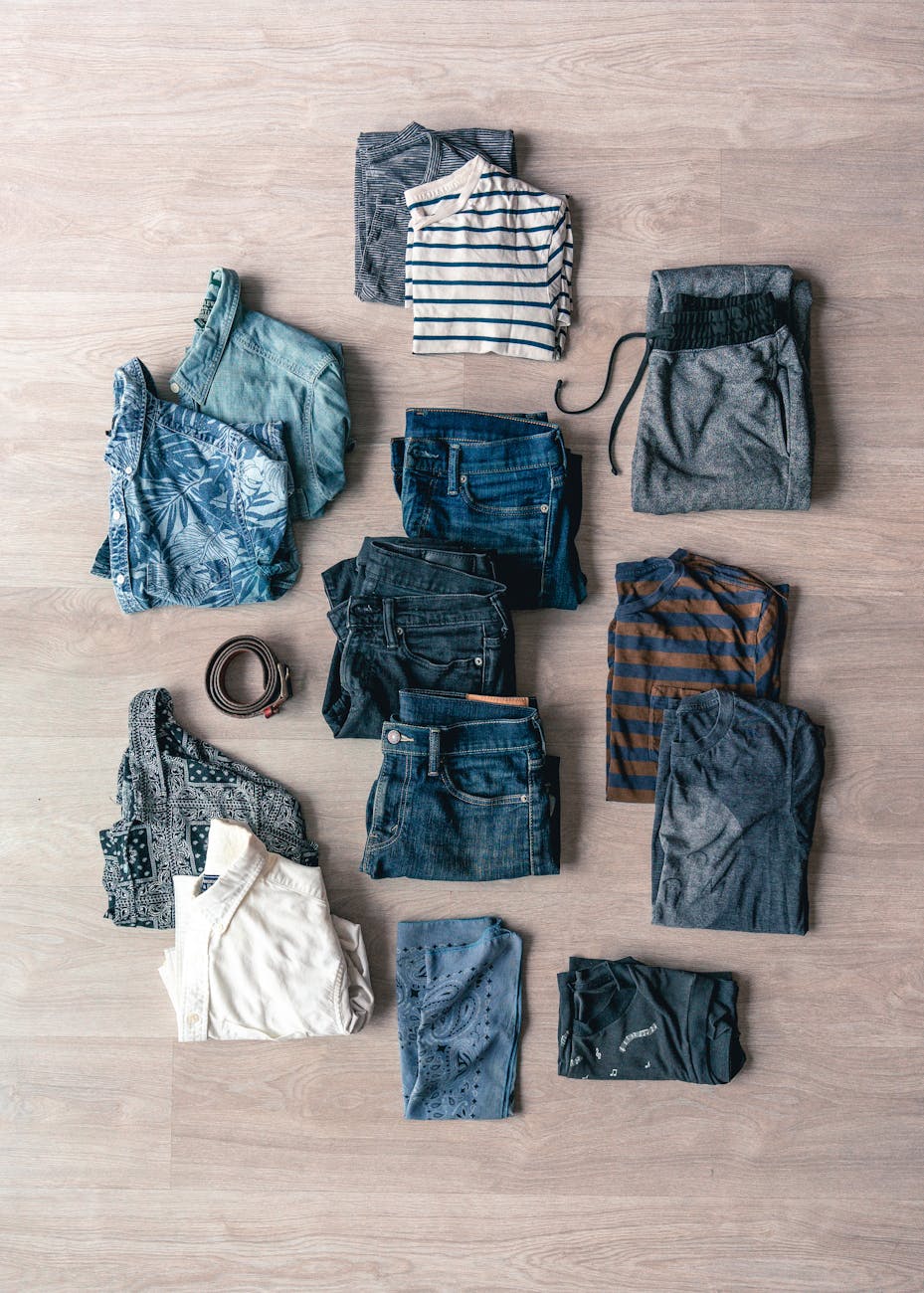
If every top matches every bottom, you suddenly have a functional wardrobe of 10 pieces that offers 30+ outfit combinations. This drastically reduces the need to pack specialized outfits that clash with most of your other clothing.
Strategic Item Selection: The Multi-Tasking Heroes
The key to a versatile wardrobe is selecting items that function across different contexts—from an upscale dinner to a long day of sightseeing.
The Multi-Functional Outer Layer
This is arguably the most crucial investment in a versatile travel wardrobe. Instead of packing a heavy raincoat, a separate blazer, and a fleece, look for one item that covers all bases.
Examples:
- The Packable Blazer/Travel Jacket: Choose a modern, unlined blazer made from a wrinkle-resistant technical wool or stretch synthetic. It looks professional enough for a business meeting or nice restaurant but is comfortable and light enough for a cool evening walk.
- The 3-in-1 System: A waterproof outer shell paired with a zip-out insulating mid-layer. This gives you three distinct pieces (shell only, insulating layer only, or both combined) for vastly different weather conditions, saving the cost of three separate purchases.
Bottoms That Bridge the Gap
Travel often requires moving seamlessly from activity to activity. Your pants need to handle rough terrain one moment and look polished the next.
- The “Tech Trouser”: Modern travel pants made from stretchy, water-repellent fabric (often nylon/spandex or blended cotton) are transformative. They look like tailored chinos or slim-fit slacks but perform like high-end hiking gear. They dry fast, resist stains, and are comfortable for long transit days.
- The Maxi Dress/Long Skirt: For women, a simple, well-draping maxi dress or midi skirt in a dark color is invaluable. Paired with sneakers and a t-shirt, it’s casual daywear. Add tall boots and a piece of nice jewelry (or that multi-functional blazer), and it transitions perfectly to evening wear.
Footwear: The Most Weighty Expense
Shoes are often the heaviest and bulkiest items packed—and the biggest budget killers due to needing variety. Aim for a maximum of two pairs, maybe three if a specific sport requires it.
- The Everyday Sneaker (The Workhorse): A comfortable, supportive walking shoe in a neutral color (black, white, or grey leather/suede) that can handle 15,000 steps a day and look appropriate at a casual café.
- The Transition Shoe: A stylish, comfortable loafer, ankle boot, or minimalist leather sandal. This shoe elevates an outfit for evening dining or formal cultural site visits without sacrificing walkability. Avoid flip-flops unless you are specifically to a beach destination, as they are rarely useful elsewhere.
Calculating the Savings: An Example Scenario
To illustrate the tangible financial benefit, consider a recent traveler who resisted versatile packing versus one who embraced it.
| Item | Non-Versatile Packer Cost | Versatile Packer Cost | Savings |
|---|---|---|---|
| Checked Bag Fee (Round Trip) | $150.00 | $0.00 (Carry-On) | $150.00 |
| Heavy Cotton Sweater (One Use) | $60.00 (Purchased on trip) | $0.00 (Replaced by Merino layer) | $60.00 |
| Separate Raincoat & Fleece | $140.00 (Two separate items) | $130.00 (One 3-in-1 system) | $10.00 |
| Emergency “Nice” Outfit Purchase | $85.00 | $0.00 (Used existing convertible items) | $85.00 |
| Total Initial Cost Difference | $435.00 | $130.00 | $305.00 |
Note: This calculation excludes the cost of the versatile garment itself, focusing only on the savings realized through reduced bags, fewer required purchases, and avoiding traveler markups.
The versatile traveler saved over $300 on a single two-week trip simply by ensuring every piece performed double or triple duty. This money can be reinvested into experiences—a nicer meal, a tour, or simply saving for the next adventure.
Conclusion: Packing Less, Experiencing More
Versatile clothing fundamentally changes the value proposition of your luggage. It converts bulky, single-purpose items into high-utility assets. By investing in high-quality, adaptable basics made from technical fabrics and adhering to a cohesive color scheme, you eliminate the high cost associated with overpacking, emergency purchases, and unnecessary baggage fees.
The goal of travel is to experience the world, not to manage a heavy suitcase. When your wardrobe works harder for you, you travel lighter, spend less, and gain more freedom on the road. The small upfront investment in versatile pieces pays dividends throughout every subsequent journey.