

The Real Cost of Looking Professional for Work Revealed
- The Obvious Expense: Financial Outlay
- The Wardrobe Treadmill
- Grooming and Maintenance Expenses
- The Invisible Toll: Time and Energy Consumption
- The Morning Decision Fatigue
- The Logistics of Maintenance
- The Psychological Burden: Authenticity and Internal Conflict
- The Authenticity Gap
- The Unspoken Social Cost: Uniformity vs. Individuality
- Demographic Disparities: The “Pink Tax” and Beyond
- Gendered Expectations
- Socioeconomic Barriers to Entry
- Re-evaluating the Return on Investment
- Conclusion
The Real Cost of Looking Professional for Work: Beyond the Price Tag
In the modern professional landscape, presentation matters. From the crispness of a collar to the shine on a pair of shoes, the visual message we convey often speaks volumes before we even utter a word. We are constantly told that looking professional is essential for career advancement, securing promotions, and instilling client confidence.
But what is the real cost of this perceived necessity? It extends far beyond the simple transaction at the cash register. The expense of maintaining a professional appearance encompasses a complex interplay of financial outlay, mental bandwidth, time commitment, and even personal authenticity. Understanding these deeper costs is crucial for navigating the professional world without burning out or breaking the bank.
The Obvious Expense: Financial Outlay


The most immediate and quantifiable cost of looking professional is the money spent on attire, grooming, and maintenance. This initial investment can be substantial, particularly for those entering new fields or climbing into senior roles that demand higher-end aesthetics.
The Wardrobe Treadmill
Building a professional wardrobe from scratch is notoriously expensive. Unlike casual clothing, professional attire often requires higher upfront investments due to perceived durability and brand association.
- The Core Investment: Suits, blazers, tailored trousers, and high-quality footwear form the foundational costs. A single, well-made suit can easily run several hundred dollars.
- The Turnover Cycle: Fashion evolves, and professional norms shift. What was “stylish” five years ago might now look dated, forcing regular, often costly, updates to stay relevant.
- The “One-Off” Item Trap: Occasions demanding specific attire (e.g., formal industry dinners, specific client meetings) require buying items that may only be worn once or twice, leading to poor cost-per-wear ratios.
Grooming and Maintenance Expenses
Looking polished requires ongoing financial commitment that often gets overlooked when budgeting for “work clothes.”
- Hair Care: Regular salon visits, specific product lines required for a particular style, and perhaps even specialized treatments add up significantly over a year.
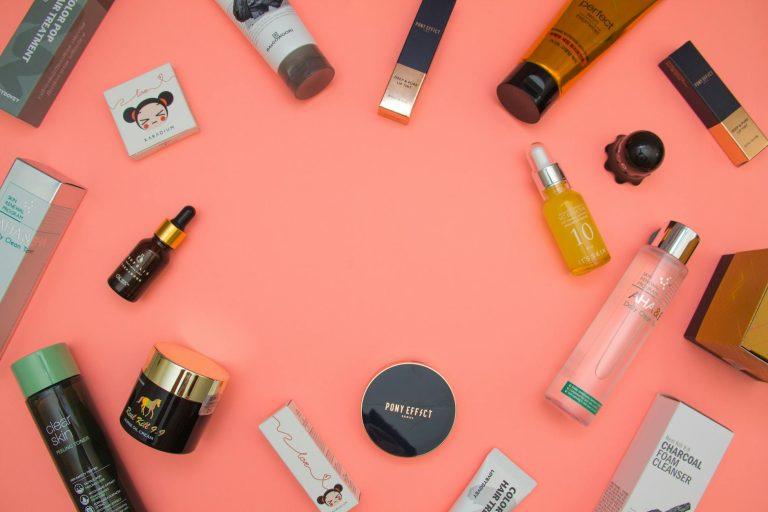
- Skincare and Makeup: For many professions, particularly client-facing roles, maintaining meticulous skin or wearing specific makeup application is expected. High-quality foundations, concealers, and anti-aging products are rarely cheap.
- Footwear Maintenance: Leather shoes require regular polishing, resoling, and conditioning, converting a single purchase into a recurring maintenance fee.
The Invisible Toll: Time and Energy Consumption
Perhaps more damaging in the long run than the direct financial cost is the non-monetary expenditure: the time and mental energy required to maintain the façade of professionalism.
The Morning Decision Fatigue
Every professional outfit choice is a decision. For those who adhere strictly to workplace dress codes, this decision-making process can deplete cognitive resources before the workday even begins.
If an individual has a limited professional wardrobe, they might spend significant time each morning planning outfits to avoid repetition or ensuring items are clean and wrinkle-free. This drains “decision bandwidth,” a finite resource that should ideally be reserved for complex work tasks.
Example: A lawyer who spends 20 minutes meticulously ironing a dress shirt and coordinating cufflinks, color-matching socks, and checking their tie knot is dedicating time that could have been used for reviewing case notes or preparing for an early meeting.
The Logistics of Maintenance
Professional clothing requires more intensive care than standard apparel:
- Dry Cleaning vs. Home Care: Suits, silk blouses, and delicate fabrics almost always require professional dry cleaning, which is both time-consuming (dropping off and picking up) and expensive.
- Alterations: Professional tailoring is rarely optional. Clothes must fit perfectly to look sharp, meaning a significant recurring cost for hemming trousers, taking in jackets, and adjusting shoulders.
- The “Always On” Pressure: The need to look perfect means being hyper-aware of one’s presentation throughout the entire day—checking creases in the mirror, worrying about spilled coffee, or ensuring makeup hasn’t faded. This constant self-monitoring is mentally exhausting.
The Psychological Burden: Authenticity and Internal Conflict
While a neat presentation aids externally, the burden it places internally can stifle creativity, reduce comfort, and impact long-term job satisfaction.
The Authenticity Gap
When the required professional presentation significantly clashes with an individual’s personal style or comfort level, it creates an “authenticity gap.” This gap forces the individual to constantly perform a role that doesn’t align with their true self.
- Physical Discomfort as a Distraction: Wearing restrictive clothing (e.g., high-heeled shoes, tight waists, heavy suits in warm environments) directly impacts physical comfort. Discomfort is a proven distraction that lowers concentration and productivity.
- Imposter Syndrome Amplification: For some, wearing attire they feel they haven’t “earned” or that feels overly formal can exacerbate feelings of imposter syndrome, making them feel like they are masquerading rather than truly belonging.
The Unspoken Social Cost: Uniformity vs. Individuality
Professionalism often rewards conformity. Industries that prioritize traditional aesthetics subtly punish those who choose attire that expresses strong individuality or deviates from the established norm.
The cost here is the suppression of personal expression. While uniforms foster team cohesion, an enforced, expensive standard of professional dress robs employees of a simple, safe avenue for self-expression, forcing them to find alternative, sometimes more risky, ways to assert their identity.
Demographic Disparities: The “Pink Tax” and Beyond
The financial and time costs of looking professional are not distributed equally. Certain demographics face unique pressures that inflate their required investment.
Gendered Expectations
Research consistently shows that women often face higher, more complex, and more expensive demands regarding professional appearance:
- The Shoe Dilemma: High heels, often considered mandatory in many corporate settings, are inherently more expensive to maintain, more painful to wear for long periods, and lead to greater long-term orthopedic costs.
- Greater Variety of Required Items: Women typically require a wider range of professional items (skirts, dresses, blouses, professional handbags, hosiery, specific accessories) compared to men’s standard suit/tie/dress shirt rotation.
- The Pressure to Groom: Societal standards often impose stricter, time-consuming grooming requirements on women (manicures, routine waxing/shaving, makeup application) as part of the baseline expectation of appearing “polished.”
Socioeconomic Barriers to Entry
For entry-level professionals from lower socioeconomic backgrounds, the initial financial investment for an adequate professional wardrobe can be a significant, sometimes insurmountable, barrier to entry. They may be forced to spend a disproportionate amount of their initial salary on clothing, diverting funds from essential needs like transportation or housing deposits.
Re-evaluating the Return on Investment
If the costs are so high—financial, temporal, and psychological—why do we perpetuate this culture? Because the perceived return on investment (ROI) seems vital for career progression.
We operate under the assumption that looking professional leads to:
- Perceived Competence: People assume well-dressed individuals are more capable.
- Higher Trust: Clients are more likely to trust a polished external image.
- Internal Favoritism: Management may unconsciously favor those who present in a traditionally “successful” manner.
However, this relationship is becoming increasingly tenuous in performance-driven, remote, and often younger organizational structures. Many modern companies are realizing that comfort, genuine confidence, and demonstrable skill outweigh stiff collars.
The challenge for the modern professional is to find the minimal effective dose of professionalism—the presentation level that satisfies external requirements without incurring the maximal internal and financial cost. This means setting firm boundaries: wearing the required suit to the board meeting, but perhaps opting for high-quality, comfortable business casual on internal work days.
Conclusion
The cost of looking professional for work is a significant, multi-faceted debt we pay daily. It’s the money stripped from savings accounts, the minutes subtracted from sleep, and the cognitive energy diverted from innovation. While presentation remains a vital currency in many professional exchanges, true career longevity and personal well-being depend on critically assessing which elements of “professionalism” genuinely contribute to success and which are merely expensive, exhausting rituals of conformity. By recognizing these real costs, professionals can start demanding a better return on their wardrobe investment.