

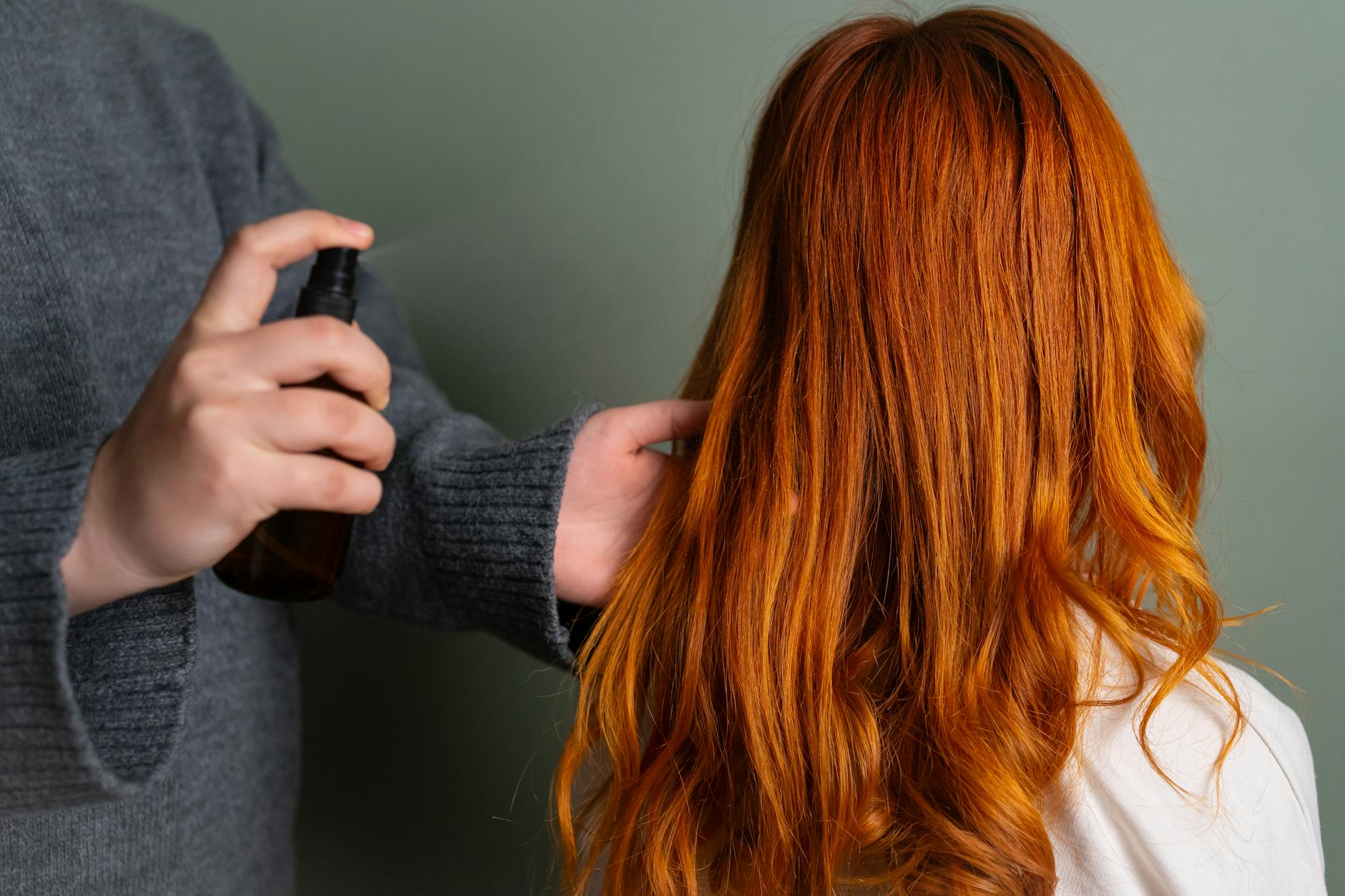
Professional Hair Color Costs More, Saves Money Long-Term
- Beyond the Box: Deconstructing the True Cost of Professional Color
- 1. The Education & Expertise of the Stylist
- 2. Superior, Professional-Grade Products
- Quality of Pigments and Bases
- The Role of Bond Builders
- How Paying More Now Saves You Money Later
- 1. Eliminating Color Corrections
- 2. Extended Longevity and Less Frequent Appointments
- 3. Maintaining Hair Health Keeps Future Services Cheaper
- The Value Proposition: Time, Stress, and Confidence
- Time Efficiency
- Stress Reduction
- Consistency and Confidence
- Conclusion: Reframing the Investment
The Price of Perfection: Why Professional Hair Color Costs More (But Actually Saves You Money)
The allure of a stunning, vibrant, or perfectly blended hair color is undeniable. It transforms a look, boosts confidence, and is often the defining feature of a great personal style. However, when the stylist presents the bill after achieving that dream shade—whether it’s a subtle balayage, a bold platinum, or rich, deep brunette—the sticker shock is real.
Many consumers look at the price tag for a professional color service and compare it (unfavorably) to the cost of a box dye kit from the drugstore. It seems like a significant markup for something that ultimately washes out.
But what if that higher upfront investment is actually a form of long-term savings? Understanding the true value baked into professional hair color reveals why the cost is justified and how it protects your hair’s integrity, ultimately saving you time, stress, and money in the long run.
Beyond the Box: Deconstructing the True Cost of Professional Color
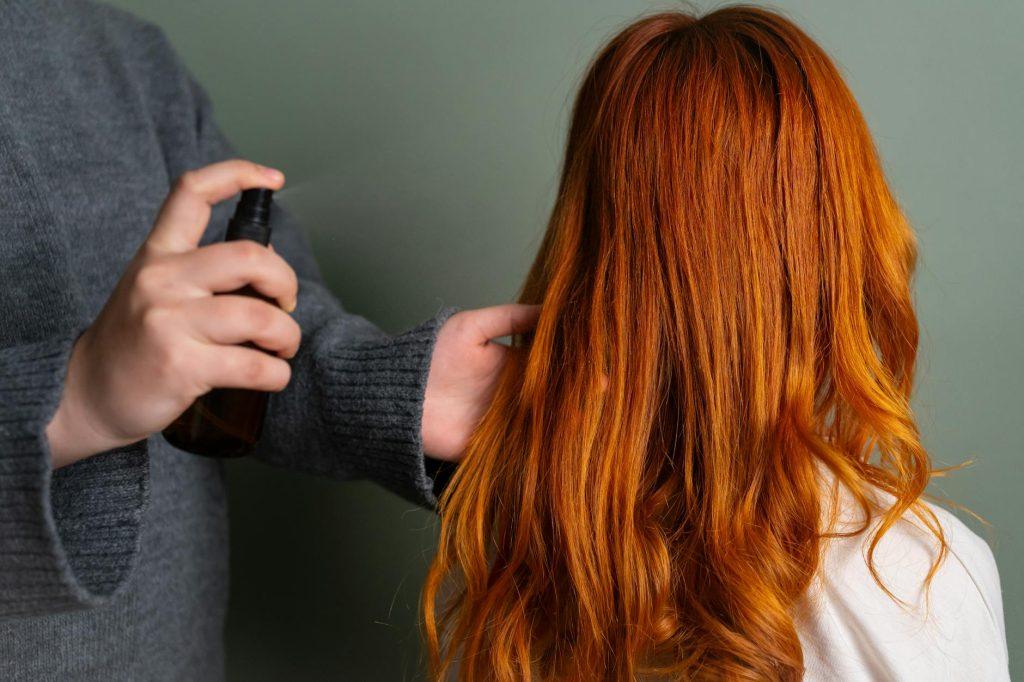

When you pay a salon professional, you aren’t just paying for the chemicals applied to your hair. You are paying for a complex combination of expertise, quality ingredients, time, and guaranteed results. These factors are completely absent in at-home coloring kits.
1. The Education & Expertise of the Stylist
The single greatest differentiator in professional hair coloring is the human element: the stylist’s mastery. Becoming a skilled colorist requires significant, ongoing investment in education.
- Foundation in Chemistry: Hair color is applied chemistry. A professional understands how undertones work, how different levels of developer interact with natural pigment, and how to safely lift dark hair without causing irreparable damage. They know the difference between lifting virgin hair versus previously colored hair.
- Advanced Certification: Top stylists attend workshops, masterclasses (often focusing on specific techniques like color melting, vivids, or seamless gray blending), and continually purchase new educational materials to stay current with rapidly evolving trends and improved products.
- The Diagnostic Phase: Before any color touches your hair, a consultation occurs. The stylist is diagnosing your hair porosity, density, health, and history. This critical assessment prevents disasters. An at-home colorist skips this step, leading to inevitable problems that require costly corrections later.
2. Superior, Professional-Grade Products
The difference between salon-exclusive color lines and over-the-counter (OTC) dyes is vast, directly impacting the health and longevity of the result.
Quality of Pigments and Bases
Professional color systems use higher quality, purer pigments that deposit color more accurately and consistently. They often contain conditioning agents, bond builders, and lower levels of harsh ammonia (or are ammonia-free).
- Lower Damage Profile: High-quality color is formulated to minimally disrupt the cuticle layer, leading to less breakage and better light reflection (which makes the color look richer).
- Custom Formulations: Your stylist doesn’t use one tube of color. They custom-blend formulas, adjusting the base, tone, and volume of developer specific to each section of your head—roots, mid-shaft, and ends—to ensure uniformity and prevent banding.
The Role of Bond Builders
Modern, high-end color services almost always incorporate bond-building technology (like Olaplex or K18), either mixed directly into the color formula or applied as treatments mid-service. These ingredients actively repair the internal structure of the hair as the color is processing. OTC kits rarely offer this level of proactive protection, creating more susceptibility to future damage.
How Paying More Now Saves You Money Later
The perception is that a $20 box dye saves $150 at the salon. In reality, the $20 box dye often sets the stage for a $300+ repair bill. Here is how professional services act as a form of long-term preventative maintenance.
1. Eliminating Color Corrections
The most significant financial drain associated with DIY hair color is the need for a correction.
| Scenario | At-Home Color Risk | Professional Cost Mitigation |
|---|---|---|
| Lifted Too Dark/Brassy | Applying a box dye over previous color results in muddy, overly warm, or orange tones. | Stylist uses specialized removers and precise toners to neutralize brass without further lifting the hair shaft. |
| Uneven Application | Leaving stripes, dark spots, or visible developer lines, especially around the hairline. | Stylist applies color methodically, blending seams beautifully, ensuring consistency from root to tip. |
| Color Bleeding/Staining | Box dye runs onto skin or clothing, or bleeds between intended sections (e.g., highlights bleeding into the base color). | Professionals use barrier creams, foil techniques, and precise rinsing methods to keep colors distinct and the skin clean. |
A color correction—fixing a severe DIY mistake—often takes twice the time, requires expensive specialized products (like Malibu treatments or chemical stripping), and is priced at a premium because of the difficulty involved.
2. Extended Longevity and Less Frequent Appointments
Because professional color is designed for higher adherence and uses better conditioning agents, the color itself lasts longer.
- Fading Resistance: Higher-quality pigments resist fading from washing and sun exposure longer than the pigments in drugstore dyes. This means you can stretch the time between full-color appointments because the grow-out is less noticeable, and the color saturation remains true longer.
- Targeted Application: A professional knows exactly where and how much product to apply. When you color yourself, you often overlap color onto already-processed ends multiple times to ensure coverage, which degrades the hair shaft significantly. A stylist only colors the new growth, preserving the integrity of the rest of the hair.
3. Maintaining Hair Health Keeps Future Services Cheaper
Hair health directly impacts the type of service you can receive later. Severely compromised hair cannot tolerate light lifting, complex blonding, or vivid fantasy colors.
If your hair is damaged from repeated box dyes or poor at-home lifting, you might be forced into expensive, time-consuming “reconstruction” treatments just to get your hair healthy enough for the next appointment, or worse, you may need to cut off significant length (losing the investment you made in your hair length).
By investing in professional color, you are investing in the structural integrity of your hair, allowing for more creative options down the line without forced repair time or breakage.
The Value Proposition: Time, Stress, and Confidence
The savings associated with professional color are not solely monetary; they extend into your personal quality of life.
Time Efficiency
At-home coloring is deceptively time-consuming. You spend time driving to the store, mixing imprecise amounts, awkwardly applying color in the bathroom mirror (often missing the back of the head), and then dealing with the messy cleanup.
A salon visit is a dedicated, focused block of time where you are in a controlled environment. While you are in the chair, you can relax, read, or work. The service is done efficiently and correctly the first time.
Stress Reduction
The anxiety associated with applying dye yourself—the fear of streaks, burning the scalp, or ending up with an unexpected shade of green—is eliminated when you trust an expert. Reducing stress over your appearance is a priceless, albeit intangible, financial benefit.
Consistency and Confidence
The confidence derived from knowing your hair looks exactly as you intended is highly valuable. Professionals offer standardized results. If you see someone whose hair color you admire, chances are they saw a stylist who can replicate that professional formula consistently, visit after visit.
Conclusion: Reframing the Investment
When evaluating the cost of professional hair color, shift the perspective from “What does this cost me today?” to “What problems am I avoiding tomorrow?”
The higher price tag covers years of specialized training, access to premium, less damaging formulations, the insurance policy of a high-quality result, and the preservation of your hair’s long-term health. Box dyes may offer a momentary cheap fix, but they often necessitate far more expensive, time-consuming repairs.
Choosing professional color is not a luxury indulgence; it is a smart, strategic investment in maintaining the beauty, integrity, and lasting vibrancy of your hair.