
Six Months Saving: How Quitting Weekend Outings Boosted My Bank
- The Lifestyle Before: A High-Cost Social Budget
- Phase One: Establishing the New Ground Rules
- Setting Clear Boundaries
- Replacing the Routine
- The Financial Transformation: Tracking the Savings
- Monthly Snapshot of Savings (Conservative Estimate)
- Beyond the Bank Account: Unexpected Benefits
- Improved Physical Health
- Enhanced Productivity and Focus
- Deeper, More Meaningful Social Connections
- Making It Sustainable: The Long-Term Pivot
- Conclusion: The Real Value of Staying In
Trading Nightlife for Net Worth: My Six-Month Experiment in Staying In
The weekend used to be synonymous with spending. For years, my Friday evening ritual involved an almost automatic cycle: text the group chat, decide on a bar or restaurant, and watch my bank account dwindle by the time Sunday rolled around. While I cherish the memories made—the loud concerts, the celebratory dinners, the spontaneous late-night tacos—I eventually noticed the financial toll this constant social churn was taking.
Six months ago, I decided to conduct a personal financial experiment: radically pivot my weekend habits. I didn’t swear off socializing entirely, but I consciously decided to stop the automatic, expensive outings that had become my default setting. This post details the journey, the surprising revelations, and most importantly, the concrete money I saved by trading constant nightlife for focused nights in.
The Lifestyle Before: A High-Cost Social Budget

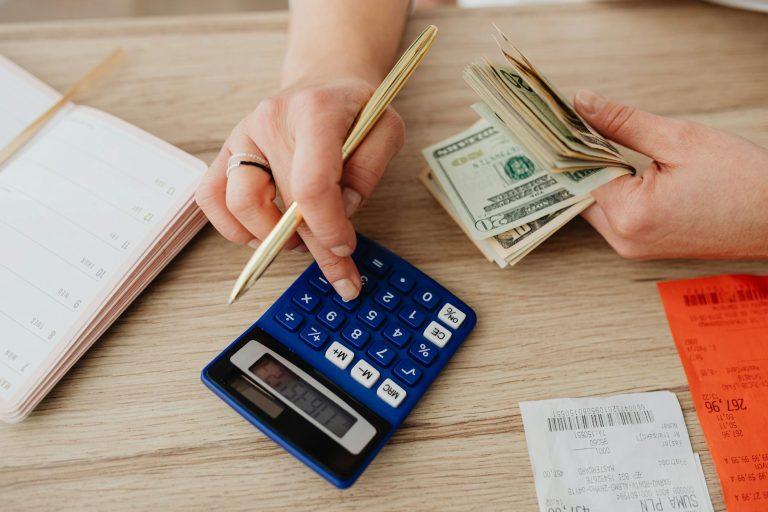
Before this experiment began, my weekend spending wasn’t malicious; it was simply habitual. I categorized my typical Friday-Sunday expenditure breakdown:
- Friday Night Out (The Kickoff): Usually involved dinner and drinks at a moderately priced venue. Average cost: $75 – $120.
- Saturday Socializing (The Main Event): This often included tickets to an event (concert, movie, sporting event) or an extended evening involving Ubers/Lyft rides and multiple rounds of drinks. Average cost: $100 – $250.
- Sunday Recovery (The Wind Down): Often brunch or coffee dates, maybe a casual errand run that turned into an unnecessary purchase. Average cost: $40 – $70.
Total Average Weekend Spend: Roughly $215 to $440.
If we take a conservative midpoint of $300 per weekend, that equates to $1,200 per month, or $7,200 projected over six months. This realization alone was a powerful motivator. I wasn’t just paying for fun; I was paying for routine fun that often left me feeling drained, rather than refreshed.
Phase One: Establishing the New Ground Rules
The biggest hurdle wasn’t the lack of alcohol; it was the fear of missing out (FOMO) and the inertia of habit. To succeed, I had to replace the old routine with new, fulfilling alternatives.
Setting Clear Boundaries
My goal wasn’t to become a hermit, but to become intentional. The new rules were:
- One Paid Social Event Per Month: Allow one pre-planned, pre-budgeted outing with friends that I genuinely looked forward to. This kept me connected without bankrupting me.
- Friday Night In became Sacred: Friday evenings were designated for home-based relaxation, self-improvement, or home entertainment.
- Daytime Socializing Preferred: If I hung out with friends, it often shifted to a Saturday afternoon park meet-up, hiking, or a low-cost activity rather than evening bar hopping.
Replacing the Routine
The key to stopping a habit is robust substitution. My initial weekly plan looked like this:
| Old Weekend Activity | New Weekend Activity (and Cost) |
|---|---|
| Friday Bar Hops | Hosting a potluck dinner (Ingredient costs only) |
| Buying Lunch Out | Meal prepping high-quality lunches for the following week |
| Expensive Movie Tickets | Streaming service entertainment + making my own fancy snacks |
| Spontaneous Shopping | Dedicating time to a hobby (e.g., writing, learning a new skill) |
The Financial Transformation: Tracking the Savings
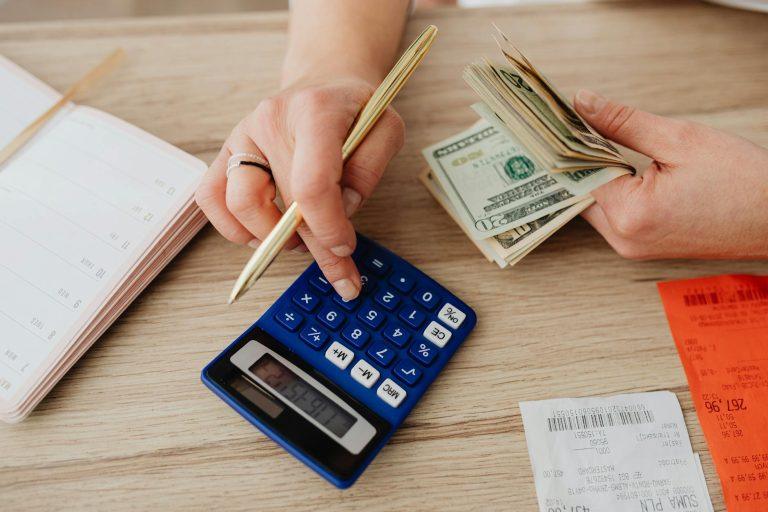
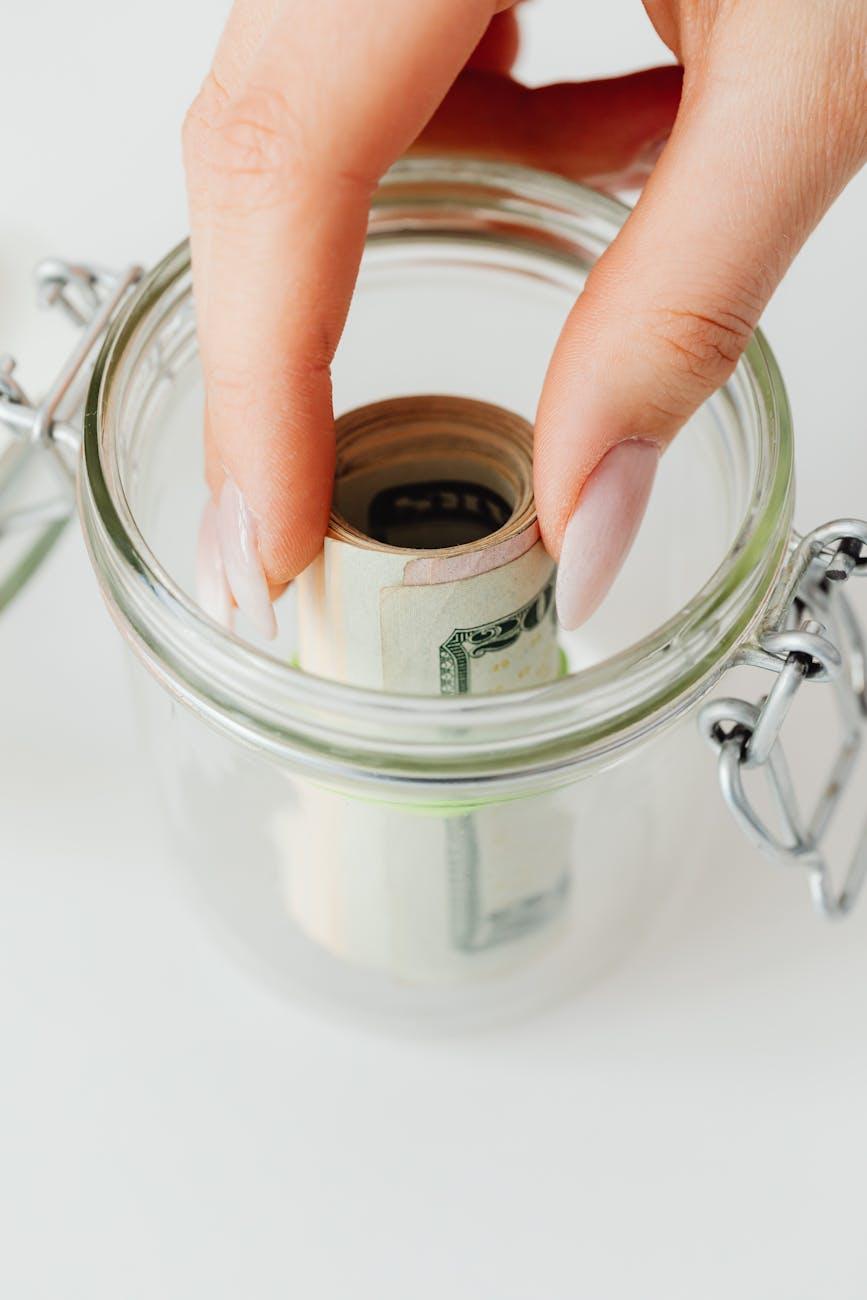
The most satisfying part of the experiment was watching the savings accumulate. I used a separate savings account labeled “Weekend Pivot Fund” to automatically transfer the amount I would have spent on a typical outing.
Monthly Snapshot of Savings (Conservative Estimate)
| Month | Typical Weekend Spend Avoided (Avg. $300/weekend) | Actual Social Spend (One Outing + minor extras) | Net Savings Transferred |
|---|---|---|---|
| Month 1 | $1,200 | $150 | $1,050 |
| Month 2 | $1,200 | $100 | $1,100 |
| Month 3 | $1,200 | $200 | $1,000 |
| Month 4 | $1,200 | $125 | $1,075 |
| Month 5 | $1,200 | $180 | $1,020 |
| Month 6 | $1,200 | $115 | $1,085 |
| Total Six-Month Savings | $7,200 | $870 | $6,330 |
By the end of six months, I transferred a little over $6,300 into a dedicated fund. This was money that, previously, disappeared without leaving any lasting positive impact.
Beyond the Bank Account: Unexpected Benefits
While the financial total is impressive, the non-monetary returns were arguably more valuable.
Improved Physical Health
Cutting out late nights and excessive alcohol had an immediate positive impact on my well-being.
- Better Sleep Quality: Consistently being home before 11 PM meant I was actually rested by Monday morning.
- More Consistent Exercise: With more energy on Saturday and Sunday mornings, I was far more likely to hit the gym or go for a long run instead of hitting the snooze button.
- Healthier Eating: Preparing food at home meant controlling ingredients. The reduction in late-night fried food significantly curbed unnecessary calorie intake.
Enhanced Productivity and Focus
The shift in routine created pockets of time that I desperately needed. Instead of recovering from the previous night’s indulgence, I found time for genuine personal development:
- Deep Work Sessions: I dedicated three hours every Saturday morning to working on a challenging side project that previously felt too overwhelming to start.
- Reading and Learning: My consumption shifted from low-effort scrolling to reading full novels and completing online courses.
- Home Organization: I finally tackled the backlog of small home repair projects and decluttered spaces that had been neglected for years. This created a calmer living environment.
Deeper, More Meaningful Social Connections
The biggest surprise was how my relationships actually improved. When social time became scarce, it became high-quality.
Rather than passively nursing a drink while catching up with 15 acquaintances at a loud bar, the few outings I permitted were focused gatherings. Hosting a dinner party at my apartment, for example, fostered deeper conversation than shouting over background music ever could. Friends who appreciated the relaxed, home-based hangouts became closer confidantes.
Making It Sustainable: The Long-Term Pivot
The six-month mark brought a critical decision: return to the old ways or integrate the new habits permanently. The choice was clear. The original spending model felt unsustainable and detrimental to my long-term goals.
To ensure this wasn’t just a temporary cleanse, I implemented permanent structural changes:
- The “Fun Fund” Budget: I now allocate a fixed $200 per month specifically for weekend fun—this includes tickets, dinner out, or necessary travel costs. Anything above that must come from discretionary funds, discouraging impulse spending.
- Embracing Free Activities: I actively seek out free local events: farmer’s markets, free museum days, public lectures, and community gatherings.
- Hosting as Entertainment: I now view my home as the primary venue for inexpensive entertainment. Collaborating with friends on themed potlucks is more fun and significantly cheaper than dining out.
Conclusion: The Real Value of Staying In
Stopping the automatic, expensive weekend routine was less about sacrifice and more about redirection. I didn’t lose my social life; I streamlined it, made it more intentional, and invested the leftover capital into my physical health, mental focus, and savings goals.
Saving over $6,000 in half a year while simultaneously improving my quality of life demonstrated a powerful lesson: sometimes, the most rewarding purchases aren’t made at the register, but are found in the time you choose to keep for yourself.