
Top Investment Pieces Holding Value Better Than the Stock Market
- Why Tangible Assets Outperform in Volatility
- Scarcity and Finite Supply
- Inflation Hedge
- Lack of Counterparty Risk
- Category 1: Precious Metals – The Eternal Safe Haven
- Gold: The Ultimate Diversifier
- Silver: The Industrial Reserve
- Category 2: Fine Art and Collectibles – The Status Hedge
- Blue-Chip Art
- Rare Collectibles (Watches and Cars)
- 1. Investment-Grade Timepieces
- 2. Classic Automobiles
- Category 3: Investment-Grade Real Estate and Land
- Prime Residential Real Estate
- Farmland and Timberland
- Category 4: Rare Commodity Exposure – Beyond Paper Futures
- Wine and Spirits (The Oenophile’s Portfolio)
- Rare Coins and Precious Stamps
- Making the Tangible Investment Decision
- Key Steps for Success:
- Conclusion
The Investment Pieces That Hold Their Value Better Than Stocks
In the world of wealth building, traditional advice often points directly toward the stock market. Equities, index funds, and bonds form the backbone of most modern portfolios. Yet, history shows that when inflation surges, systemic crises hit, or market volatility spikes, paper assets can crumble fast.
Savvy investors know that true wealth preservation often lies outside the traditional ticker tape. Certain tangible assets possess a unique combination of scarcity, enduring desirability, and cultural significance that allows them to maintain, or even appreciate, their value over decades—often outperforming fluctuating stocks.
This exploration delves into tangible investment pieces that have proven their mettle against economic headwinds, offering concrete alternatives for diversifying and fortifying your long-term financial future.
Why Tangible Assets Outperform in Volatility

Before diving into the specific categories, it’s crucial to understand the underlying mechanisms that give tangible assets their staying power compared to stocks.
Scarcity and Finite Supply
Stock value is tied to a company’s perceived future earnings, which can be diluted through new share issuances. Tangible assets, by contrast, often have a hard, finite supply. Gold, rare art, or classic watches cannot be printed or manufactured indefinitely. This inherent scarcity provides a fundamental floor for their value.
Inflation Hedge
When the dollar loses purchasing power (inflation), tangible, non-pecuniary assets tend to rise in nominal price. While stocks can rise with inflation, commodities and historically valuable collectibles often track inflation more directly, serving as a reliable store of value when fiat currency weakens.
Lack of Counterparty Risk
If you own a physical asset, you don’t rely on a brokerage, a government, or a company’s solvency to maintain its value. This independence minimizes counterparty risk—a significant concern during financial meltdowns or market crashes.
Category 1: Precious Metals – The Eternal Safe Haven
No discussion of value retention is complete without acknowledging precious metals. They have served as currency and stores of wealth for millennia, long before corporate ledgers were invented.
Gold: The Ultimate Diversifier
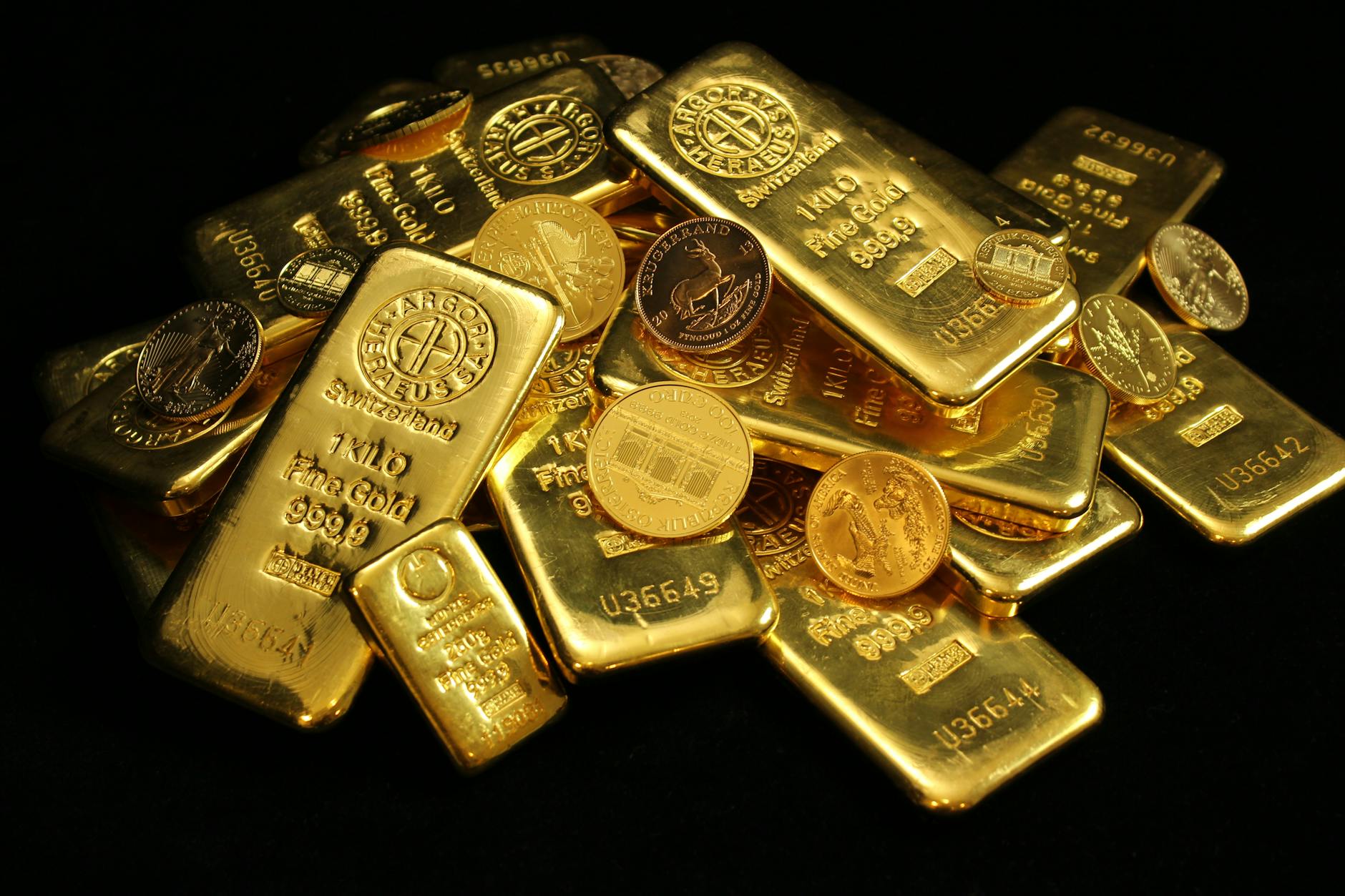
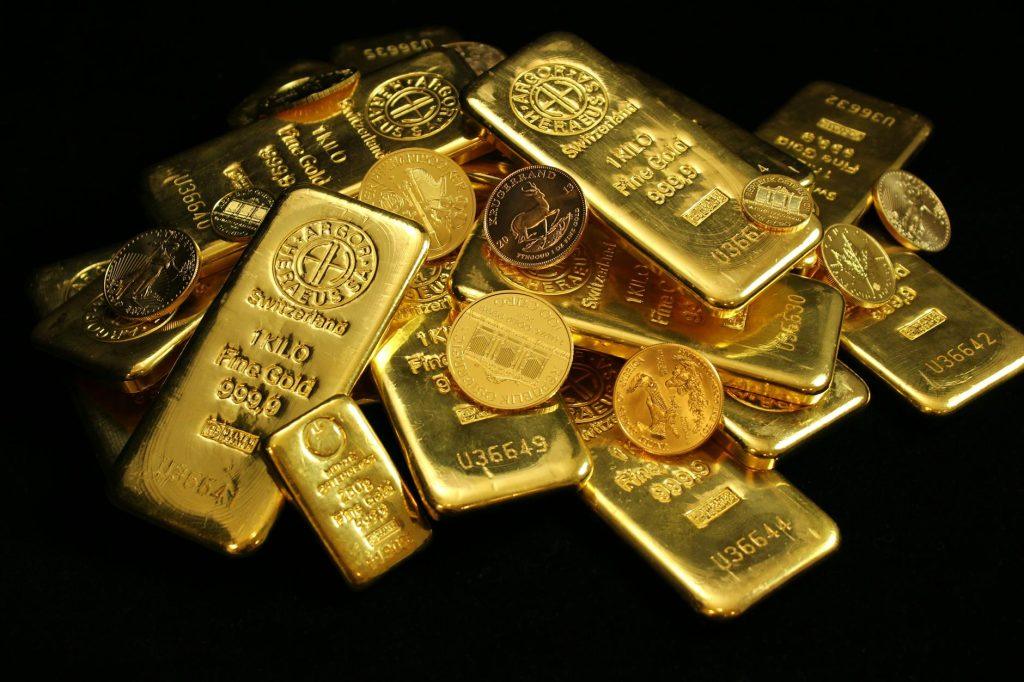
Gold is the default choice for wealth preservation, largely due to its dual role as both an industrial commodity and a monetary relic.
- Store of Value: Gold traditionally performs well during times of geopolitical instability, high inflation, or severe economic uncertainty, often moving inversely to the stock market.
- Liquidity: It is highly liquid globally; a recognized bar or coin can be traded nearly anywhere in the world.
- Investment Forms: Investors typically opt for physical bullion (bars or recognized coins like Maple Leafs or Eagles) rather than paper-backed gold ETFs, to maintain true tangible ownership and eliminate counterparty risk.
Silver: The Industrial Reserve
While less expensive per ounce, silver maintains significant value due to its necessity in modern technology, including solar panels, electronics, and medical devices. Its lower price point also makes smaller entry investments more accessible than gold.
Key Consideration: Unlike stocks, precious metals do not generate income (dividends or interest). Their return is solely realized through price appreciation.
Category 2: Fine Art and Collectibles – The Status Hedge
While the art market can be opaque and subject to taste shifts, historically significant fine art has proven to be an exceptional store of value, benefiting from cultural prestige.
Blue-Chip Art
Investments here focus on established masters (Picasso, Monet, Warhol) whose works are consistently proven in major auction houses.
- Durability of Demand: The buyer pool for blue-chip art is extremely wealthy and relatively insulated from general economic downturns. Bidding wars for masterpieces continue even when the S&P 500 is struggling.
- Negative Correlation: Studies have suggested that blue-chip art can occasionally show a slightly negative correlation with equities, making it an excellent diversifier during bear markets.
Rare Collectibles (Watches and Cars)
Specific segments of the high-end collectible market exhibit traits similar to rare art, driven by scarcity and nostalgia.
1. Investment-Grade Timepieces
Certain Swiss watch brands—notably Patek Philippe, Audemars Piguet, and Rolex—have seen stratospheric appreciation, particularly for references that are discontinued or produced in highly limited quantities.
| Example Model | Why It Holds Value |
|---|---|
| Rolex Daytona (Pre-Owned Stainless Steel) | Iconic status, stopped production of key references, massive global demand. |
| Patek Philippe Nautilus | Extreme scarcity, complex design, considered the “holy grail” by many collectors. |
The value of these watches is often less about telling time and more about holding a piece of engineering history unavailable to the general market.
2. Classic Automobiles
Investment-grade classic cars (e.g., pre-1970s Ferrari, Mercedes-Benz SLs, early Porsche 911s) hold value because their supply is shrinking (due to accidents or deterioration) while demand from aging, wealthy enthusiasts remains high. These assets require active management (storage, maintenance) but can yield substantial returns.
Category 3: Investment-Grade Real Estate and Land
While the stock market focuses on corporate equity, real estate represents ownership of tangible, appreciating physical structures and, crucially, the land beneath them.
Prime Residential Real Estate
In global gateway cities (London, New York, Geneva), top-tier residential property acts as a store of value akin to wealth bunkers. These properties are not investments typically bought for immediate rental yield but for long-term capital preservation against local currency devaluation.
- Inflation-Adjusted Appreciation: While slow moving, prime property often appreciates roughly in line with or slightly above general inflation over decades.
- Hard Asset Backing: The value is anchored to a finite piece of geography that cannot be replicated.
Farmland and Timberland
A less glamorous but exceptionally resilient asset class is agricultural land.
- Essential Utility: Food and wood are required regardless of the economic climate. Farmland provides a consistent, though often modest, income stream (yield) while the underlying asset appreciates due to population growth and finite arable land.
- Inflation Protection: As food prices rise during inflationary periods, the value of the productive agricultural asset rises alongside it.
Category 4: Rare Commodity Exposure – Beyond Paper Futures
While stocks provide exposure to companies, tangible assets offer direct exposure to the physical commodities driving those companies.
Wine and Spirits (The Oenophile’s Portfolio)
Mature, investment-grade Bordeaux, Burgundy, and rare Scotch whiskies have demonstrated exceptional wealth preservation capabilities.
- Controlled Maturation: Unlike physical goods that decay, fine wine and aged spirits often improve with time, increasing their desirability and value as they become legally impossible (or extremely rare) to reproduce.
- Niche Demand: The market is driven by connoisseurs who prioritize rarity over short-term economic fluctuations. A perfect 1945 Romanée-Conti wine is valuable because only a few hundred bottles exist globally, and experts agree on its quality.
Rare Coins and Precious Stamps
Numismatics (coin collecting) and philately (stamp collecting) function on the basis of verifiable provenance and historical context.
- Certifiable Rarity: Highly graded coins (e.g., high-grade US gold coins, ancient Roman currency) that have been independently graded by services like PCGS or NGC are extremely transparent investments.
- Historical Significance: A rare stamp or coin represents a tangible piece of economic or political history, granting it a value beyond its precious metal content or postal utility.
Making the Tangible Investment Decision
Transitioning portions of a portfolio into tangible assets requires a shift in mindset from focusing on quarterly returns to securing multi-decade value.
Key Steps for Success:
- Authenticity and Provenance: For art, wine, or watches, the object’s history (who owned it, where it has been stored) is often as important as its intrinsic quality. Always seek professional authentication.
- Storage and Insurance: Unlike holding a stock certificate, tangible assets require physical safeguards. Secure storage (vaults, climate-controlled facilities) and specialized insurance are mandatory costs.
- Liquidity Trade-Off: Be prepared for lower liquidity. Selling a rare Picasso or an extremely specialized classic car takes time, professional connections, and often incurs high transactional fees (auction house premiums). This is the price paid for stability.
- Diversification Within Tangibles: Do not put all non-stock capital into one asset class. A balanced portfolio might include 40% precious metals, 30% fine art/collectibles, and 30% investment real estate or farmland.
Conclusion
While the stock market remains the engine for growth, tangible investment pieces act as the essential ballast during inevitable economic storms. These assets—gold, blue-chip art, rare timepieces, and prime land—derive their value not from projected corporate earnings, but from inherent scarcity, necessity, and enduring human desire. They demand diligence, patience, and expert authentication, but for investors prioritizing the reliable preservation of capital over speculative gains, these tangible holdings offer a time-tested defense against the erosion of modern wealth.